
Do you want healthier plant growth? Place them in the best direction of sunlight and care for them with your whole heart, and see them bloom!
We often wonder where we went wrong while taking care of our lovely plants, but we fail to notice how easily we have been generalizing their sunlight, water, soil, and fertilizer needs. If you are against this generalization from now on, we are with you. Read this ahead, to know more!
Best Direction to Place Indoor Plants
The Sweetest Spot or the South-Facing Direction
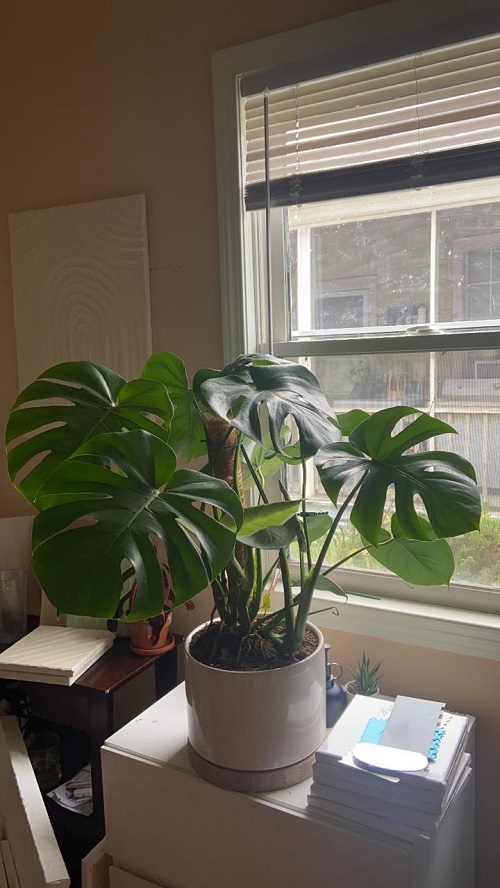
If your goal is maximum growth, south-facing windows are your best friend, or perhaps your plant’s best friend. They receive the most consistent and intense sunlight throughout the day.
This means more energy for photosynthesis, faster growth, and bigger plants with healthier leaves. From succulents to cacti, from Monstera to Prickly Pear, it covers all.
Too much direct sunlight can stress plants, and the growth slows down if leaves start burning. Use sheer curtains or place plants slightly away from direct rays.
The Second Best or the East-Facing Direction
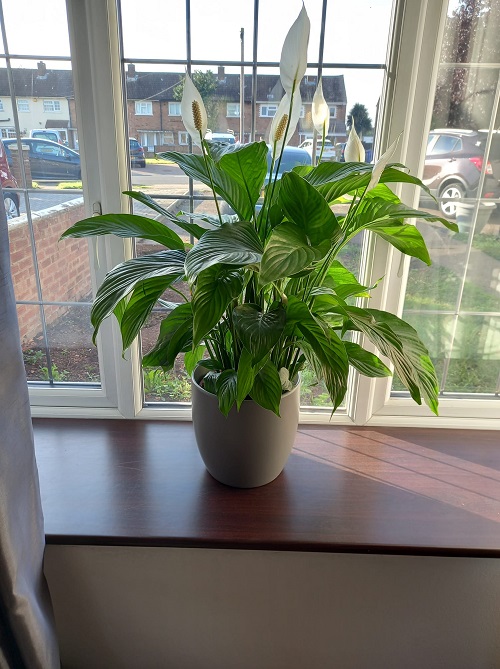
East-facing windows provide gentle morning sunlight, less intense but still highly beneficial. This is perfect if you want steady, healthy growth without the risk of damage. Morning light is softer, allowing plants to absorb energy without stress. Your peace lilies are going to thank you.
The Risky One or the West-Facing Direction
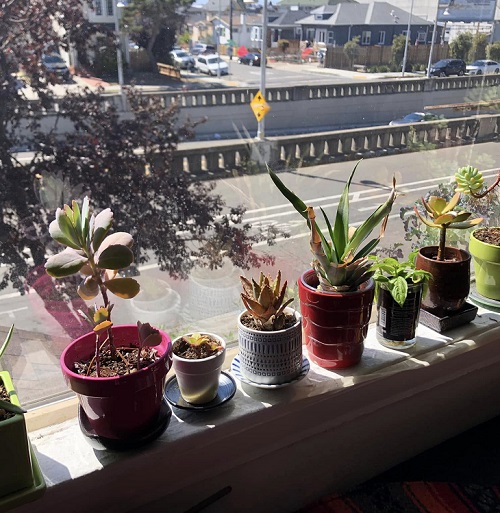
West-facing windows get a lot of strong afternoon sunlight, but it is not very reliable. Some plants will do well here, but most of them will have a hard time due to the heat intensity. So you’ll either have rapid growth or sudden damage.
At first, people get excited about the quick growth, but then they start to worry when the leaves get burnt. If you are using a west-facing light, keep a close eye on your plant for its health and safety.
The Weakest or the North-Facing Direction
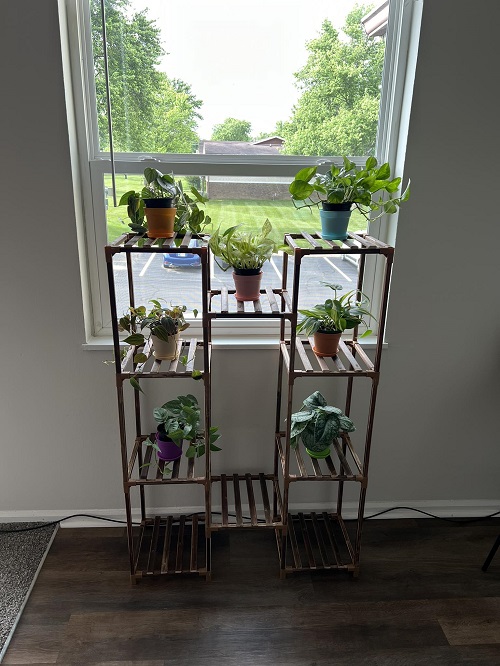
North-facing windows are the least ideal for growth. Plants here may survive, but growth is slow, minimal, or almost invisible. If you observe no new leaves, smaller leaf size, and long gaps between growth cycles, you know what we mean. If you’re serious about growth, this direction alone won’t be enough.
Tip: Move plants closer to brighter windows or supplement with grow lights
Friendly Tips
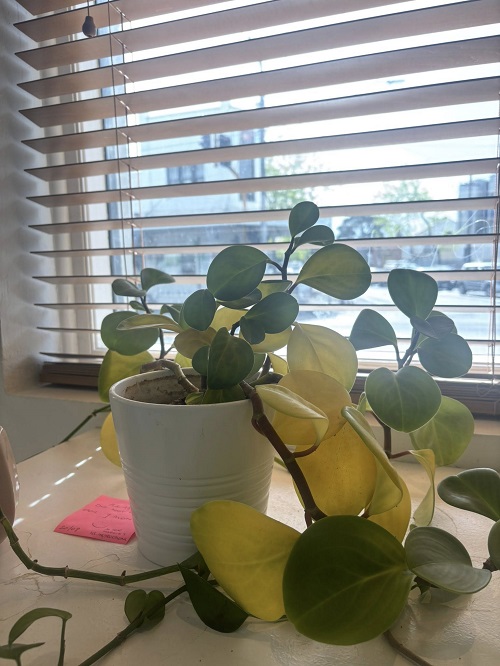
Don’t keep your plants in one fixed spot; light changes with seasons. And listen to your plant’s signals like yellowing, slow growth, or leaning, they are not random, but they’re feedback and what they want.
Maximum growth isn’t complicated but strategic. When you place your plant in the right direction, everything changes, and the plant grows and thrives instead of merely surviving. What place are you picking next? Let us know in the comments below.