
Can burnt soil help snake plants improve their drainage? Perhaps, it is one of the most underrated tricks—read ahead to find out!
Snake plants are popular among everyone. Their resilience and low water requirements make them the stars of any show. But if the soil is poor, lacks airflow, or has bad drainage, we can find our toughest soldier losing the battle. But don’t worry, let’s learn how to help them out by understanding if burnt soil can help.
Improving Drainage with Burnt Soil for Snake Plant
Let’s dissect this entire statement step by step to reach our destination together and figure out if burnt soil is good for our snake plant or not.
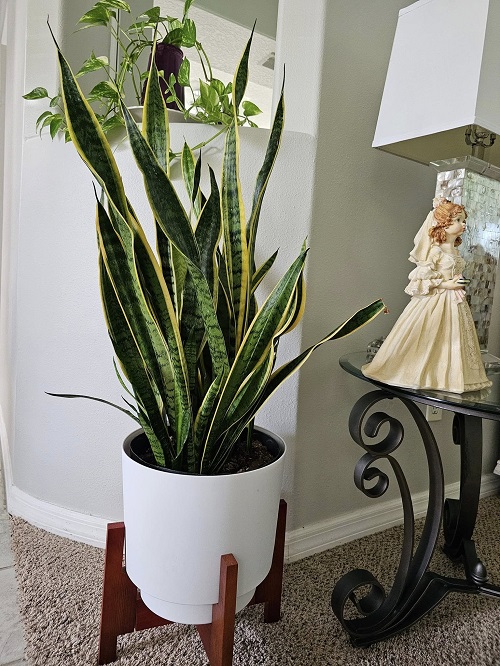
What is Burnt Soil?
Burnt soil simply means that the soil has undergone some kind of heat or thermal exposure, which could be due to fire, sun, or heat sterilization. This soil can affect the organic matter content of the soil as well as the physical structure and microbial population.
However, on the positive side, heat exposure reduces the presence of pathogens and weeds. Additionally, it also changes the particle arrangement and structure, which is further related to drainage and airflow.
Drainage in Snake Plants
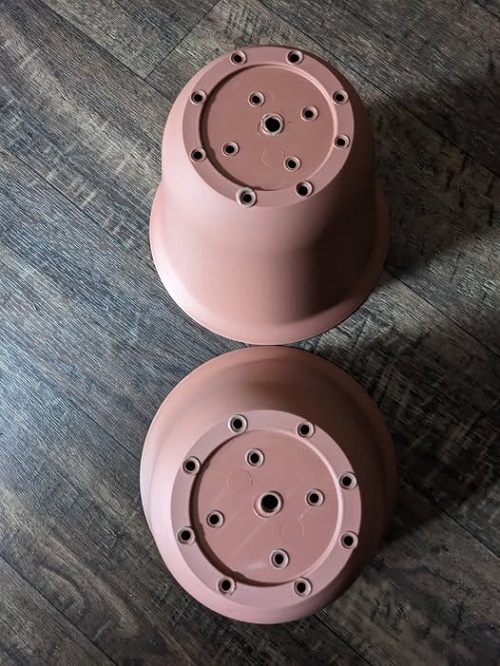
Snake plants love growing in arid and semi-arid environments. This means their roots can tolerate dry conditions rather than prolonged moist and wet soil.
Good drainage ensures that excess water finds its way out of the roots quickly, and the roots have sufficient airflow and oxygen. This keeps root rot away.
Influence of Burnt Soil on Drainage
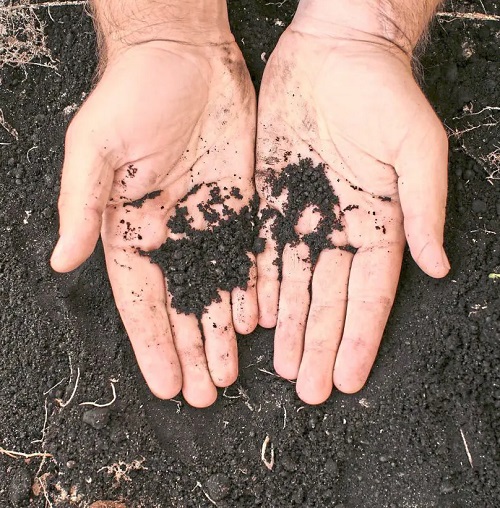
1. Reduction in Fine Organic Matter
Heating burns a portion of the organic content, which reduces excessive water retention. Soils with lower fine organic matter allow water to pass through more freely and easily.
2. Changes in Soil Particles
Moderate heat can cause soil particles to clump together into larger chunks. These help in creating macropores, which improve drainage and airflow.
3. Lowers the tendency of the Soil getting Compact
Burnt soil is often looser and less compact than untreated garden soil, especially if sieved after burning. Lower compaction improves root penetration and water movement.
4. Reduced Microbial Load but only Initially
While this might not serve us long term, reduced microbial activity immediately after burning lowers the risk of fungal pathogens that thrive in moist soils adding an indirect advantage to our snake plants.
5. Prevents Sticky Soil
Raw clay eventually becomes sticky and holds too much water when wet. But burnt soil is porous, which helps absorb water evenly, and additionally, it drains well.
6. Better Airflow
The increased porosity allows for better airflow to plant roots, reducing the risk of root rot.
So what is the Best Practice?
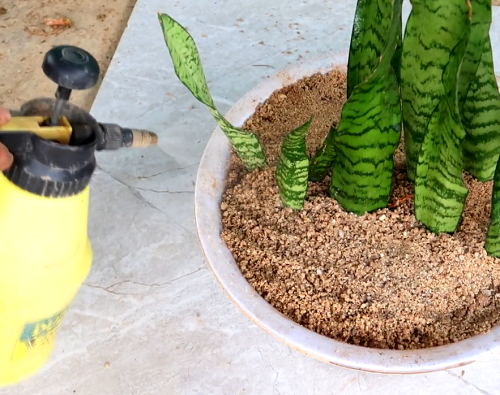
Burnt soil can be used as a structural modifier, but it should not be used alone. Mix burnt soil with regular garden soil in small proportions or combine it with coarse materials like sand or crushed brick. Ensure that the pot has drainage holes and avoid soil that smells excessively smoky or is overly powdery.
Burnt soil can work wonders only when we know how to tap into its strength. And now that you know, do let us know how well it worked for your snake plants in the comments below. Wait, don’t forget to take care of your snake plants and grow them naturally, otherwise.