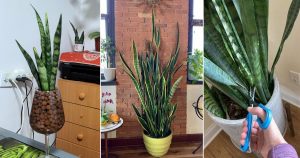

Ever seen people bury pennies in snake plant soil and thought, what’s the story there? This metal trick has a real reason behind it.
If you think buried pennies in the snake plant increase luck, you are wrong; there’s actually a science for this metal. This hack will help your snake plants and help you avoid many problems you might be facing.
Do Pennies Really Help the Gardeners?

This idea started because old pennies (made before 1982) had more copper. Copper is a micronutrient snake plants need in very small amounts. It also fights fungus, bacteria, and some pests. New coins are mostly zinc with only a thin copper layer, so the trick works best with old copper pennies.
So if you have old coins lying around, they may lend a tiny helping hand to your plant. Just don’t expect magic — plants don’t work on wishful thinking, only good care and balance.
Why People are Burying Copper Pennies in Snake Plant Soil
The copper you have at your home is not only used for wires and plumbing. Read the points and see what your copper can do to your snake plants.
1. Fungal Issues
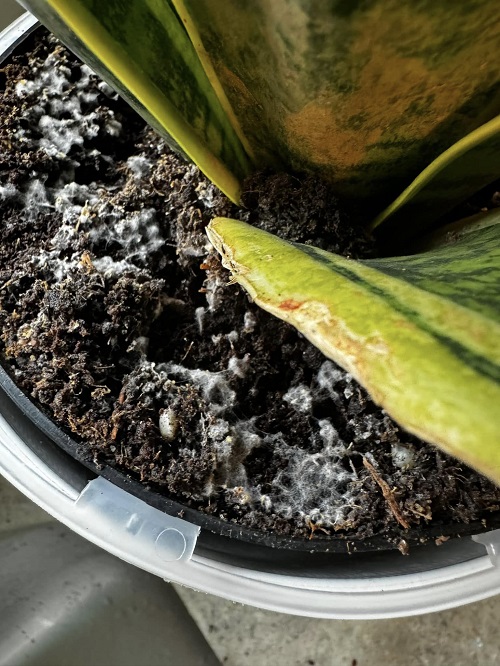
Copper makes it harder for harmful fungi to grow near the roots. This may reduce root rot and mushy stems.
Don’t use pennies in pots that sit in water trays. When coins stay wet too long, zinc can leach out and disturb the soil. This trick works best in pots with drainage and soil that dries between watering.
If you overwatered your snake plant and fear fungus, adding 2–3 old copper pennies near the pot edges may help lower the risk. But it won’t replace trimming rot if it already started.
2. Antibacterial Action
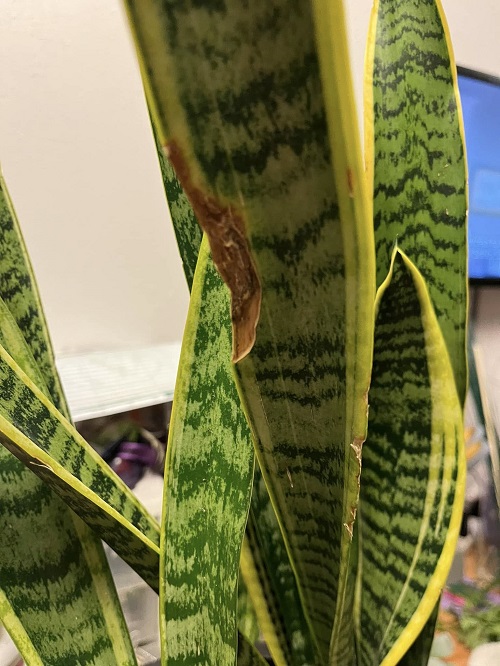
Copper is known for killing harmful bacteria. That’s why many people drink water from copper bottles. In soil, copper may help roots stay less prone to bacterial growth.
Quick tip: If you don’t have old copper coins, a small piece of pure copper wire or copper mesh near the pot edge can work better and safer than new pennies.
3. Repels Slugs and Snails
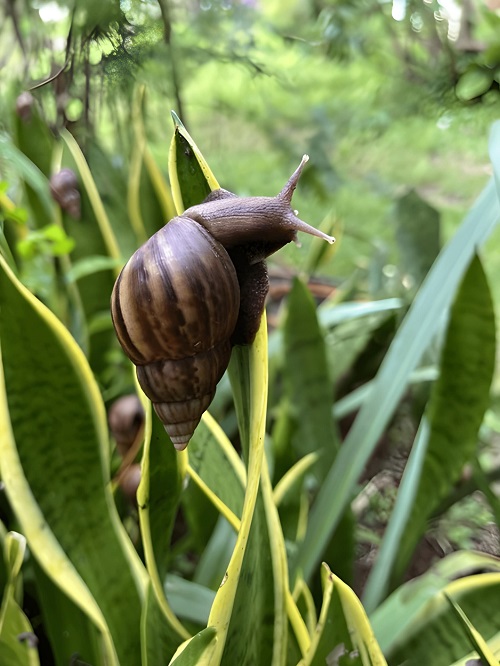
Slugs and snails, when they touch copper, create a mild electric charge that irritates their skin, and that is enough to keep them away and make them hate it. Copper-based pesticides have also been beneficial against slugs. Even metallic copper foil has long been known to impede slug and snail movement. Gardeners often use copper tape or rings to protect plants so that pennies might benefit in potted snake plants.
4. Micronutrient Boost
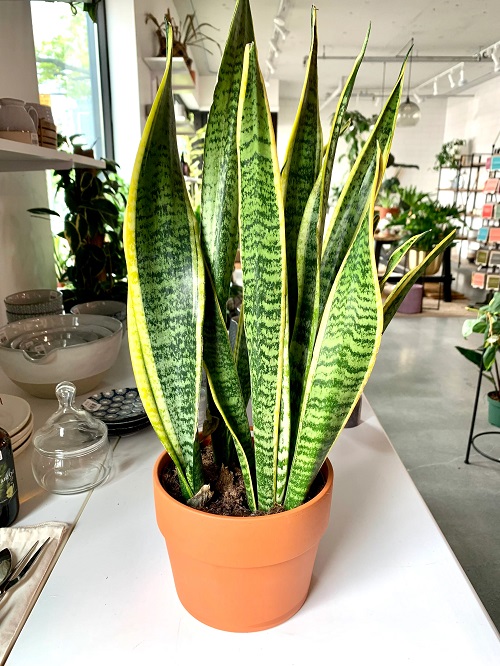
Copper has a vital role in photosynthesis, structural integrity, enzyme activation, and disease resistance. Copper is needed to form lignin in cell walls, which provides structural strength to plants. So, copper pennies in the soil will slowly release copper, giving a nutrient boost to snake plants. It also acts as a cofactor for many enzymes involved in respiration, antioxidant systems, and signal transduction.
Important Note Added: Copper is needed only in micro amounts. Too many coins can create excess metal buildup and stress the roots. Keep it minimal.
Do’s and Don’ts of Burying Pennies Around the Snake Plant
Do’s
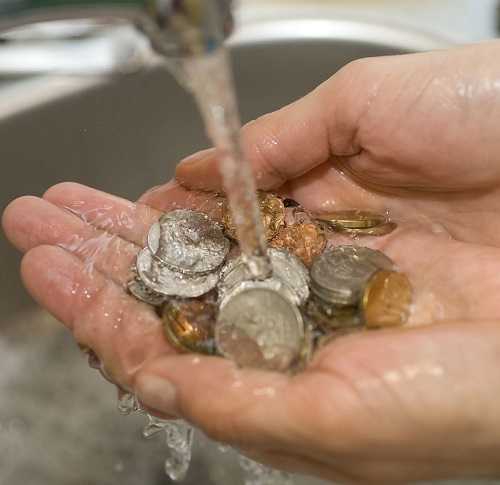
- Clean the pennies with a bit of soap and water to remove dirt and germs. This doesn’t invite the bacteria to the soil.
- Only use old copper pennies as the newer pennies doesn’t have enough copper.
- Bury only 2-3 pennies for a small or medium snake plant.
- Use pennies for a help, not the main treatment.
- Place pennies around the sides of the soil, not directly touching the roots.
Don’ts
- Don’t place pennies near delicate baby roots. Maintain a distance to avoid burning them.
- Don’t rely on pennies to cure root rot. If the snake plant smells bad and has mushy roots, then you need to trim the rot and repot the plant.
- Don’t expect fast results; this trick takes a long time to show any noticeable benefit.
- Don’t skip monitoring. If your plant starts doing worse, take the pennies out.
This is a simple trick and a fun experiment for snake plants. Don’t expect too much from this burying pennies trick. Try out this and tell us in the comments.