

Learn how to fertilize snake plants in winter without damaging the roots, so that you don’t kill your resilient greens.
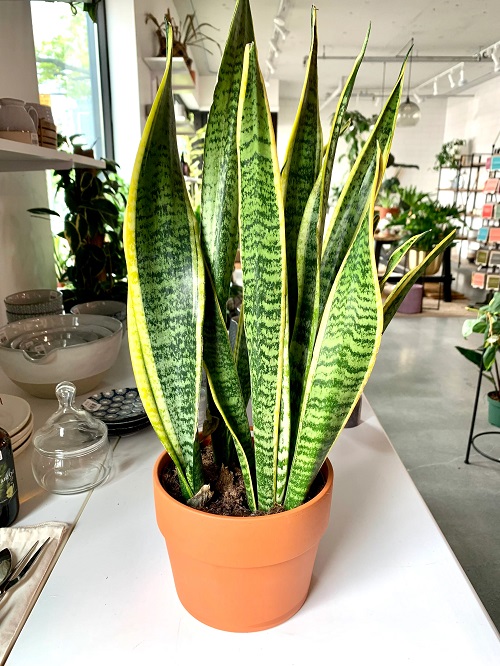
During the cold months, snake plants enter a semi-dormant or low-growth phase. Their metabolic activity slows down, which means they require and use fewer nutrients. Applying fertilizer at this time is risky if not done carefully, because excess salts can build up in the soil and damage the roots.
How to Fertilize Snake Plant in Winter
In winter, the plant is basically “resting,” so its ability to absorb food becomes very slow. That’s why many people notice that even a small amount of strong fertilizer suddenly causes leaf burn or mushy roots. Understanding this natural slowdown helps you adjust your feeding routine safely.
Over-fertilizing in Winter Is Harmful

When roots are less active, they don’t process fertilizers effectively. This leads to a salt buildup in the soil, which can burn the roots. Additional fertilizer can further cause burn, which leads to browning or yellowing of the leaves. Since the plant isn’t growing, roots don’t need nutrients and are more vulnerable to damage or root stress.
Now, some people prefer to skip fertilizing entirely from December to February because the plant won’t use it. Others might reduce the feeding when the plant is dormant. But, just in case, if you need to fertilize, then practice caution.
Also remember, winter issues like cold drafts, overwatering, and poor lighting already stress the plant. Adding unnecessary fertilizer on top of that only increases the chance of rot. This is why winter feeding should always be minimal and thoughtful.
How to Fertilize Carefully

If your indoor conditions are unusually warm, or your plant shows signs of nutrient deficiency, you can consider giving it a light and careful feed.
A good sign that your plant might need mild feeding is when the leaves start losing their deep green color or appear dull even after getting proper light. But always observe for a few days before deciding—sometimes the plant just needs better light, not fertilizer.
1. Use a Very Diluted Fertilizer
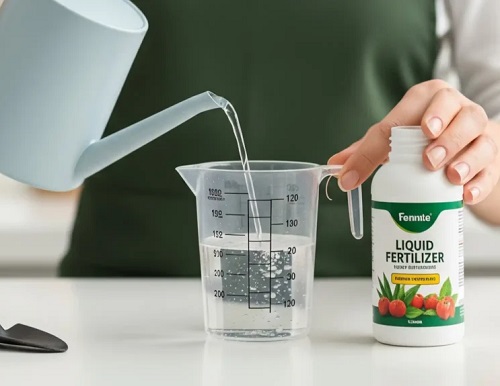
Choose a balanced and water-soluble fertilizer (for example, an NPK like 10-10-10). Dilute it to half strength (or even less) before applying. Avoid getting the fertilizer on the leaves, as this can cause burning or discoloration.
If you prefer a safer option, use an organic liquid fertilizer like seaweed extract or fish emulsion. When diluted properly, these are gentler on roots compared to synthetic fertilizers.
2. Pre-water the soil

Right before feeding, water the plant lightly so the soil is moist. This prepares the roots and helps distribute nutrients evenly, reducing the risk of burning. Avoid applying fertilizer on completely dry soil.
Moist soil acts like a “cushion,” protecting the roots from sudden exposure to concentrated nutrients, which is especially important in cold months.
3. Remove Excess Salts
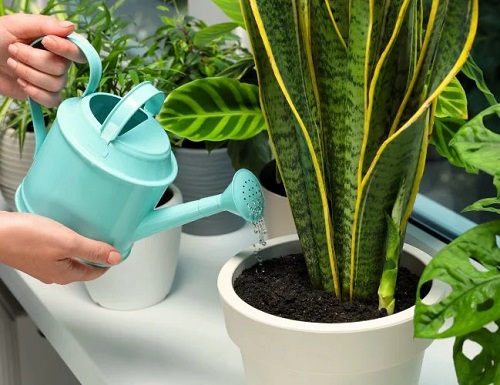
After applying, make sure to pour some extra water through the pot so that any leftover fertilizer salts drain out to prevent salt buildup.
If you haven’t flushed your snake plant’s soil in months, winter is a good time to do it gently. Salt buildup can remain hidden, and flushing refreshes the soil without harming the plant.
4. Limit the Frequency
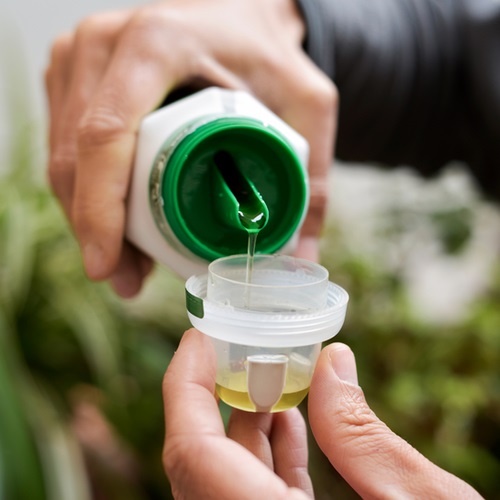
Fertilize lightly, even after diluting, for instance, once every 4–6 weeks during the winter. While reducing fertilization, ensure your care routine remains the same in other aspects like watering, lighting, and temperature.
During winters, the growth of the snake plant slows down, root activity decreases, and applying fertilizer can lead to salt buildup and damage. If there is a need, dilute your fertilizer well and ensure your care routine is not disturbed. Let us know how your snake plants felt after being fed in the winter, in the comments below!