
Your Orchid Cactus is not blooming, and you don’t know what mistake you are making. Just read on, and you will find the one.
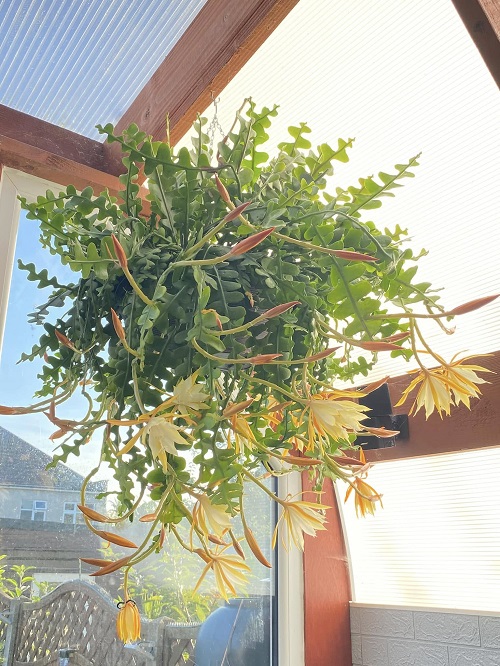
The Disocactus anguliger, Zig-zag or Ric Rac cactus, is a super cool plant with zig-zag shaped leaves. They can grow beautiful pink or white flowers, but only if good care is taken of them. People make some minor mistakes that stop it from blooming. Check on your fishbone cactus to see if it is not blooming.
Mistakes that Stop Fishbone Cactus from Blooming
1. Light Imbalance
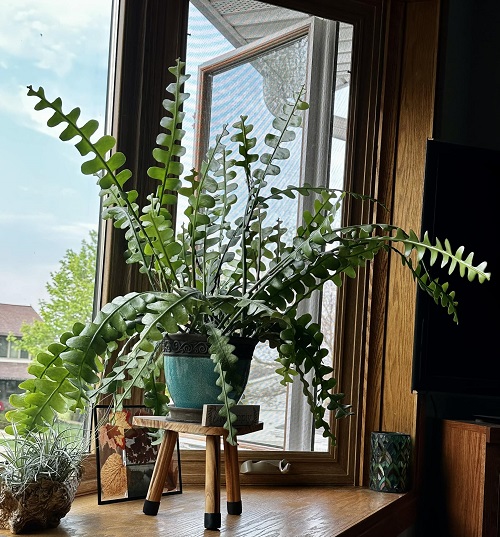
Fishbone cactus loves bright light, but not direct, harsh sunrays. It has grown under forest canopies, so it is adapted to indirect sunlight. If it gets very little light, it becomes lazy and won’t make flowers. So, how do we check if they are getting the appropriate light?
If you notice stretched, flat, and pale stems, then that’s the sign of low light. Keep them near an east- or north-facing window with filtered light. If the indoor light is weak, use a full-spectrum grow light.
2. Watering Issues
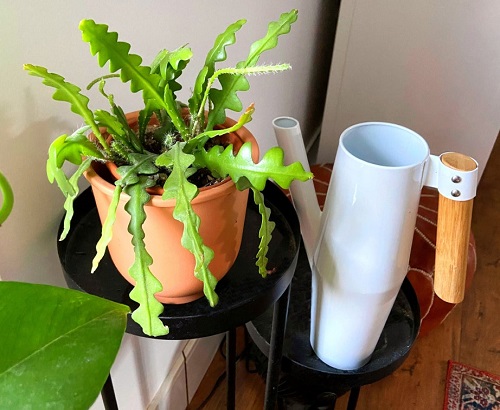
They are not like your regular cactus; they enjoy consistent moisture, but their roots should not stay webbed. This plant stores water in its leaves, so giving it too much water causes root rot, and thus the plant cannot bloom. Water them when the top inches of soil feel dry and use a pot with proper drainage holes.
Also, reduce watering slightly during late fall and winter. This gentle dryness helps signal the plant that it’s time to prepare for blooming.
3. Improper Soil Mix

This is an epiphytic cactus, and in the wild, they are grown on tree bark, so their roots breathe in air and moisture alternately. Thick, sticky soil keeps too much water and makes the plant unhappy. Use the soil recipe mix, which consists of garden soil, sand, and coco peat.
You can also use a self-made mix like orchid bark, perlite, peat, or coco peat with some cactus mix. This balances moisture and drainage.
4. No Feeding

Just like you need healthy food, plants also need proper feeding. If your fishbone cactus does not get nutrients, it doesn’t flower, as it needs phosphorus for blooming. To solve this problem, use a water-soluble fertilizer low in nitrogen and high in phosphorus and potassium.
Feed them every 4–6 weeks during spring and summer and stop feeding before the rest phase.
5. Inappropriate place
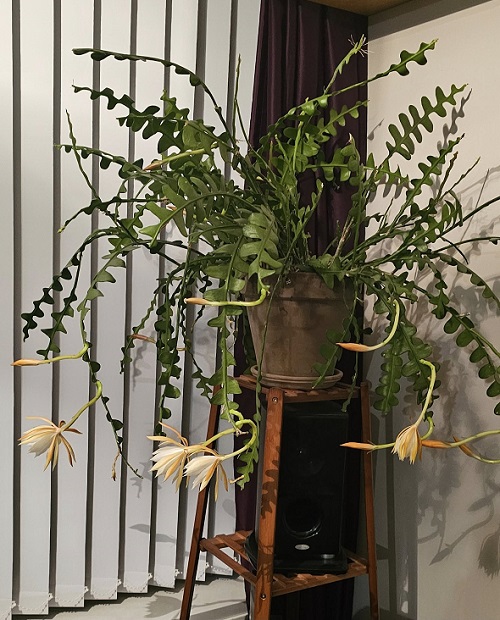
Night Drop! They bloom when the nights feel cold in winter. A slight drop in temperature encourages bud formation. So, make sure that your plant is ready weeks before the blooming season. Keep them at a temperature of 12–15°C, especially at night.
Please don’t keep it in frost. If the plant stays warm all the time, it won’t get the signal to make buds.
6. Incorrect Repotting Time
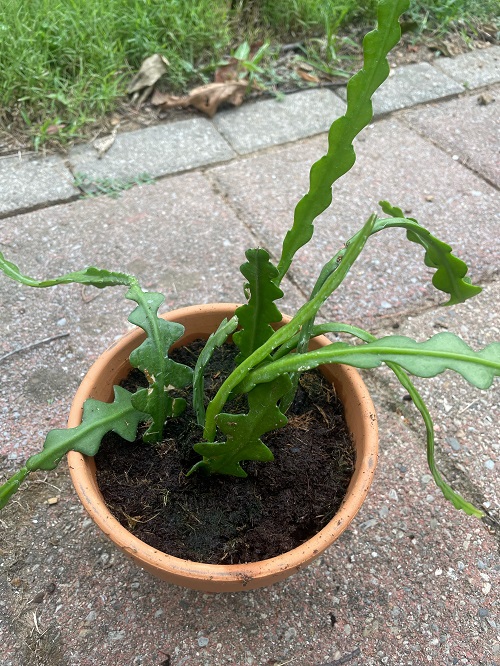
Usually, refreshing the soil ensures good airflow and improves root health, but if you just give it a new home before the blooming season, the plant will get stressed and stop making flowers. Repot them every 2-3 years in a fresh, well-draining mix, but in spring or summer.
7. Shifting Places
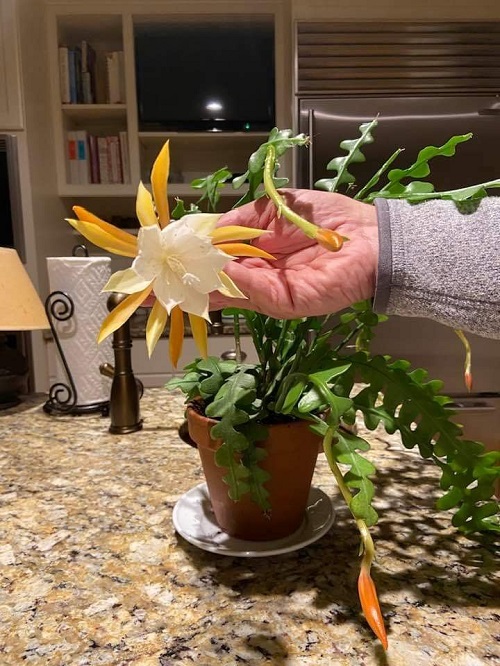
No shifting of the pot to a new spot! Sometimes buds fall off because of the pot’s rotation and shifting. The fishbone cactus has sensitive buds, so when you see tiny buds, keep the plant in the same direction and same place until it flowers fully.
8. Low Humidity
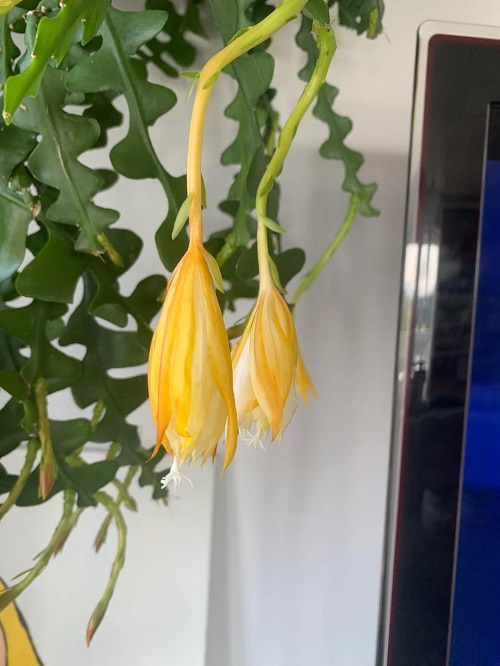
Fishbone cactus enjoys higher humidity because it comes from tropical forests. Dry indoor air, especially during winters, can delay blooming or cause buds to drop.
Mist the plant occasionally, place it near a humidifier, or keep a pebble tray nearby to improve humidity levels.
9. Skipping the Rest Period
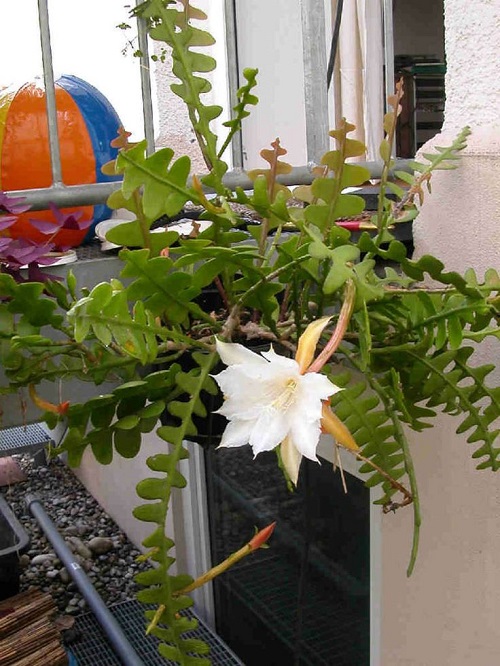
This cactus needs a short rest period to bloom well. During late fall and early winter, reduce watering, stop fertilizing, and keep it slightly cooler.
Without this rest phase, the plant focuses only on growth and skips flowering.
They are easy-going plants that need little care and attention, and they bloom best in cool winter weather. If you win over these mistakes, your zig-zag cactus will reward you with beautiful flowers. Don’t they look magical? Do tell us in the comments.