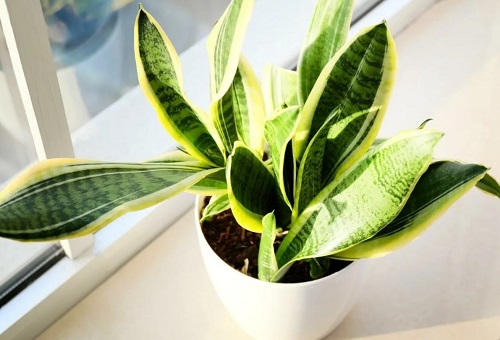

Bored with your basic Sansevieria and need to experiment with its look? Here are some tips and tricks to help them grow to a bigger size.
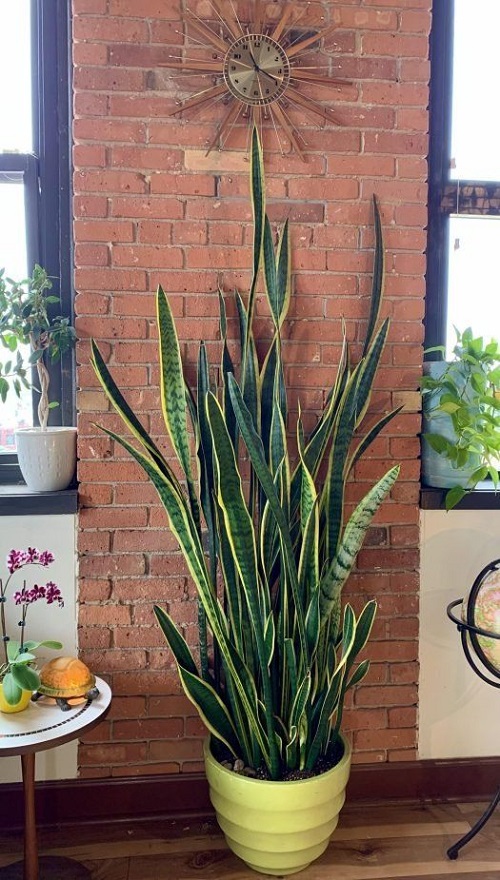
When you see a lush, bushy snake plant and wonder why yours is growing so slowly, don’t worry—you’re not alone. The good news? A few small changes can turn things around. Let’s help your plant grow tall, strong, and steal the spotlight at home.
Snake Plant Information
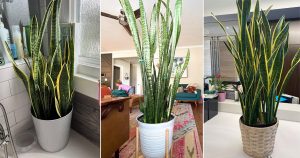
Snake Plants are considered semi-succulents, which thrive in varying light conditions. They are beginner-friendly and also recommended to those with a green thumb. More than just a plant, they are certified as a top air-purifying plant (NASA).
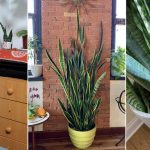
There are more than 70 varieties of Snake Plant, from short to tall, with round to flat leaves and variegated foliage with dark green, silver, light green, yellow, or white. They are the toughest plants, whether placed indoors or outdoors. Let’s find out what you have been doing wrong!
How To Grow an XL Snake Plant
1. Smart Selection
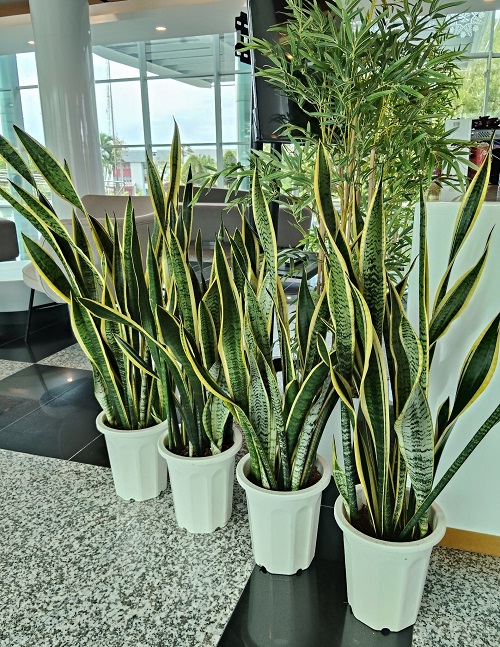
A well-chosen plant is the first step to achieving what you have been dreaming of. For faster growth, choose a tall variety that grows quickly, such as Ansevieria trifasciata (Snake Plant), Sansevieria Coppertone Kirkii (which produces many pups), or the upright Laurentii.
Starting with a healthy nursery plant with strong roots can speed up growth significantly.
2. Staging
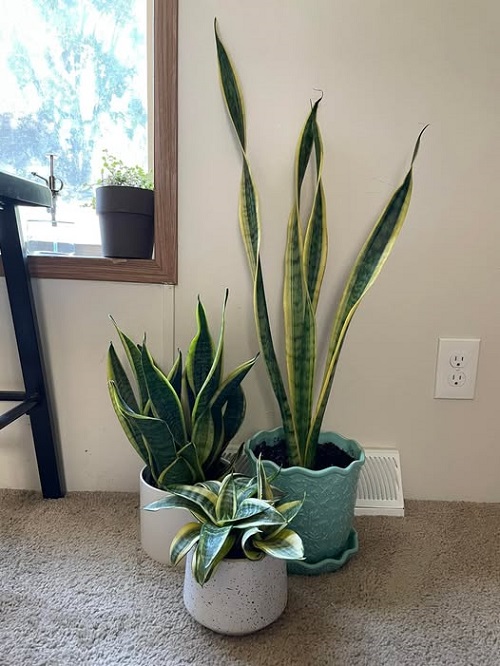
Choosing the right pot may not sound that essential, but let me tell you, starting on the right foot is what you need. Using a terracotta or ceramic pot is a better option than growing your Snake plant in a plastic container.
And a little secret between you and me, the smaller the pot, the faster the growth. But make sure the roots are not tightly overcrowded, as extreme root-bound conditions can slow growth.
3. Soil to Clay
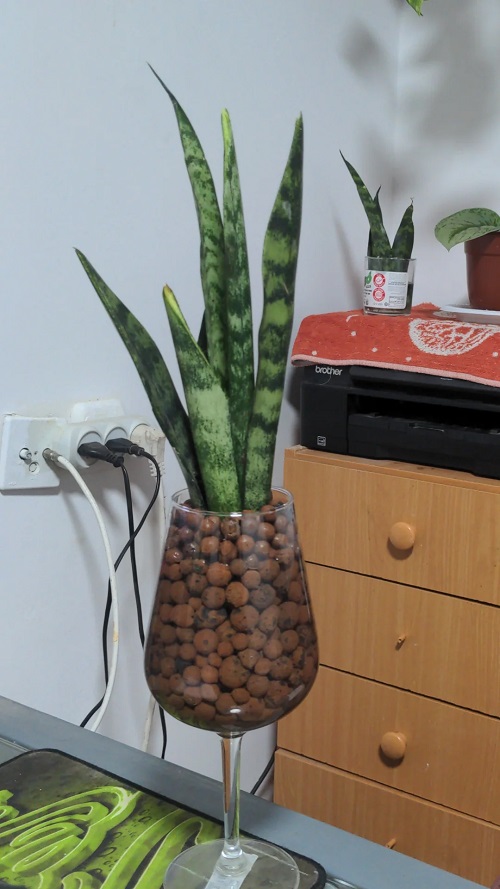
Try LECA (clay balls) if you want to experiment. Place your plant in LECA and keep water at the base—no soil needed.
But remember, LECA gives water, not nutrients. Add hydroponic fertilizer regularly to keep your plant happy.
4. Less is More
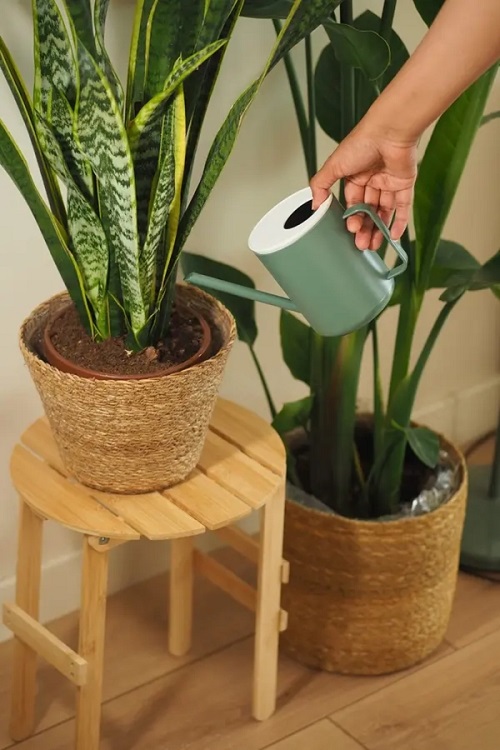
Snake Plants hate wet feet. Overwatering them, especially in the crown area, can cause root rot, yellowing and brown spots on the leaves. And we don’t want that to happen. Do we? Watering them when the soil is completely dry will help them thrive.
5. Placement
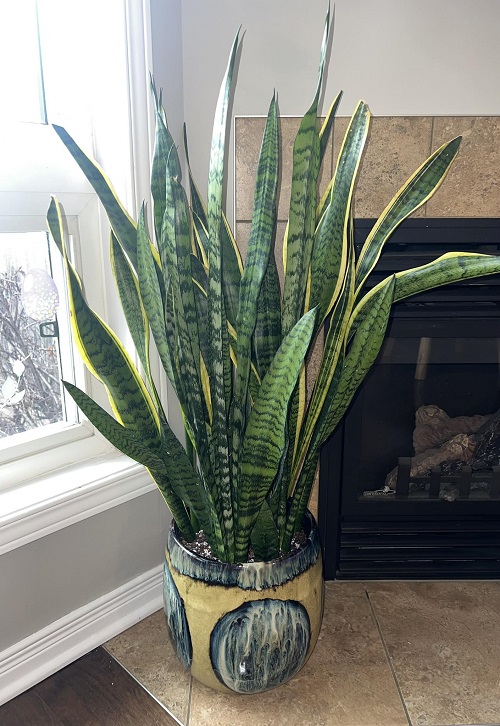
Snake plants don’t do well at temperatures below 10°C (50°F). Keeping them in a cold, drafty window or near a door might prevent them from growing to the fullest. Maintaining the temperature is the key to a happy and fuller plant.
They grow best in temperatures between 18–30°C, which supports faster leaf development.
6. Light
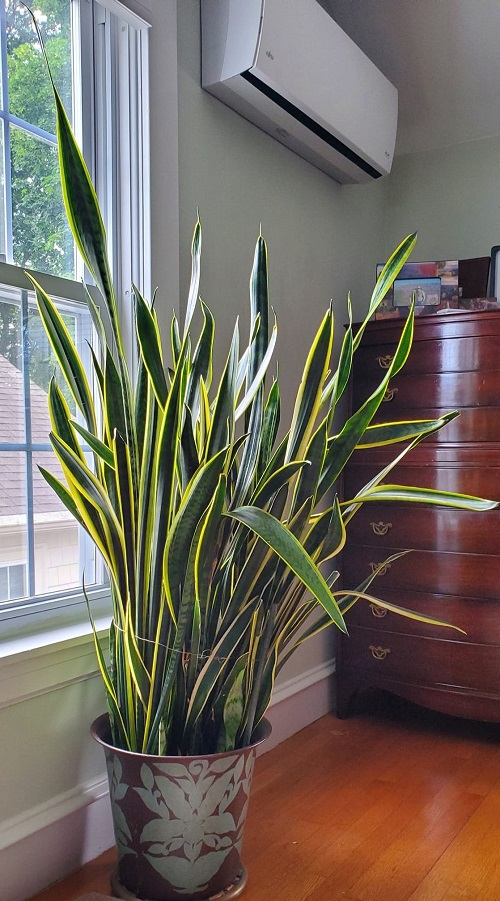
Snake plants are not big fans of direct sunlight; they grow best in bright indirect light. But they do need sufficient light to grow new leaves. So, keep this in mind while placing your plant: not too much, not too little, just the right amount of light.
A quick tip, try keeping it near an east or west-facing window, and thank us later!
7. Plant Feed
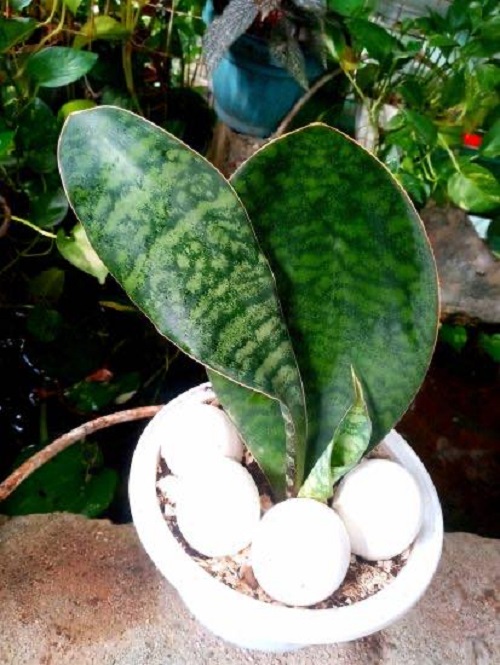
Ever thought about what you can do with those eggshells and banana peels you are throwing away? They can be a growth booster for your little friend sitting right in your living room. The best food for your Snake plant comes from your kitchen.
8. Propagation
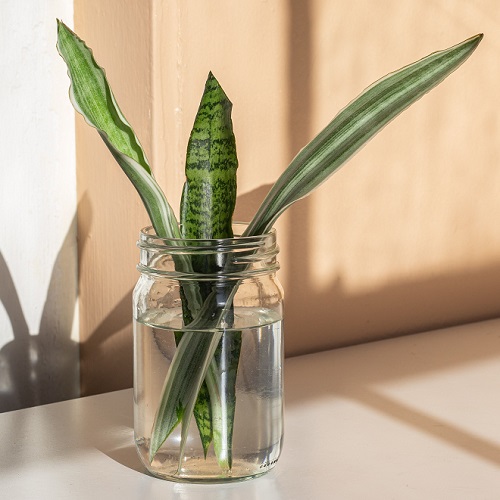
From one to many is just the right solution you are looking for to grow your Snake Plant to an extra-large size. To make it look richer, try propagating by leaf cuttings or division.
Now, wait and watch your plant grow into a large cluster!
Division is the fastest method if you want instant fullness in your pot.
9. Pruning
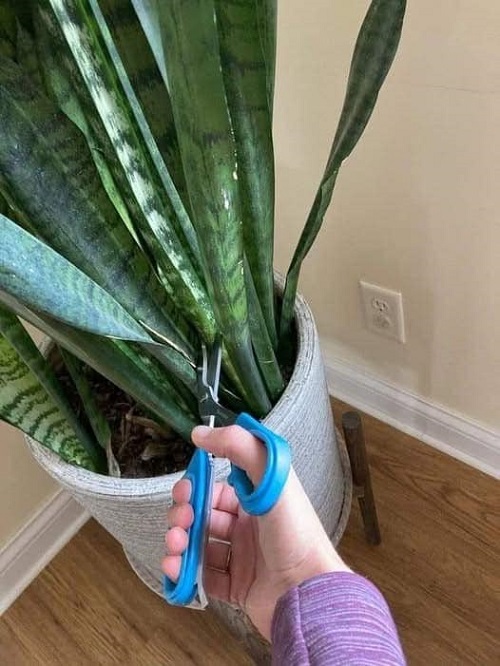
Getting rid of those brown, dying, or damaged leaves helps avoid blockage in the growth of your Snake plant. Pruning the leaves whenever required will definitely encourage the growth of your plant and make it lush and bushier.
10. Leaf Care
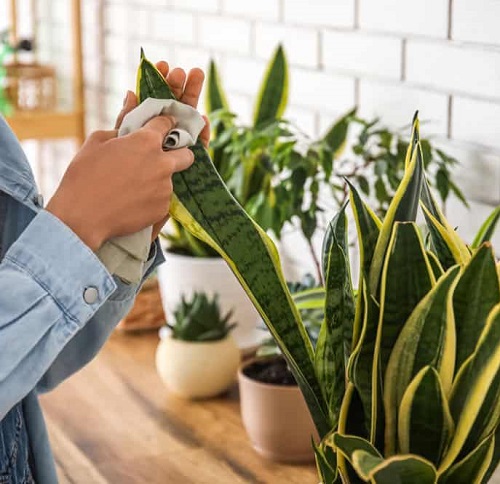
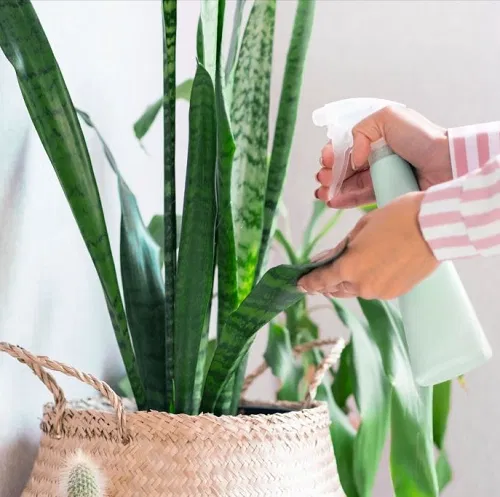
Give your Snake plant leaves a gentle wipe with a damp cloth, or spray them with water and wipe them off. This will help your baby breathe and stay healthy. Remember, this is as important as doing skin care for yourself!
11. A Gentle Spin
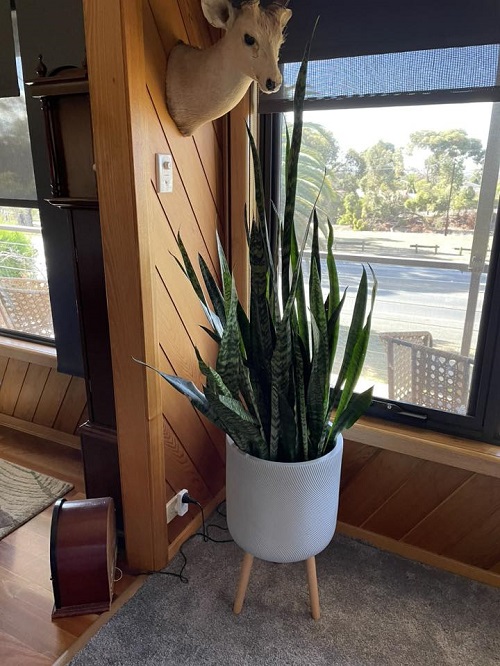
Well, well, it’s the coolest yet the simplest trick to let your plant grow that extra. Rotating your pot not more than once a week will do the magic and ensure equal growth.
Caution: Avoid rotating it to 180°.Start with rotating 45° to 60°
12. Caffeine
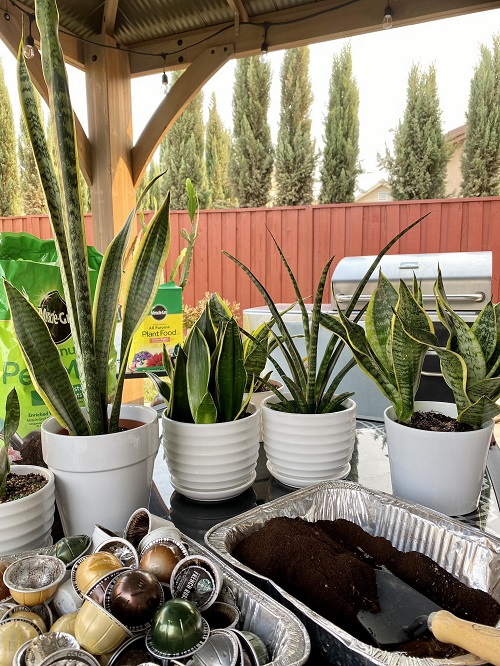
Using coffee grounds in the pot once in a while is another magic trick up your sleeve. Coffee grounds help them grow by providing nitrogen and improving soil texture.
Coffee grounds retain moisture, so make sure the pot has excellent drainage to avoid root rot!
Always use dried coffee grounds in small amounts to avoid mold or fungal issues.
13. Cinnamon To The Rescue
More than just a flavor, cinnamon is a great help for your Snake plant. This spice from your kitchen keeps those tiny ants away and also protects the plant from fungal issues.
Just sprinkle cinnamon powder on the soil, or mix it with water and spray it onto the affected leaves.
14. Styling
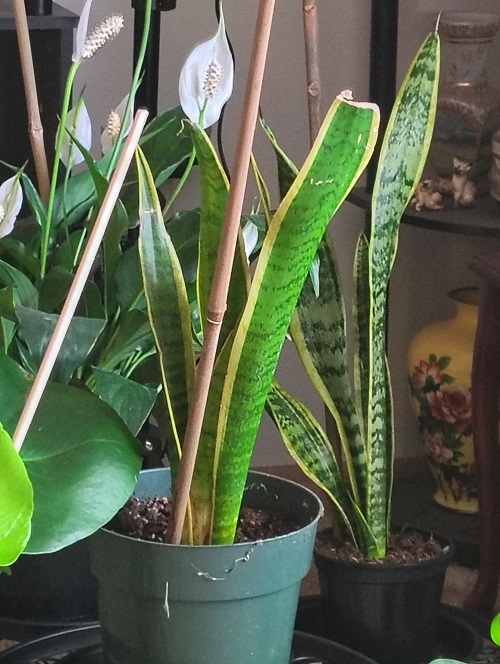
Gently tying up the leaves with soft materials like twine or velcro that won’t damage them can be a temporary solution to support your Snake plant. It is often combined with a bamboo stake to help straighten the drooping leaves.
15. Mix And Match
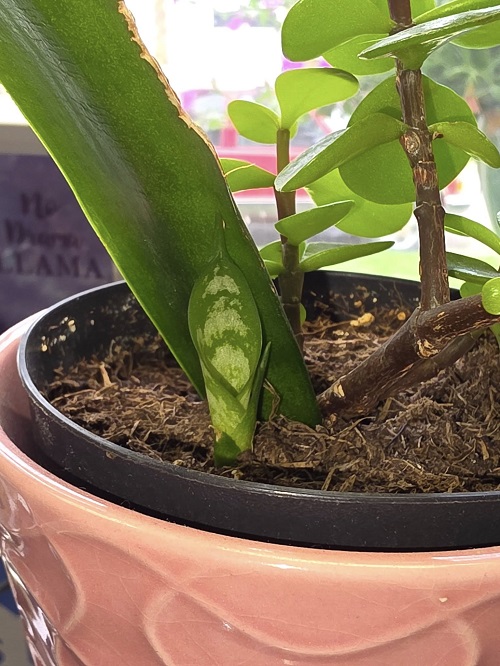
This can be something worth trying. Try planting the small pups of your Snake plant with other plants to give them a boost in growing. Also, it can become your signature gardening style that everyone talks about!
Make sure companion plants have similar watering needs to avoid overwatering issues.
Snake plants are the easiest to grow, and with all the tips and tricks, voila! Your baby will thrive in no time. You can try these for yourself and let us know in the comments which one you found the most effective.