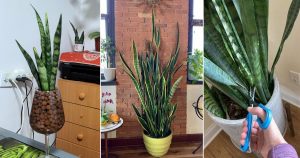

Combine practicality with aesthetics! Why display your snake plant as a showpiece, learn how to grow it as an indoor hedge too!
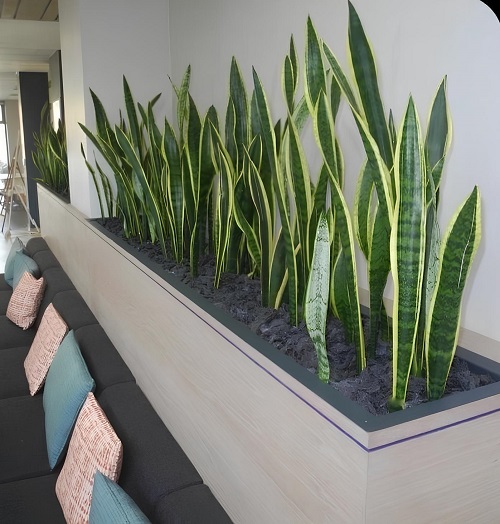
Snake plants naturally grow tall, with upright, sword-like leaves that make them perfect for indoor hedges. But sometimes, they don’t reach the height needed for privacy or room division. Don’t worry—we’ve got you covered. Let’s break it down in the simplest way.
What is the Normal Height and Growth Pace of Snake Plants
Snake plants are succulents, and like most succulents, they grow at a slow to moderate pace. Even in ideal conditions, they usually grow only a few inches per month.
They can survive low light, but here’s the catch—low light slows growth and weakens the leaves, making them more prone to damage.
Height also depends on the variety. Common types like Dracaena trifasciata ‘Laurentii’ and ‘Zeylanica’ typically grow up to 2–3 feet.
The good news? With the right care, you can push them a bit further and make them hedge-worthy.
Secrets to Growing Snake Plants as a Tall Indoor Hedge
1. Choosing the Right Variety
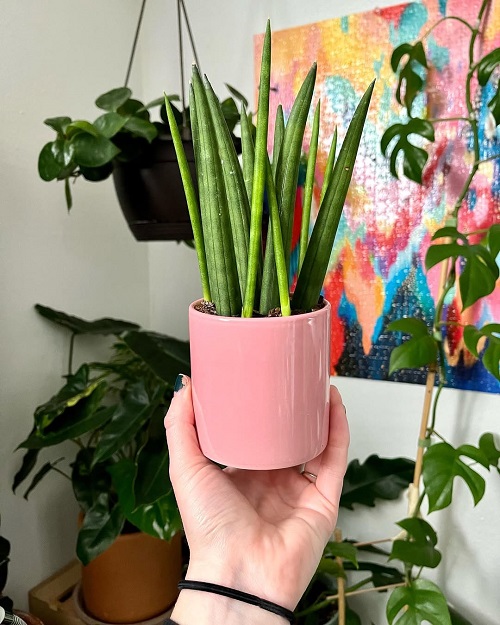
Using these hacks will only get you so far. You will need a variety that already grows tall naturally in the first place. Some of the top varieties that will stand out due to their colossal height are Dracaena Bacularis, Dracaena Stuckyi. With an already tall foundation, the additional tips will be able to add a few more inches, making it perfect as a room divider.
2. Provide Smart and Optimal Lighting
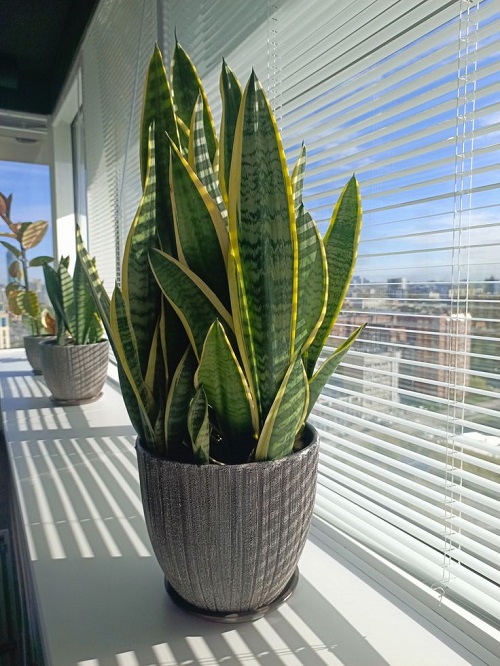
We all know snake plants can survive in low light, but they will not reach their maximum height potential. For them to thrive, you will need bright indirect sunlight. For this, place them on a south or west-facing window. You can even extend light hours by using LED grow lamps.
3. Use Phototropism to Your Advantage
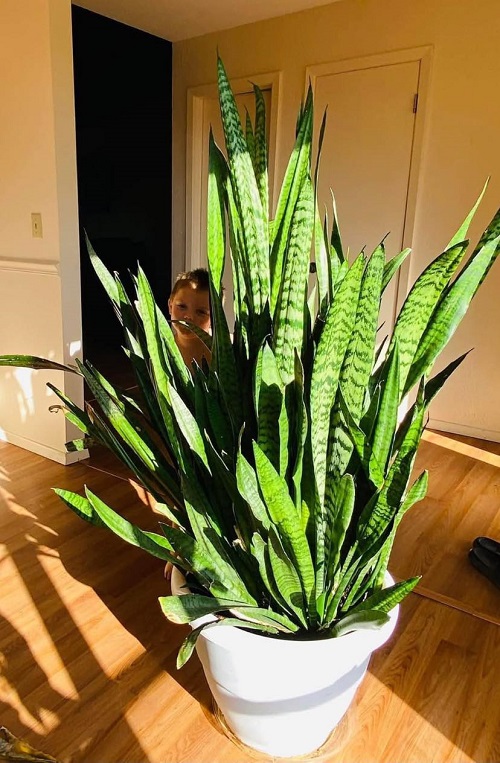
Another way you can force the plant to elongate is by capitalizing on phototropism. Snake plants tend to bend or manipulate their form to reach the source of light. So if you ensure that the plant receives light from a higher angle (preferably from right on top), the plant will extend to reach and subsequently become taller!
4. Water in the Right Manner
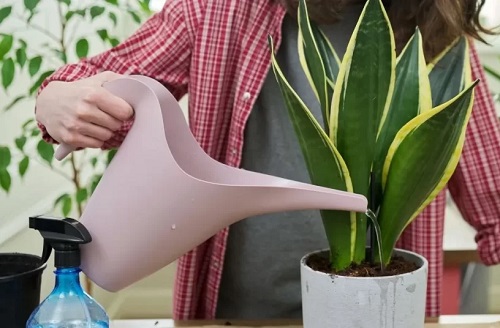
Underwatering and overwatering are two of the biggest problems that keep a snake plant short and stout. Keeping the soil soggy will lead to issues such as root rot, while underwatering the plant will hinder appropriate nutrient absorption.
The rule of thumb for the best snake plant watering routine is to irrigate the substrate deeply when the first 2 inches feel dry. In most cases, this cycle should be repeated once every 10 days.
5. Fertilize for Height

Sometimes the nutrients in the potting mix get depleted over time. Here’s where fertilizers come to the rescue. Use a liquid fertilizer of the NPK ratio 3:1:2 diluted to 1/4 its strength every 10-14 days in the growing season. If you can’t get your hands on the ideal NPK ratio, using a balanced liquid fertilizer is the next best option!
Note: Do not use it extensively or in the dormant season, as this can lead to salt buildup in the substrate.
6. Hedge-Appropriate Containers
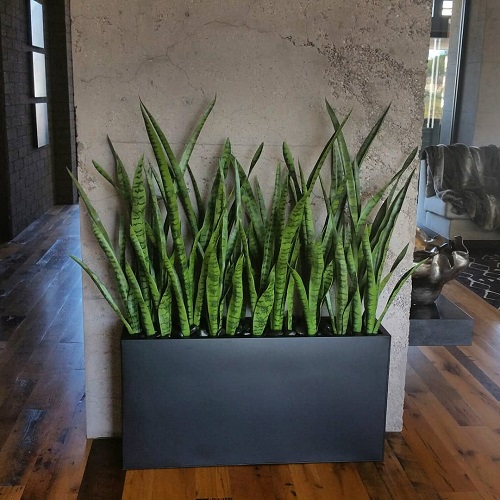
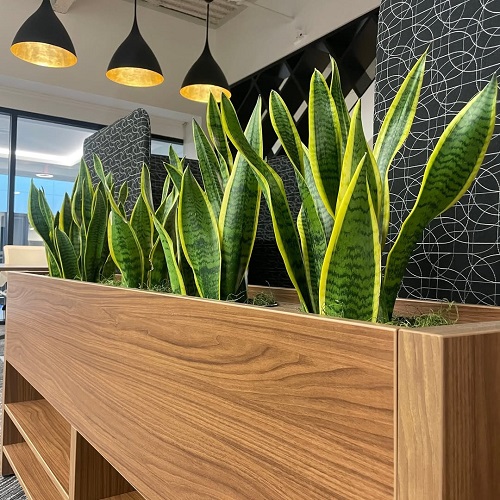
Since a hedge is usually long and dense, the shape and size of the container also matter. To build an accurate hedge, try getting wide but somewhat narrow containers in which the snake plants naturally form a privacy wall.
Pro Tip: Keep the pots on wheeled bases for easy relocation.
7. Dense Planting for Lush Wall
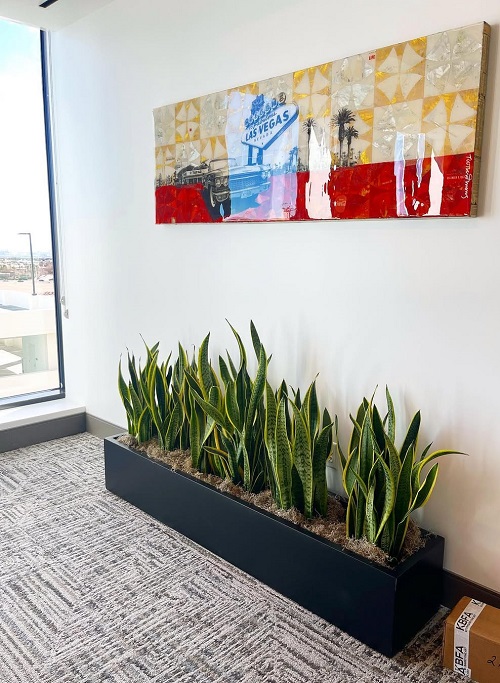
If you can see through a hedge, then what is the point? Therefore, make sure that you grow enough snake plants alongside each other to create a lush appearance. This adds to the privacy and clear distinction in the sections of your room.
8. Pick and Prune
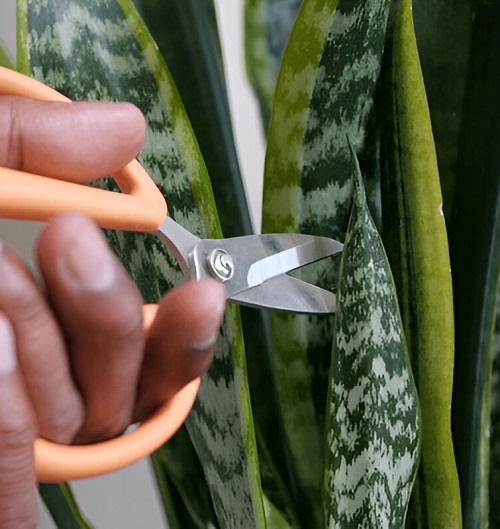
Since our goal is to achieve maximum height, prune only damaged, flimsy, or dying leaves. Try doing so from the base itself. Leave the stiff and tall foliage undisturbed to form the hedge. You will have to smartly decide which pups shall be allowed to grow to fill in the gaps of your botanical room divider.
9. Patience is Key
Patience is a virtue that you must have. Although all these tricks will bring about a noticeable change in the height of your plant, it is a relatively slow process. Stay consistent with the methods/routine, and you will reap the fruits of your labor!
Now that you know how to create a tall indoor hedge using snake plants, consider exploring other plants that also make good room dividers or privacy screens. Let us know which ones you prefer the most in the comment section!