
Learn the right growing requirements of Stapelia Gigantea and unlearn the mistakes you have been doing until now while taking care of it.
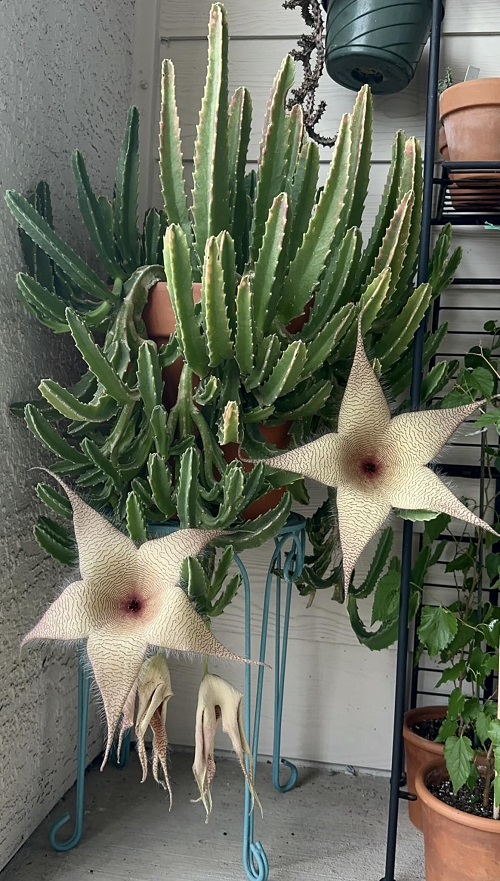
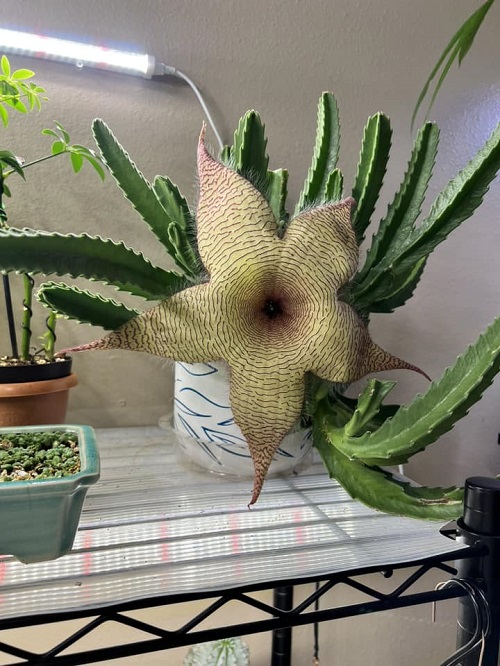
Stapelia gigantea, or the infamous giant starfish flower, is one of the most fascinating succulents you can grow. Famous for its enormous, unique star-shaped flowers and unusual appearance, this plant becomes a favorite of everyone. Native to southern Africa, Stapelia gigantea loves warm, dry conditions and is remarkably easy to care for, but it requires you to understand its needs fully.
Growing the Giant Starfish Flower Plant
Understanding Stapelia gigantea
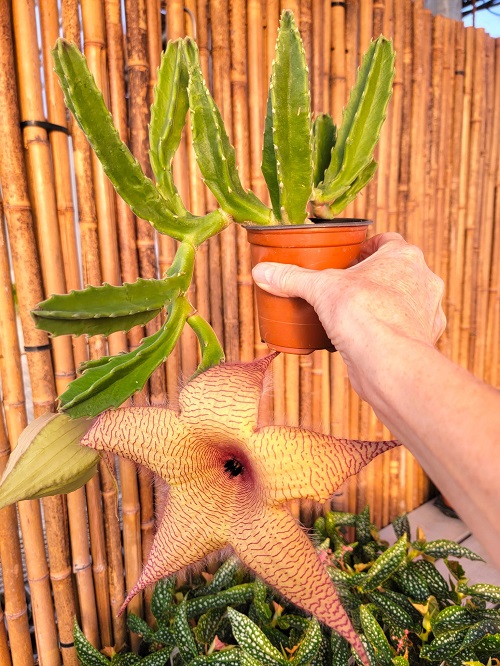
Stapelia gigantea belongs to the Apocynaceae family and is leafless with upright stems. Its most adorable feature is its massive flower, which can reach up to 12 inches. While beautiful, the flower emits a strong odor resembling rotting meat, this is an adaptation to attract flies for pollination. But wait, it is completely harmless.
One more thing to know — this plant usually blooms when it is slightly root-bound and mature. Young plants may take a couple of years before producing their first flower, so patience is key here.
Light
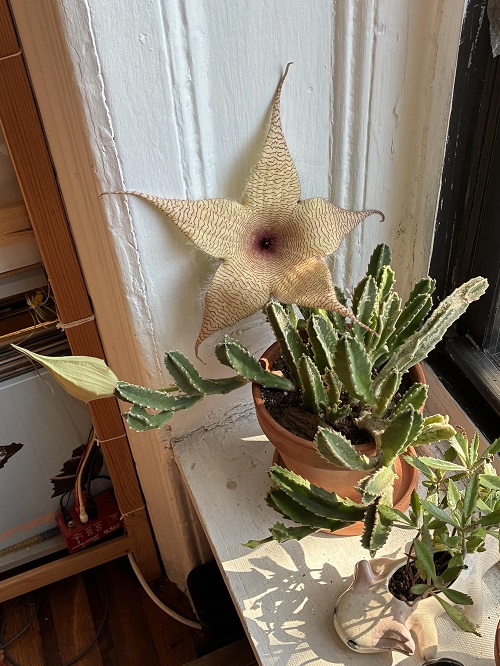
This plant prefers bright, indirect sunlight. While it can tolerate some direct morning sun, but harsh afternoon sunlight can scorch its stems. If grown indoors, place it near a south or east-facing window. For outdoors, partial shade works the best. Too little light can lead to weak, elongated growth and fewer flowers.
Soil and Potting
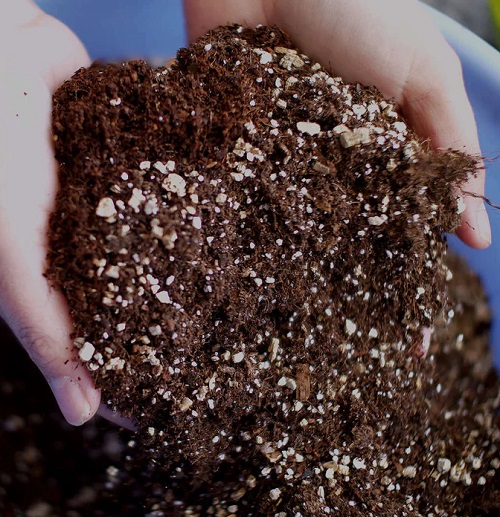
Well-draining soil is crucial for Stapelia gigantea like every cacti or succulent. Use a cactus or succulent mix, or create your own by combining garden soil, coarse sand, and perlite for extra drainage. But avoid heavy, moisture-retaining soils, as they can cause root rot. Choose a pot with drainage holes to allow excess water to escape easily.
Terracotta pots work especially well because they allow extra moisture to evaporate faster, which reduces the risk of root rot.
Watering Schedule
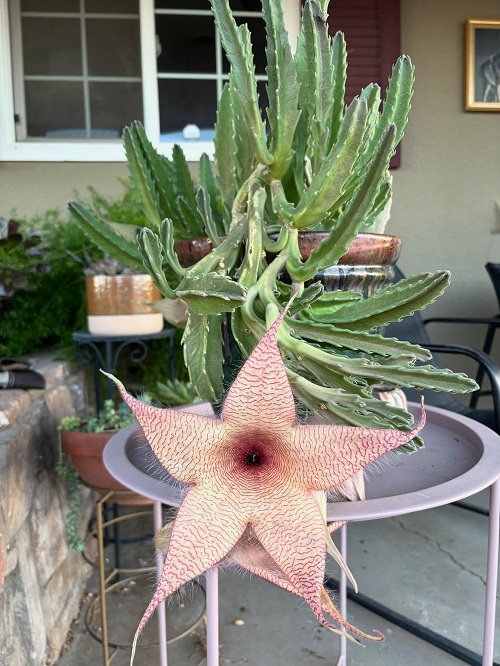
Like most succulents, Stapelia gigantea prefers deep but infrequent watering. Water only when the soil is completely dry. During the growing season (spring and summer), watering every 10–14 days is totally acceptable.
In winter, reduce watering significantly, as the plant enters a dormant phase. Overwatering is the most common mistake and can quickly kill the plant.
Temperature and Humidity
Stapelia Gigantea loves warm temperatures. It is not frost-tolerant and should be protected from temperatures below coldness. The humidity levels of your home is sufficient, and no misting is required for their growth.
If you live in a colder region, bring the plant indoors before temperatures drop below 10°C (50°F). Even a single frost can severely damage the stems.
Fertilizing
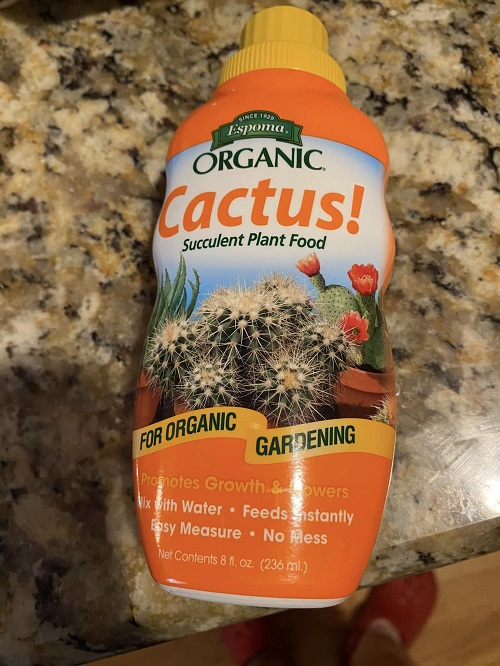
Feed your plant lightly during the growing season using a diluted cactus fertilizer once a month. Avoid fertilizing in winter, as this can stress the plant during dormancy.
Propagation
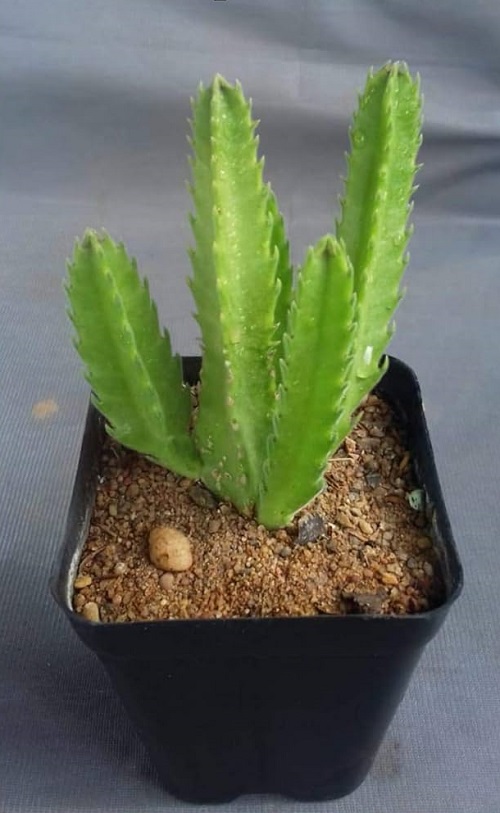
Propagation is simple and best done through stem cuttings. Cut a healthy stem, allow it to dry and callous for a few days, don’t forget this step, then plant it in dry, well-draining soil. Wait about a week before watering to prevent rot.
Common Problems
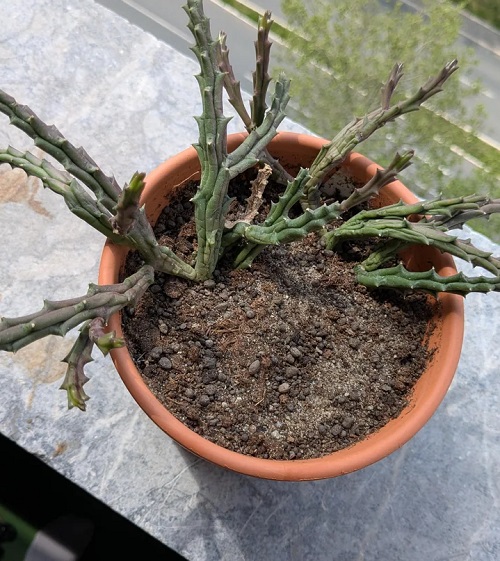
Root rot can be caused by overwatering or poor drainage but wrinkled stems can signal underwatering. Strike a balance between both but check for flowers and incase you don’t find any this happens usually due to insufficient light or excess nitrogen.
Mealybugs can sometimes hide along the stems. If you notice white cotton-like spots, wipe them gently with alcohol on a cotton swab.
Growing and caring for Stapelia Gigantea is an enriching experience in itself. You learn and tweak your practices to see the most adorable star-shaped blooms. Take care of these things and you’re almost done! Let us know how the journey of growing Stapelia Gigantea has been for you in the comments below!