
Dreaming of graceful spider ivy overflowing with long cascading leaves and baby pups? Here are some hacks.
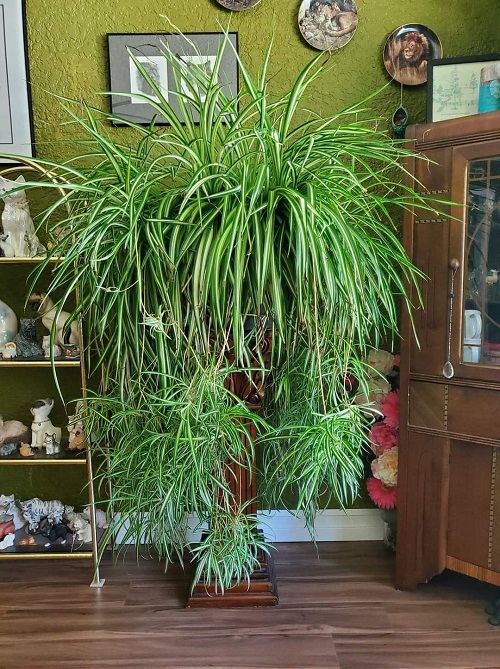
Just sitting and waiting for the spider plant to grow naturally into an XL size won’t help. You need to work with these unique tips to make a massive difference in size, fullness, and overall plant health. Turn your Chlorophytum comosum into a lush, full, and dramatic indoor centerpiece.
Hacks to Grow Biggest XL Spider Plant
1. Pick a Mature Mother Plant

The reason behind selecting a mother plant is that it already has strong root systems and will focus on producing larger leaves and dense foliage. The younger tiny ones will spend most of their energy developing roots, thus making the process of growing a big spider plant lengthier.
Choose a plant with several rosettes of leaves, thick roots, and healthier green foliage. A mature plant will grow much faster and bushier than a tiny spider plant.
2. Pour Rainwater into Spider ivy
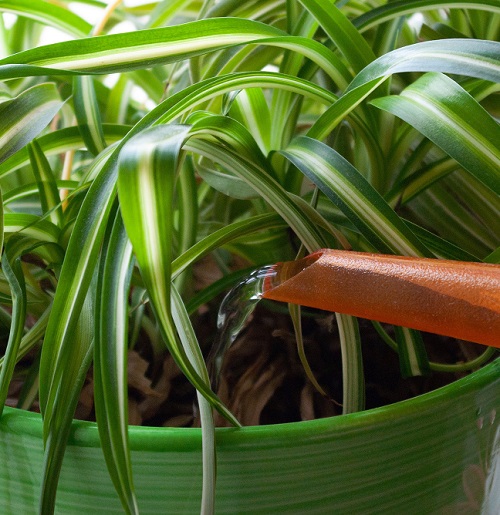
You may have noticed the brown tips in many spider plants; it’s because they are sensitive to fluoride and salts in tap water. These accumulate in the long run and affect the plant’s health.
Pouring rainwater or filtered water will keep the soil healthier and prevent leaf damage. If you can’t arrange these, then let the tap water sit overnight before watering.
Also, check that the plant is not root-bound or severely stressed before choosing it as your main plant for growth. Healthy roots make a big difference in how quickly the plant expands.
3. Remove Weak Spiderettes
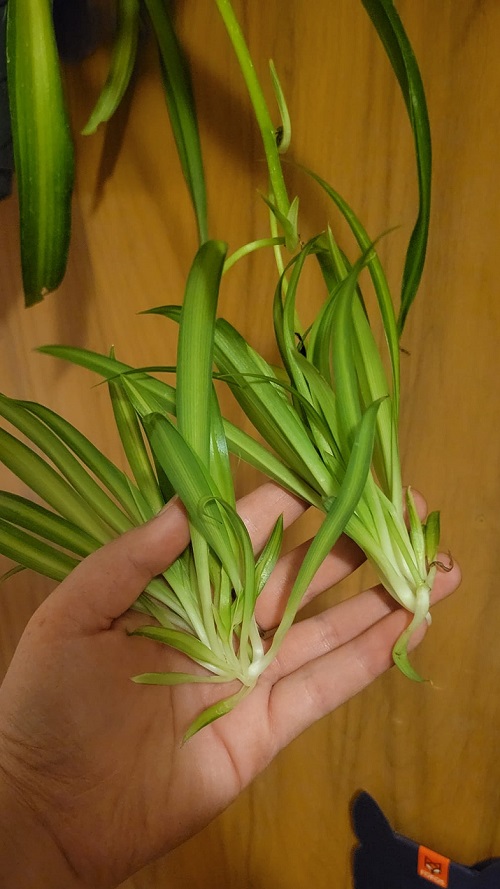
Those baby plants at the tips of the spider plant look cute, but they can prevent your spider plant from growing into an XL plant. Too many spiderettes can drain the plant’s energy, so weak ones need to be removed.
This lets the plant focus its energy on larger leaves, thicker foliage, and a stronger root system. You can propagate the removed plantlets into new plants.
4. Cut Old Leaves
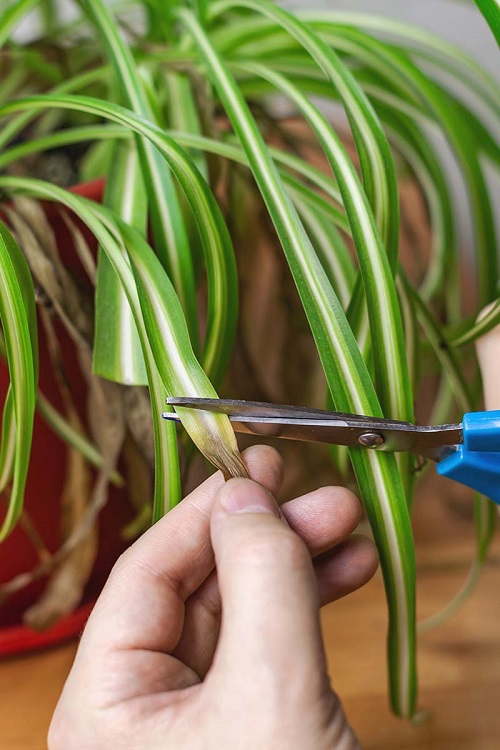
The most common hack to increase plant growth is to remove damaged or aged leaves. Prune at the base of the leaf using sterilized and sharp scissors. This encourages the plant to produce new growth, maintaining a neat and tidy appearance.
Pruning also improves the air circulation in theplant and redirects the energy to healthy leaves.
5. Give a Light Stress
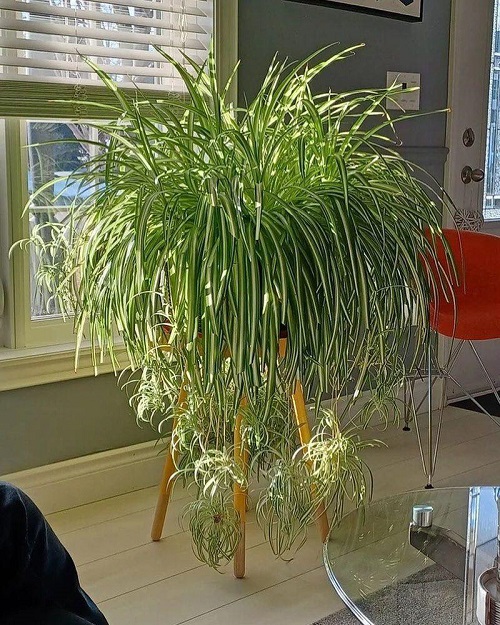
To increase leaf production and growth rate in spider plants, they need slight environmental variation, similar to natural conditions. Once every few weeks, move the plant to a slightly brighter spot for 2-3 days and then place it back in its original place.
This mild variation stimulates the plant to grow fuller as it adapts to change.
6. Attach the Spiderette Root
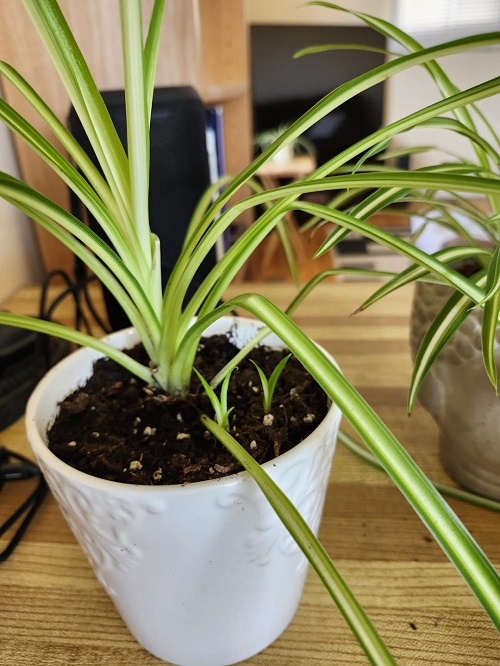
Not all spiderettes need to be cut; instead, you can try this trick by rooting them while they are still attached to the mother plant. For this, place a small pot of soil near the baby plant and set the spiderette on it. Let it root for 2–3 weeks, then separate it.
This system allows the baby plant to obtain nutrients from the mother plant while rooting and thus creating a stronger root system. When separated, both plants grow at a faster pace.
Another simple trick is to occasionally flush the soil with plenty of water to wash away accumulated salts from fertilizers or tap water.
7. Boost it With Coffee
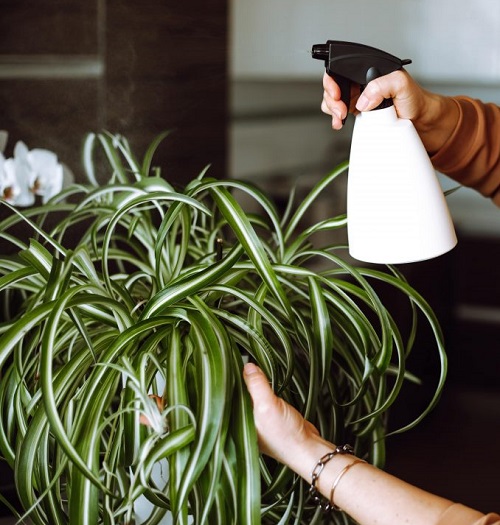
You sipped your black coffee and didn’t serve it to your plant? Yes, coffee stimulates the growth of the spider plant, as it contains small amounts of nitrogen and minerals. If any coffee is still left in your mug, mix 1 part leftover black coffee with 4 parts water and use it every 3–4 weeks. This boosts soil microbes and encourages greener leaves, resulting in a bigger spider plant.
Caution: Overusing coffee can make the soil slightly acidic, so always dilute it well and use it occasionally rather than frequently. Plus, avoid using sweetened or milk coffee.
8. Repot Seasonally
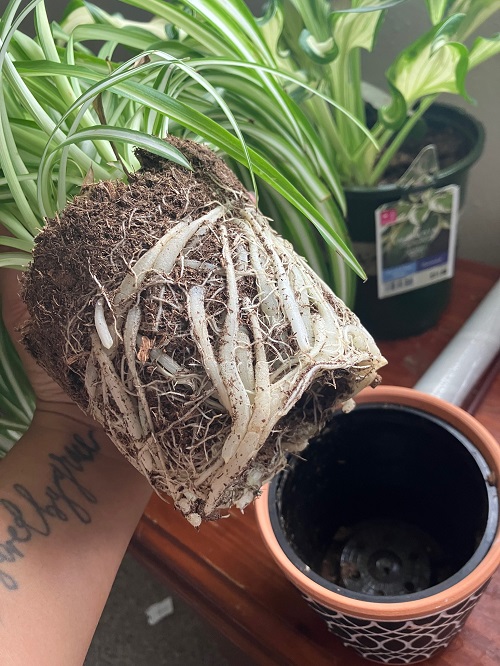
Repotting is never considered a good choice when you want a boost in the plant’s growth. But, here in the case of the spider plant, it helps. The best time to repot them is early spring, i.e., during their growing phase, which encourages massive new foliage production. At this time, the plant recovers quickly from the transplant shock, and roots prepare for rapid growth.
9. Protect Soil with Cinnamon
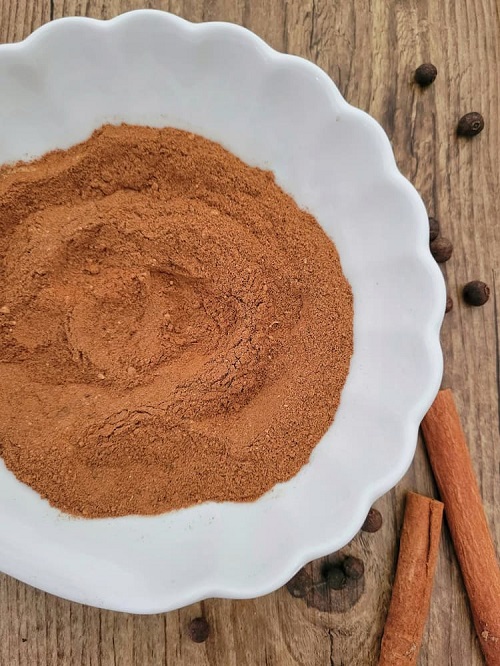
Cinnamon acts as a natural antifungal agent, helping the roots grow faster and the soil stay healthy. Sprinkle a tiny amount of cinnamon powder onto the soil surface to help shoo away fungal problems. Healthy soil will lead to stronger and larger spider plants. Try this trick when you are repotting or after heavy watering, when the soil has been damped for long duration.
This trick is especially helpful in humid environments where fungal issues appear more frequently.
10. Leave a Shallow Soil Layer
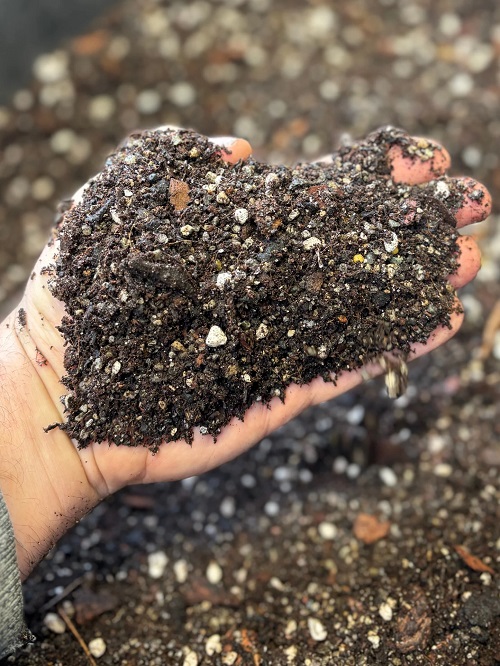
Mimicking the plant’s habitat is the best way to grow them into XL size. Spider plants, when in forests, have their roots spread near the soil surface. Instead of filling your pot completely with soil, leave 2-3 cm of space at the top and add fresh compost or potting mix occasionally.
This will encourage the formation of new feeder roots near the surface and improve nutrient absorption, boosting overall plant growth. The plant develops a denser root network, supporting bigger foliage.
Spider plants, when hung near the window, give a dreamy appearance when the dappled light falls in your room. This might be in your head when you see your tiny plant. Don’t worry, these hacks will definitely grow them into a majestic one and fulfill your dream. Do update us in the comments on how they are growing.