
Can’t get enough of your indoor flowers and hate the barren periods? Here’s how to force more blooms all year long!
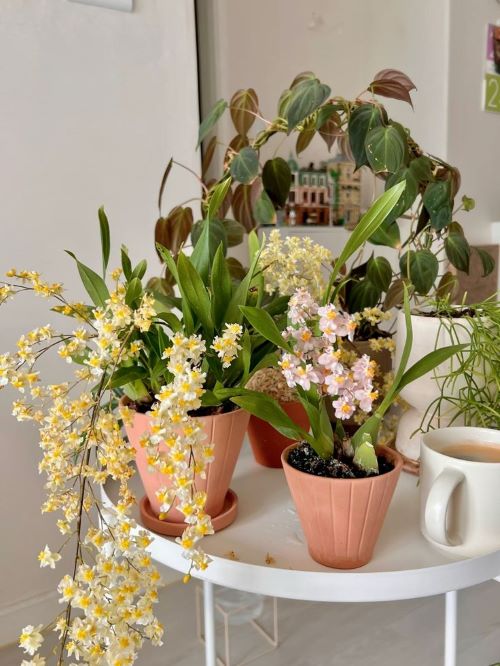
Being greedy isn’t always a bad thing, especially when it comes to blooms on your indoor plants! Most plants only bloom for a short period of time and then stop; however, there are a few tricks and techniques you can follow to coax your plant to produce its astonishing flowers all throughout the year. Read on to find out!
How to Get More Flowers from Indoor Plants All Year
1. Adequate Sunlight Exposure
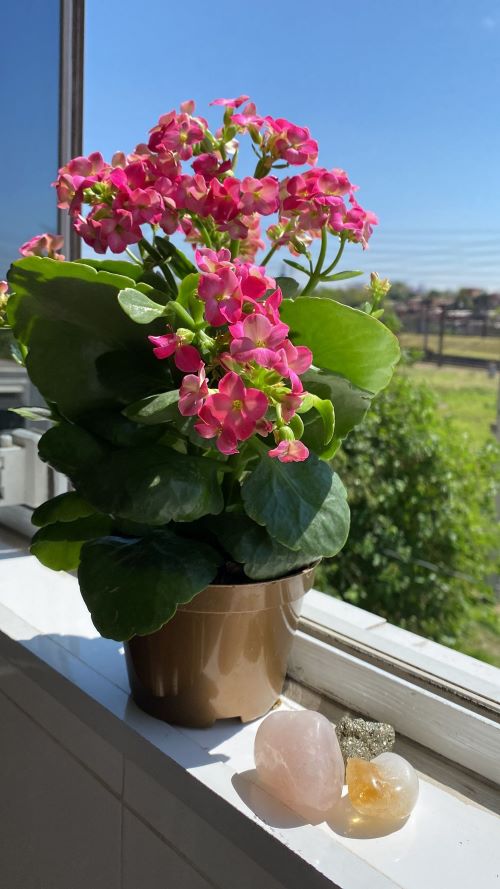
We all know that sunlight is the primary source of life, especially for plants. It is required to produce energy through photosynthesis, which is channeled to produce blooms. Many novice gardeners tend to make the mistake of depriving the plant of adequate sunlight, which in turn leads to fewer flowers.
Even low-light-loving plants require higher amounts of indirect sunlight to trigger the blooming process. Depending on your plant variety, you may have to shift it to a location where sunlight is abundant.
Pro Tip: Strategically placing mirrors or other reflective surfaces around the plants can help increase and intensify the sunlight duration.
2. Tending to Watering Needs
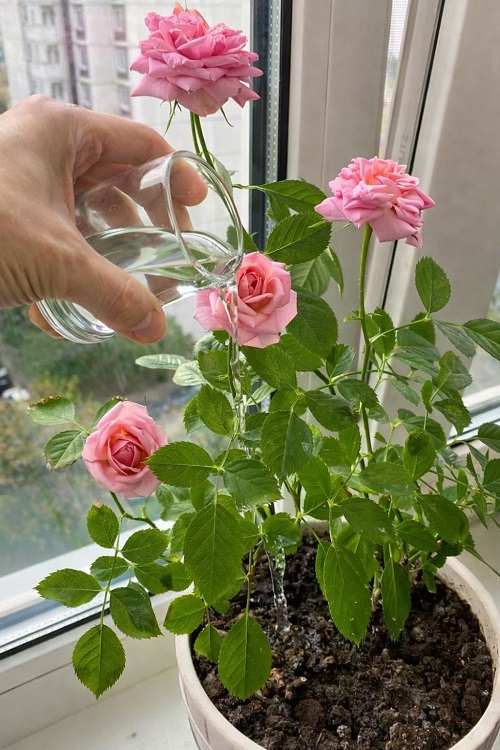
No shoe fits all when it comes to the watering needs of indoor plants. Certain plants love constant moisture, while others prefer short periods of drought, which spark the flowering process. You may have to do a bit of homework on the kinds of plants in your indoor garden and water them accordingly.
In most cases, keeping the plant slightly thirsty forces a survival instinct to kick in, which makes the plant bloom. Generally, the “drench and dry” method is optimal for most plants, in which you thoroughly water the substrate when the top 2 inches are dry to the touch and let it dry out completely before repeating the process.
Pro Tip: Bottom watering can help prolong the blooming period in many plants.
3. Focus on Nutrition
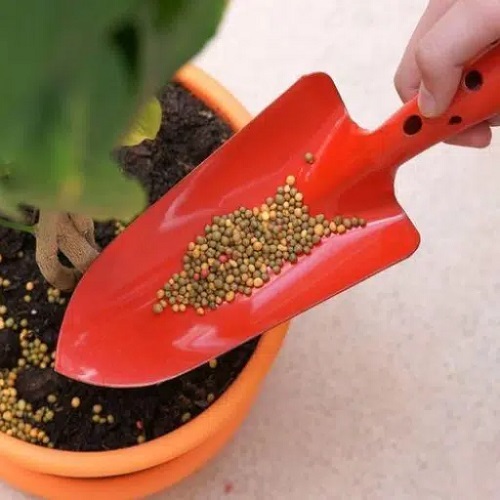
A nutrient-hungry plant can barely survive, let alone produce flowers all year long! As time passes, the substrate loses the essential minerals that are required to grow flowers. Here’s when fertilizers come to the rescue.
You must focus on liquid-based or water-soluble fertilizers that have a slightly higher concentration of potassium and phosphorus. All in all, try meeting all the nutritional needs of a plant by giving attention to all elements.
Note: Fertilizers with high nitrogen content boost foliage growth instead of blooms.
4. Temperature Stimulation and Consistency
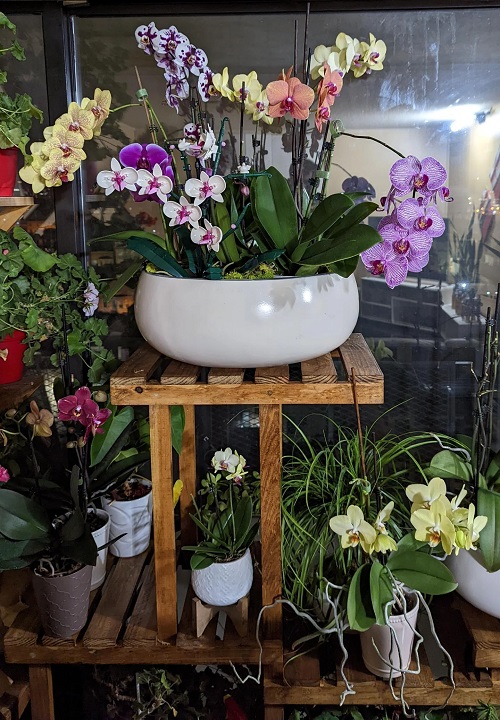
Every indoor plant performs best when the room environment mimics its natural habitat. This includes temperature. For desert plants, higher temperatures and low humidity are vital, whereas for tropical plants, warm and moist microclimates work best.
Did you know that certain plants like the Phalaenopsis Orchid and Azalea require nightly temperature drops to help flowering? You may have to look up if your plant selection also needs these unusual but necessary temperature fluctuations.
5. Pruning is Key
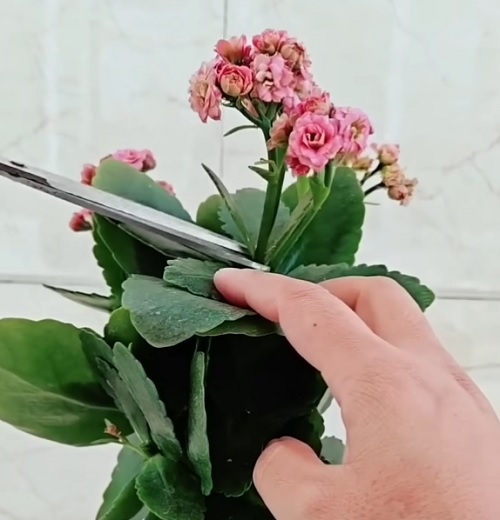
Sometimes, to gain something, you have to lose something! That stands true for blooms! Snipping off old and spent flowers can significantly prolong the blooming periods or even trigger a second one in the same season. This is known as deadheading.
Always ensure you use clean shears and cut off dying flowers right above a node for quicker recovery. You should also snip away leggy branches or extra foliage to direct energy to flower production rather than maintenance.
6. Maintain Hygiene
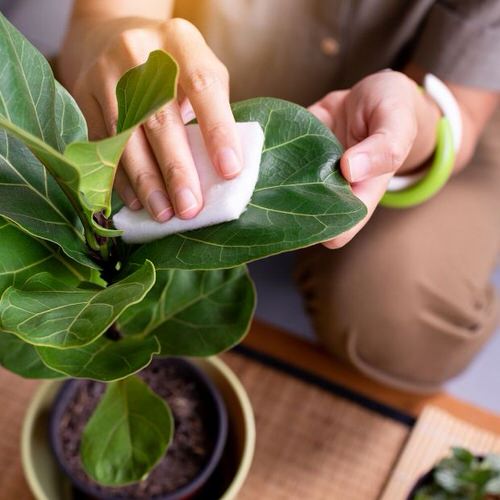
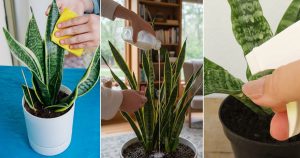
Just as you need to be clean to function optimally, plants need hygiene too! They might not have the same skincare routine, but regularly wiping off the leaves with a damp cloth and clearing away debris on the surface of the substrate goes a long way.
Cleaning the leaves is especially helpful as, over time, a layer of dust settles on them, which hinders the process of photosynthesis.
Note: Do not use soap or cleaning agents, as they may cause chemical burns or leave residue that does more harm than good.
7. Keep Pests at Bay
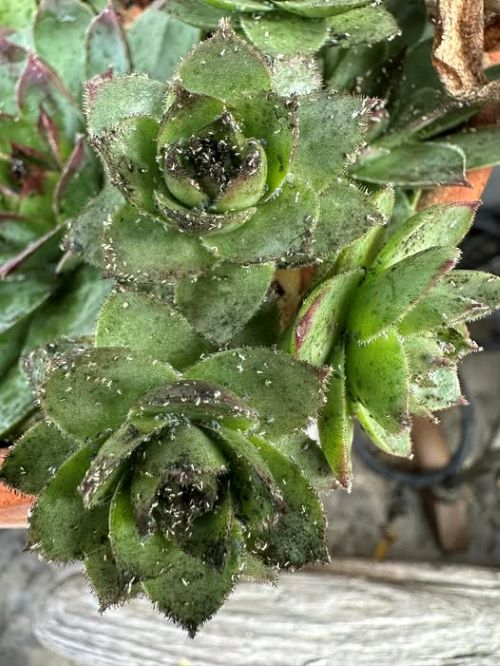
The reason your indoor plant is not blooming to its maximum capacity may be crawling among its foliage! Pests such as aphids, mealybugs, and spidermites suck the life out of your plant literally! They feed on the sap, which weakens the plant or diverts energy for repair rather than blooming.
You must be on the lookout for early signs of an infestation and treat it with appropriate measures immediately. Using neem oil, sticky traps, and bug repellents are some of the few ways you can prevent the loss of flowers because of these tiny nuisances.
8. Comfort is a Killer
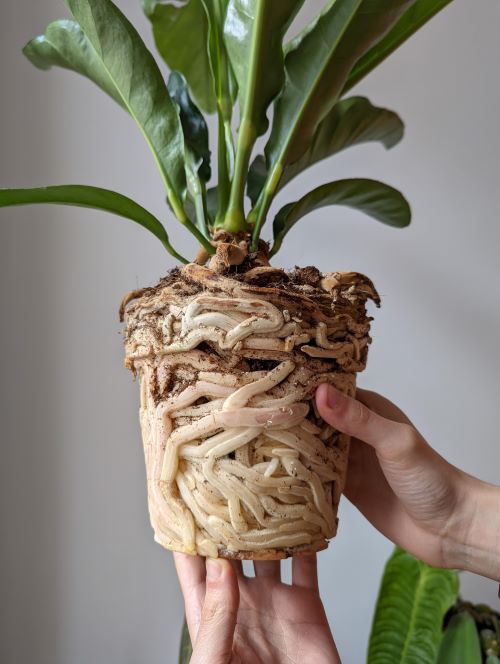
There’s a saying that comfort is the killer of progress, and to a certain extent, it stands true for indoor plants trying to bloom! Blooming is actually an act of self-preservation, which occurs when the plant feels it is endangered and must create offspring to continue its family tree.
When a plant is kept in extremely comfortable conditions, the flowering process is not triggered. Therefore, short periods of drought, slightly rootbound conditions, and other mildly stressful conditions can actually be the game-changer.
9. Darkness may be an Ally
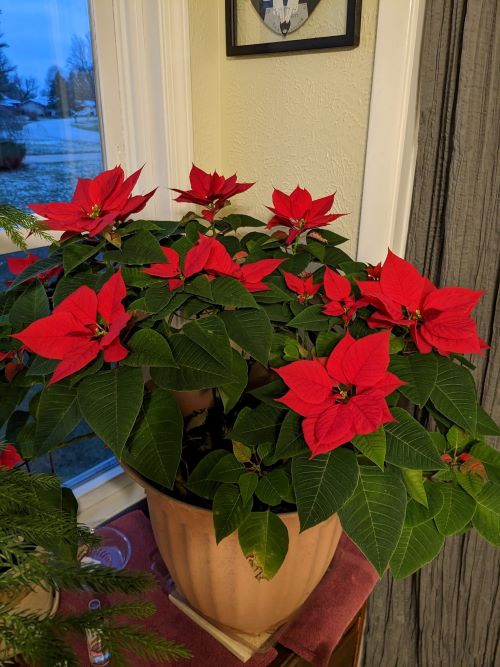
We already know that sunlight is an important factor when it comes to year-long blooming. But did you know that certain plants require prolonged periods of darkness to initiate the blooming process?
Plants like poinsettia and kalanchoe only produce flowers when they are given 12-14 hours of darkness every day over multiple weeks. You must know whether darkness is a flowering requirement of your plant, and hence provide adequate conditions.
10. Unconventional Techniques
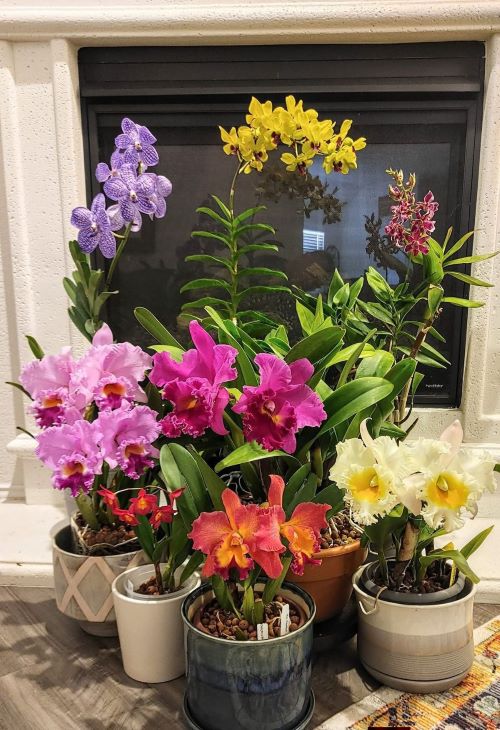
Finally, the last hack, which may seem weird but has many research papers backing it up, is using unconventional methods. These techniques range from playing music, talking to your plant, to placing a table fan in front of your plants to mimic natural air movement.
This may be the last resort, as most plants should flower abundantly with the previous tricks; it is only a boost, so no harm is done.
Now that you’ll be having an overflow of flowers in your indoor garden, tell us in the comment section which other issues you would like to rectify, and we’ll help you in your gardening journey!