
These are your go-to tips and tricks to build, plant, and maintain a large thriving and healthy succulent bed.
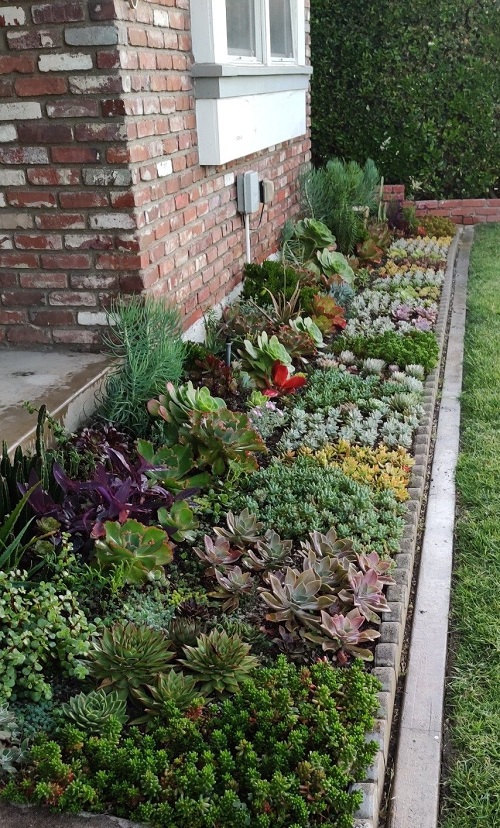
Succulents are loved for their dainty, small and adorable low maintenance nature. This is why people love to have their home filled with these beauties and if you plan to have your own succulent bed this season, you are at the right spot!
Tips for a Large Succulent Bed
1. Choose the Right Location
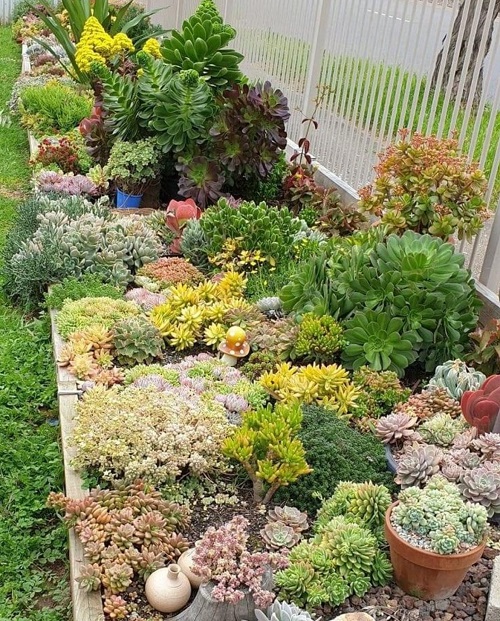
Most varieties love bright, indirect to full sunlight for at least 5–7 hours a day. When planning a large bed, ensure that the area throughout the day doesn’t receive excessive shade or harsh afternoon sun. In very hot climates, partial shade during peak afternoon hours prevents sunburn. Proper air circulation also helps reduce fungal issues.
A quick way to test the spot is the “shadow check.” If the area stays in heavy shadow past late morning, it’s too dark. If the ground is scorching to touch at 2–4 PM, add shade cloth. Think of it like Goldilocks—bright, but not blazing.
2. Well-Draining Soil
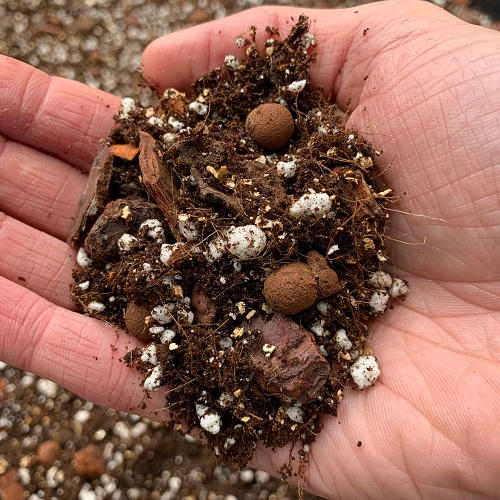
Soil quality is equivalent to the success of a succulent bed. Regular garden soil holds too much moisture and can cause root rot. We suggest a fast-draining mix. Combine garden soil with coarse sand, perlite, pumice, or small gravel. Raised beds or slightly sloppy are ideal, as they naturally prevent water from collecting around roots.
If rainwater pools even for 30 minutes, the bed needs a drainage upgrade. Add more grit, lift the soil level, or create channels. Succulents like drinks, not baths.
3. Plan the Layout Before Planting
A large succulent bed should look spacious rather than overcrowded. Arrange plants by height, spread, and growth pattern. Place taller succulents like aloe vera at the center or back, and put low-growing varieties like echeveria in the front. Repetition of colors and shapes creates visual harmony.
A Bonus Tip: Before planting, place pots on the soil to map the spacing and balance for your plants.
Add a focal cluster instead of one single hero plant. Three plants in a triangle (odd numbers work best visually) act like an anchor and make the bed look designed, not dumped.
4. Space the Plants Neatly
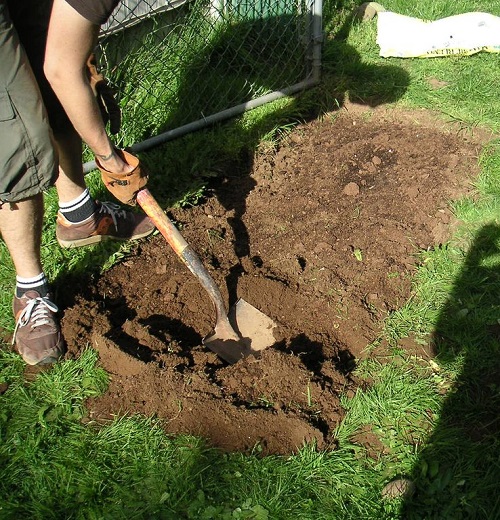
Succulents may look small initially, but many spread significantly over time. Overcrowding restricts airflow and increases disease risk. Leave enough space for growth, allowing each plant to expand naturally and of course, fully. This also reduces competition for nutrients and sunlight, making long-term maintenance easier.
Addition: Leave 6–12 inches between small varieties and 12–24 inches for spreaders. It may look sparse at first, but it fills in like magic by mid-season.
5. Water Deeply but Infrequently
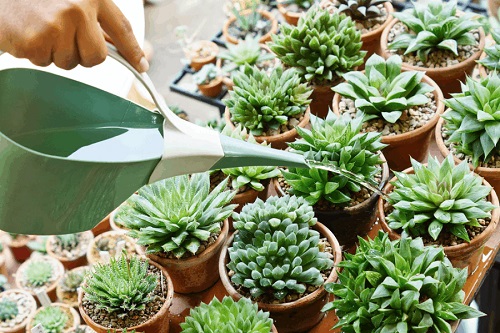
One of the most common mistakes in succulent beds is overwatering. You are allowed to water your plants, but only when it is necessary. Large beds often need less frequent watering than pots because the soil retains moisture longer. Try drip irrigation as it delivers water directly to the roots without wetting leaves.
Water in the morning so the bed dries by night. Wet nights are a fungal playground, and we don’t want that.
6. Mulch Strategically
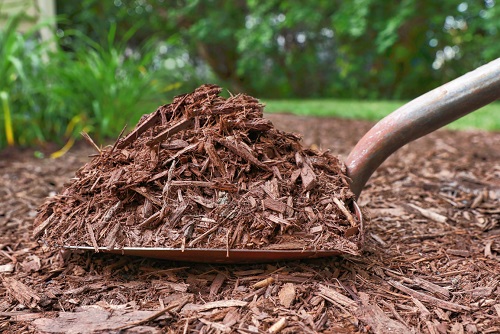
Mulching helps regulate soil temperature and reduce weeds. Instead of organic mulch, use inorganic materials like gravel, pebbles, or crushed stone. These drain fast and don’t hold moisture around stems.
Keep mulch 1–2 inches away from the base of stems to prevent collar rot. A tiny gap goes a long way.
7. Control Weeds Early
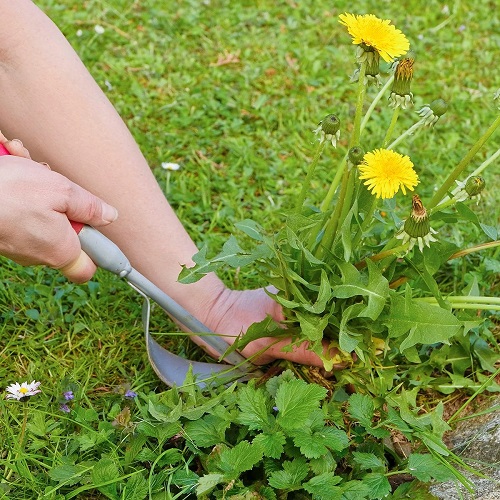
Weeds compete with succulents for nutrients and water. In a large bed, unchecked weeds can spread quickly. Remove weeds manually while they’re young and you can consider landscape fabric beneath the soil layer for added protection.
A weeding schedule beats a weeding marathon. Spend 5 minutes weekly instead of 50 minutes later.
8. Minimal Fertilization

Succulents do not require frequent feeding. Over-fertilizing can cause weak, leggy growth. A diluted, low-nitrogen fertilizer once or twice during the growing season is sufficient for a large bed.
Skip feeding completely in peak winter. The bed rests, and pushing growth then is like waking someone at 3 AM—rude and counterproductive.
A large succulent bed can be a hassle, if you are not prepared to look after them. But now that you have an understanding, let us know in the comments below when you are planning on making your own.