
Can lemon juice help your string of pearls? It can be tricky, but its not difficult to alter it to your plants needs. Read ahead to learn!
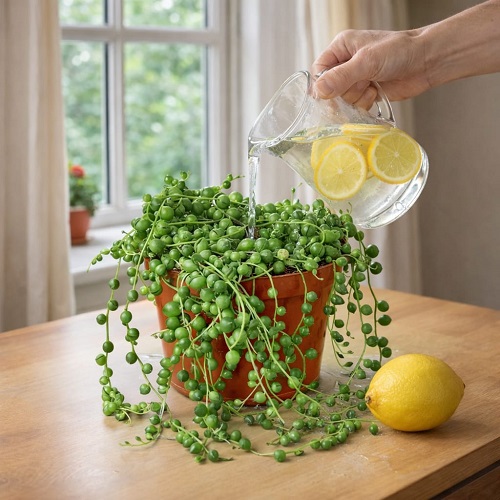
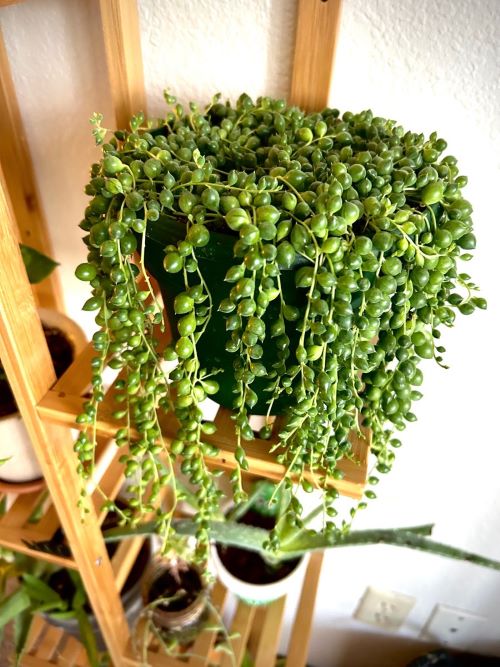
String of pearls is a delicate succulent with very specific requirements. Its trailing, bead-like leaves depend heavily on healthy roots and the right soil balance. Problems like fungus gnats, weak growth, or shrinking pearls often start below the surface. That’s where lemon juice can be either a helping hand or a risky move — it all depends on how you use it.
Type of Soil that String of Pearls Need
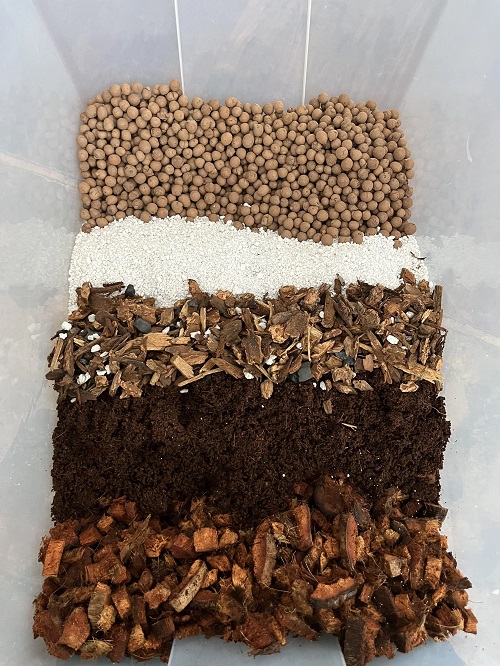
String of pearls is a succulent coming from South Africa, and it grows in gritty, well-draining soil with slightly acidic properties. This mild acidity helps the roots absorb essential nutrients like iron, magnesium, and manganese.
When the soil becomes too alkaline, these nutrients may be present but unavailable to the plant. This leads to slow growth, pale leaves, and overall stress, even if watering and light conditions are correct.
This is why maintaining the right soil pH matters. A slightly acidic environment allows the plant’s roots to function efficiently, supporting bead formation, healthy color, and steady trailing growth. Small adjustments to soil chemistry can make a noticeable difference over time.
Nutrient Absorption and Healthy Growth
Lets just say they are synonyms now. Plants need nutrients to live and grow but plants do not absorb nutrients simply because they are added to the soil. Nutrient uptake depends on root health, microbial activity, and soil pH.
If the pH is not balanced, the roots struggle to take in what they need, no matter how rich the soil is. For string of pearls, poor nutrient absorption can show up as shrinking pearls, thin stems, or stopped growth.
So do you see a cycle? By gently increasing soil acidity, nutrient availability improves. This supports stronger roots, better photosynthesis, and healthier plants. When nutrients are absorbed properly, the plant can direct its energy into growth rather than survival.
Using Diluted Lemon Juice to Increase Soil Acidity
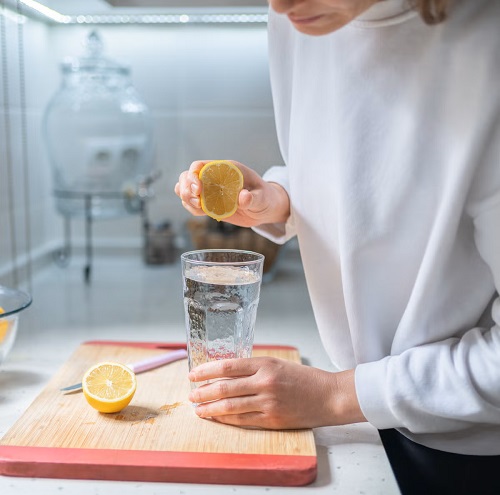
Lemon juice is naturally acidic, which is why it can be useful in very small amounts. When diluted heavily with water, it can help shift the soil towards a more acidic range. But this shouldn’t replace your proper soil mixes or fertilizers, but rather it can a once in a while support.
So, let’s accept moderation. Add a few drops of lemon juice in a large quantity of water, used it infrequently, and it is enough. Overuse or strong concentrations can damage roots and disrupt beneficial soil organisms. When used carefully, diluted lemon juice can gently and gradually improve soil conditions without causing shock or stress to the plant.
Lemon Juice helps in Controlling Fungus Gnats
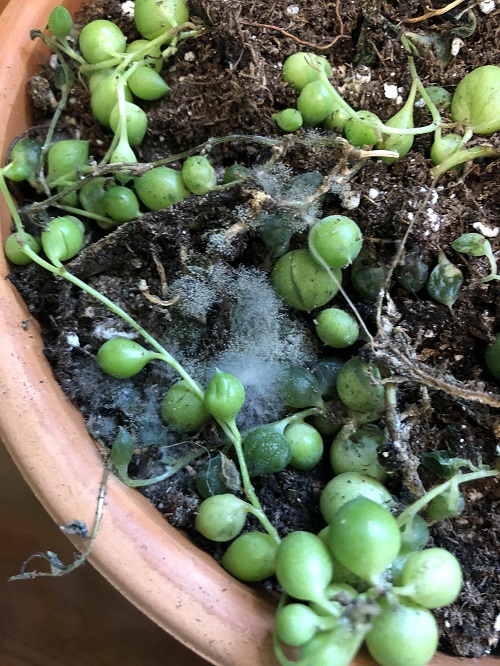
Fungus gnats are a common problem for indoor plants, especially when soil stays moist for too long. They thrive in organic matter and damp conditions. Diluted lemon juice or lemon scented dish soap can help manage these pests. But, use it occasionally. The acidity creates an environment that is less favorable for fungus gnats, helping eliminate them over time.
This method works should be treated as a supportive measure rather than a primary treatment. Proper drainage, controlled watering, and good airflow should always be your first priority.
Now you may ask, “Why Moderation?”
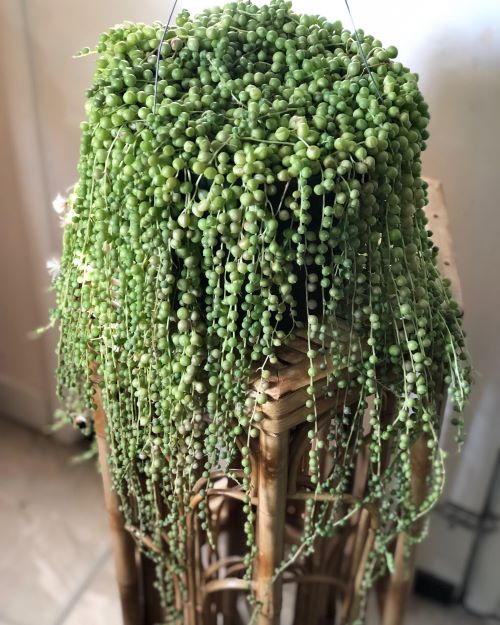
String of pearls is extremely dainty and super sensitive, and its roots can easily be damaged by sudden changes. Lemon juice should never be used frequently or in strong concentrations for these mini beauties. Used lightly and minimally, it can support soil health, improve nutrient absorption, and discourage pests without stressing the plant.
So you see, lemon juice or probably every organic and natural ingredient can be beneficial for our String of Pearls to bloom adorably and grow fuller. But we need to figure out how, if we find them handy. For tricks like these and uses like such, you have us. Let us know how it worked for you in the comments below!