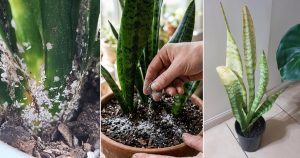

Pouring milk on your peace lily sounds like a million-dollar hack. But what if it ruins your plant instead? It’s for us to find out together!
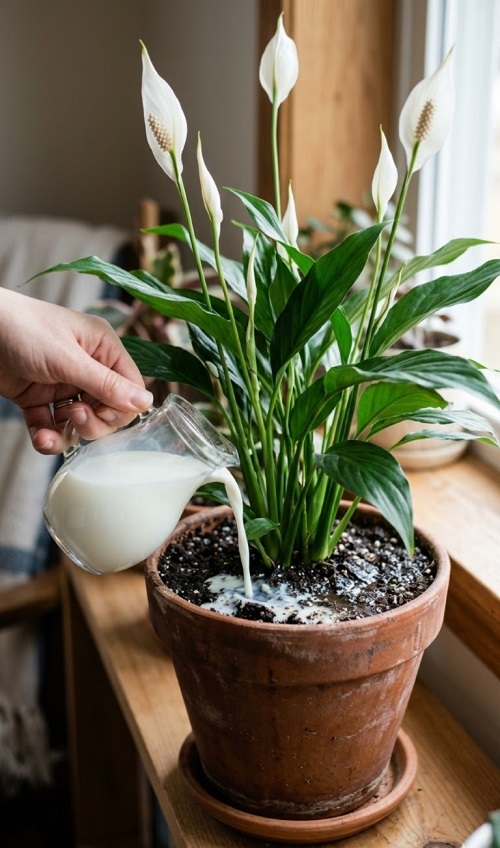
Adding milk to your plants can be a good idea to a great extent. However, milk is not a plant food. Milk is a source of calcium, and plants do require nutrients for their growth. But simply pouring milk on your soil is not a way of correctly feeding your plant.
Milk for Your Peace Lilies
A moderate amount of diluted milk may serve as a mild nutrient addition to your plant if used properly. But remember, it is a supplement, not a replacement for proper plant care. Your peace lily will still rely more on good light, watering, and soil than on any external hacks.
Nutrient Booster

Peace lilies need a well-balanced soil with essential nutrients like calcium, proteins, and trace minerals. Milk contains some small amounts of calcium and other beneficial compounds that can be used to support the health of plants.
Calcium is highly important for plants since it not only strengthens their cell walls but also increases their root development, and it is also one of the things that support the whole foundation of the plant.
Antifungal Properties
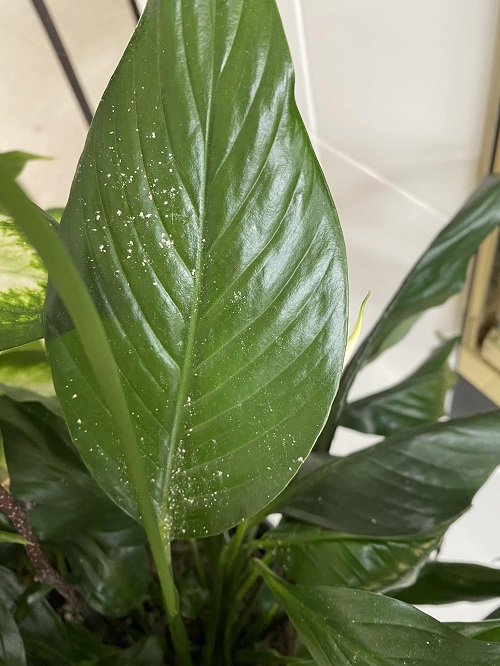
Another benefit of milk is its mild antifungal properties. When used lightly, it can help prevent issues like powdery mildew or minor leaf infections.
How to use Milk Correctly
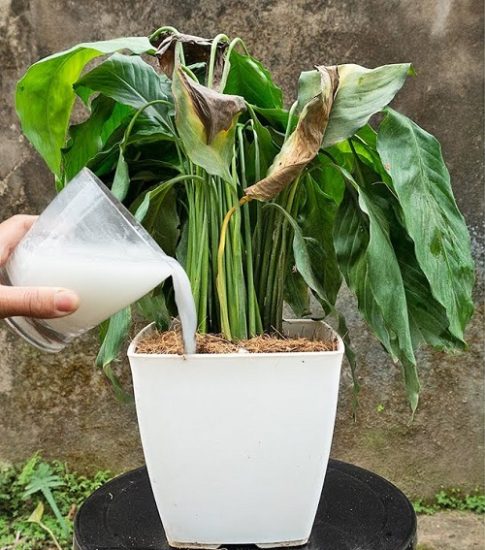
Dilution is very important. For example, don’t just pour fresh milk onto plants or soil. It can spoil and lead to bad smells or bacterial and fungal growth. The right way is to combine 1 part milk with 2 or 3 parts water.
You can treat the soil with diluted milk this way by watering the roots with a small quantity of the mix only once every 3-4 weeks. The plants will then be able to slowly take up the nutrients. Keep in mind that peace lily plants like consistently damp but not waterlogged soil, so you should not overwater.
The leaves of the peace lily plant are large, so they easily collect dust. The dust can make it difficult for them to breathe and even reduce photosynthesis. For this reason, take a soft cloth dipped in diluted milk and carefully wipe the leaves. Besides cleaning, this also makes the leaves have a nice natural shine.
Check
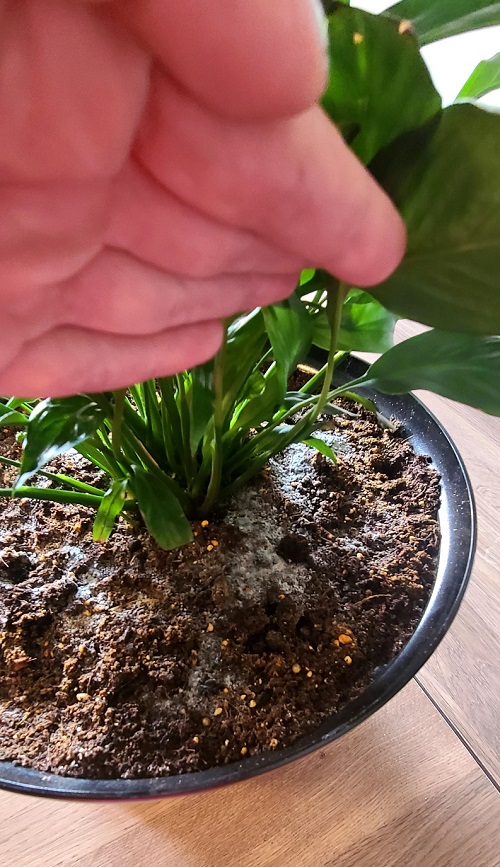
If you notice any sour smell, mold, or sticky residue on the soil, reduce or stop using milk immediately. Every plant responds differently, and environmental factors like humidity and temperature play a role. Also watch for pests like fungus gnats, as spoiled organic matter can attract them.
Natural substances or diluted milk can be beneficial, but only when used in moderation and as an aid and not a replacement. Let us know when you are planning to use it for your plants in the comments below!