
Are you killing your Alocasia? Your over-caring nature can slowly poison your plant. Know them before it gets too late!
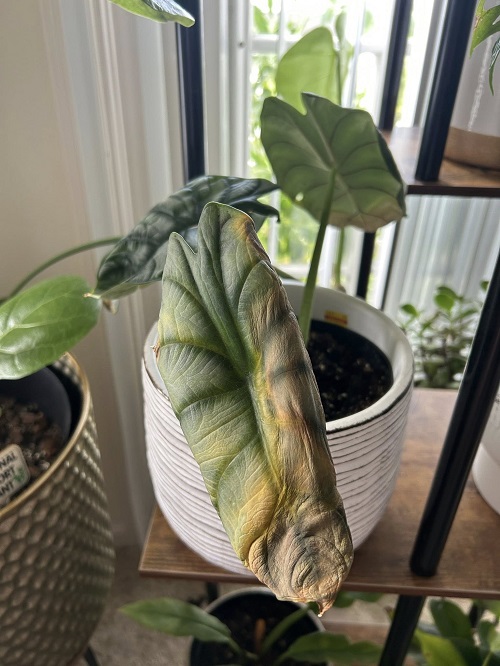
Alocasia masters the art of hiding pain. It will survive until the pain becomes unbearable; therefore, don’t mistake the simple drooping leaf as an aging sign. It may be a cry for help. Sometimes, one yellow leaf is not the issue—but repeated signs mean something is off in your routine.
Mistakes that Kill Alocasia Indoors Slowly
1. Overwatering
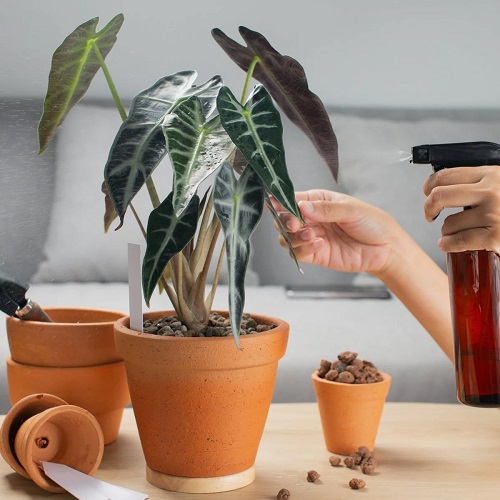
New plant parents are usually fond of watering plants, thinking it is beneficial for their new homie. But this over-nurturing habit turns into a threat to indoor plants.
Plants, like Alocasia, need water, but they hate sitting in stagnant water. Therefore, we should water only when the top 2-3 inches of soil get dry; otherwise, the leaves will turn yellow and collapse within a few days.
2. Ignoring Soil Dryness
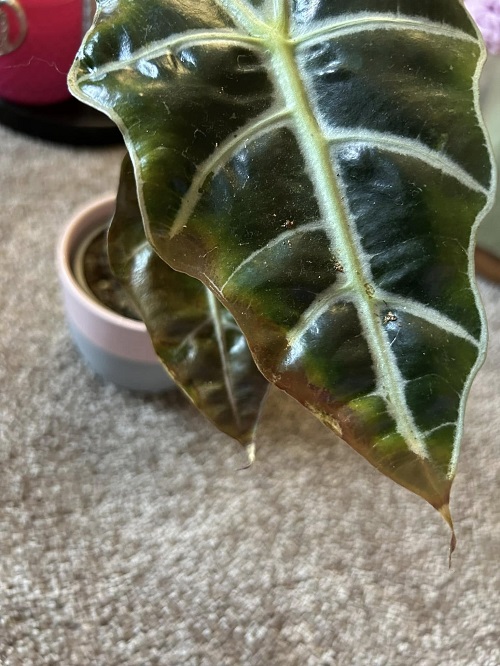
If you see your plant’s leaves curling or the edges turning brown, then it is a sign of water scarcity. Usually, we forget to water our indoor plants or wait for the soil to get completely dry.
But waiting too long will cause stress to the roots and weaken the plant. Slowly, they become more prone to pests and diseases and die fighting them. So, keep an eye on the soil and do not let it dry completely.
A slightly moist (not soggy) soil is the sweet spot for Alocasia.
3. Placing Plant in Low Light
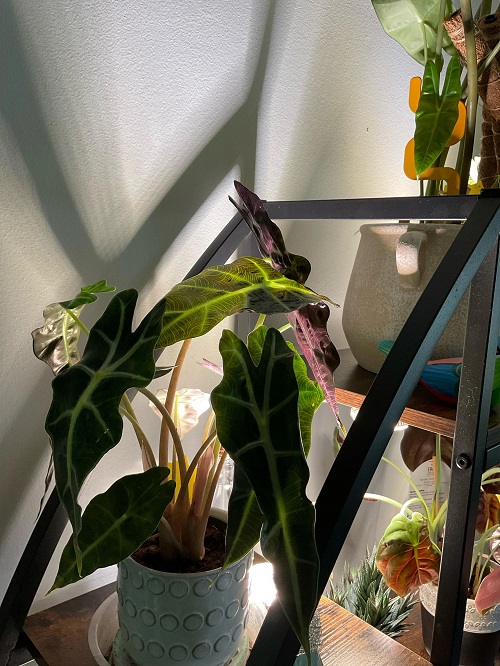
Sunlight is the only source of food for all photosynthetic plants, including Alocasia; therefore, keeping it in low light may slow down the photosynthetic process. As a result, the stems of the plant stretch and become weak.
Additionally, if low-light stress is mistaken for a watering issue and addressed with more water, it will decline rapidly. Therefore, it is suggested to keep the plant in indirect light to get the amount of energy required for growth.
4. Exposing the Plant to Dry Air
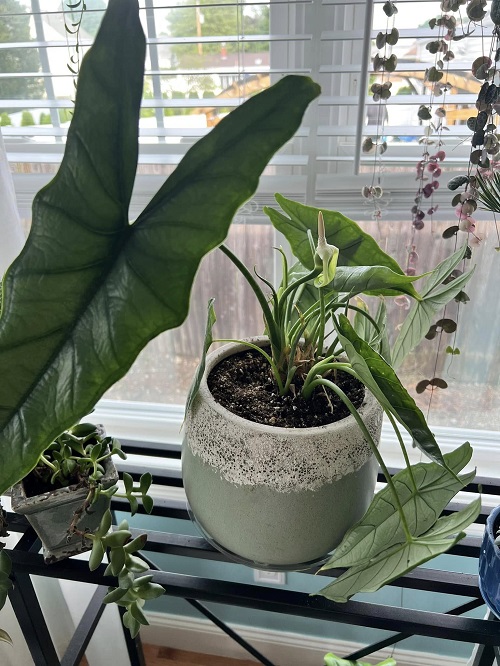
It is recommended to keep indoor plants in bright indirect light or near an east-facing window. The reason is that the dry air from AV vents, open windows, and cold floors damages the leaf tissue.
Moreover, repeated exposure to cold and dry air weakens the plant and slowly inhibits its growth. In this condition, the plant utilizes its energy to survive rather than bloom.
5. Ignoring Soil Quality
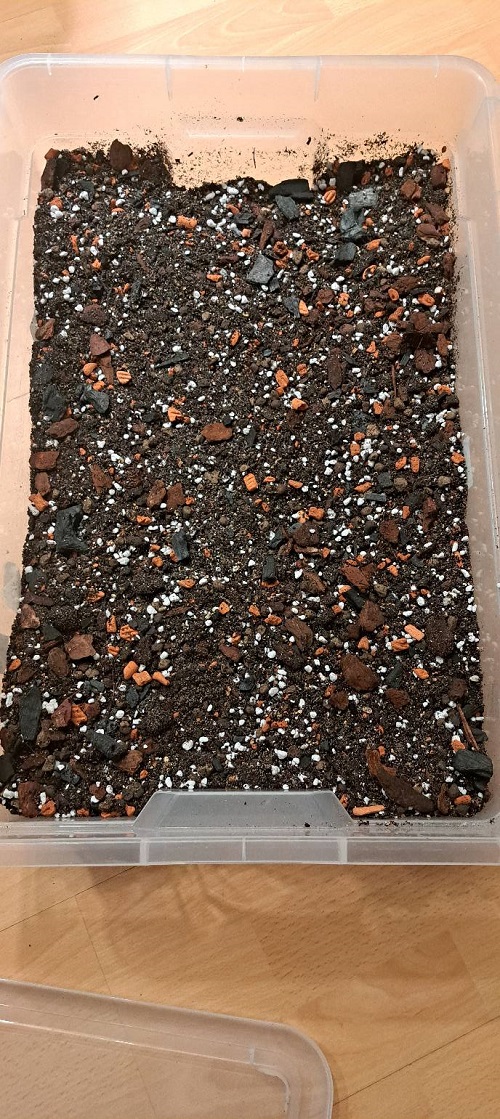
Alocasia needs soil that drains water and allows oxygen to reach the roots freely. Therefore, it is necessary to check the soil quality before potting a new plant.
If ignored, the roots will become weak and unhealthy, leading to slow growth and drooping leaves.
A mix of potting soil, perlite, and coco coir works well to keep the soil airy and balanced.
6. Using Strong Fertilizers
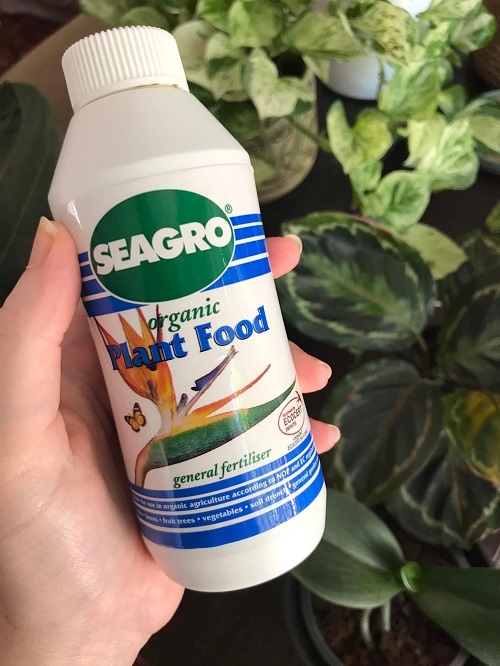
If you are using strong fertilizers, thinking that they will only remove pests and not harm the plant, then that can be the biggest mistake. Too much fertilizer will burn the plant roots and cause buildup in the soil.
This may lead to brown edges and yellow patches on leaves as the plant becomes weak. Therefore, we should use a balanced, water-soluble liquid fertilizer in a 20-20-20 NPK ratio every 2-4 weeks during the growing season.
Expert Tip!
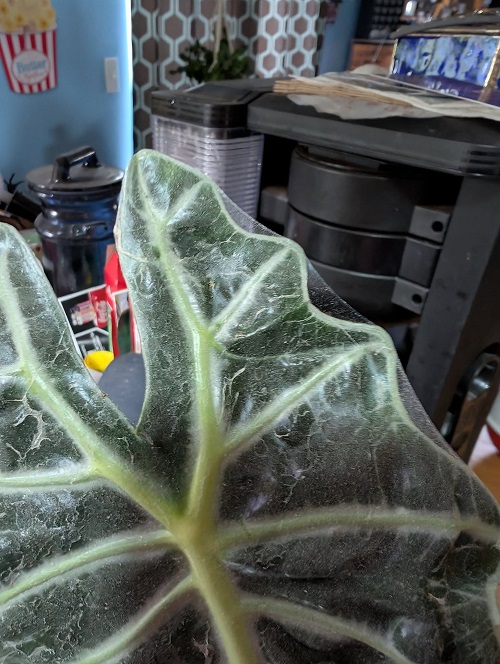
Do not forget to check on pests such as spider mites, thrips, and aphids under leaves and near stems.
If you see your plant leaves losing shine, curling, or becoming dusty, then it may be a sign of pests on it. Remove them before they kill your plant!
Check on these mistakes and keep your indoor plants safe. Do let us know about your queries, and we’ll discuss them in our next article. We are together in this!