

Propagating Snake Plants like us like us? Well, we hope you know how to make them feel safe and not suffer. If you don’t, this one’s for you.
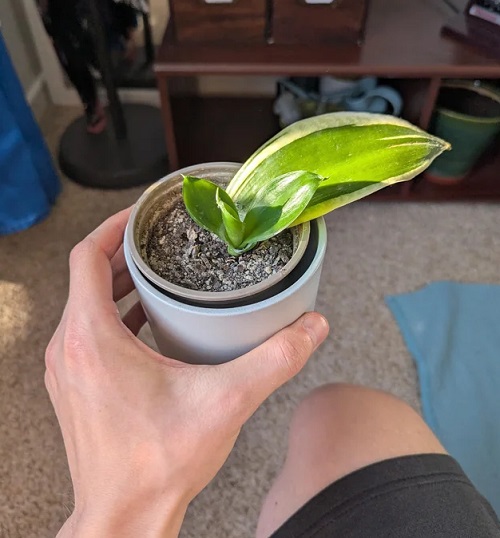
The greatly loved snake plants are often considered one of the easiest houseplants to grow. Oh, then that makes them easy to propagate, you ask. No, we say.
We agree they’re hardy and low-maintenance but snake plant propagation fails more often than expected. Be it through water, soil, or by division, small errors during propagation can lead to rotting, hampered growth, or no development of roots. But, don’t worry, you’ve got us. Let’s see what to avoid this time!
Mistakes People Make When Propagating Snake Plants
1. That Wrong Cut and the Wrong Part
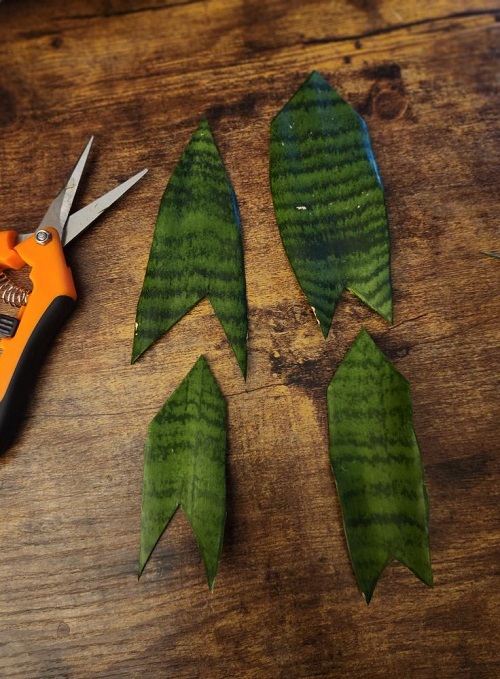
One of the most common mistakes is cutting the leaf incorrectly. Snake plant leaves have a natural growth direction, and planting them upside down or wrongly will prevent rooting altogether. Many people forget to mark which end is the bottom after cutting a leaf into sections.
For this, always mark the bottom end of each cutting or cut a small V-shape at the base so you know which side goes into soil or water.
2. Less Information is Dangerous than No Information
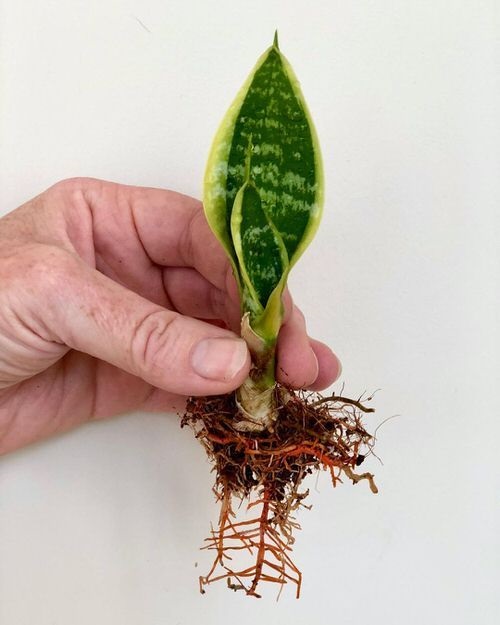
If you’re propagating a variegated snake plant, leaf cuttings will almost always lose their yellow or white stripes and revert to solid green. Does that mean it’s a failure? No. Many people think it is, but hear us out. If you want to preserve variegation, propagate using division, not leaf cuttings.
3. Overwatering the Cuttings
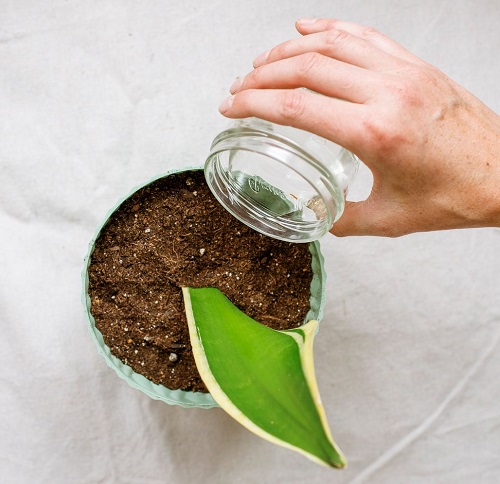
Snake plants are succulents, and they store water in their leaves. Overwatering is the fastest way to rot a cutting, especially during soil propagation. Many people treat new cuttings like regular plants and water them too frequently. Don’t do that, water lightly and sparingly. Let the soil dry out almost completely between watering. In water propagation, change the water every few days but don’t submerge the entire leaf.
4. Skipping the Callusing Step
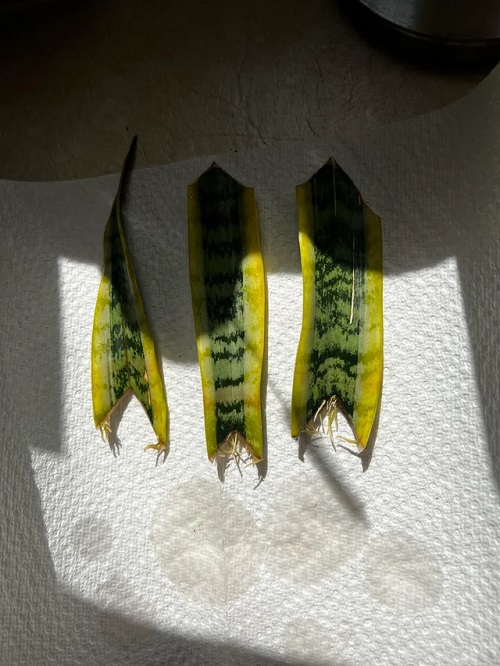
Planting freshly cut leaves directly into soil or water increases the risk of bacterial or fungal rot. Many people skip letting the cut end dry because the plant looks healthy and tough, but the damage has already started if you don’t allow it to dry. Allow the cuttings to dry and callus for 24–48 hours before placing them in soil or water.
5. Using Heavy or Poorly Draining Soil
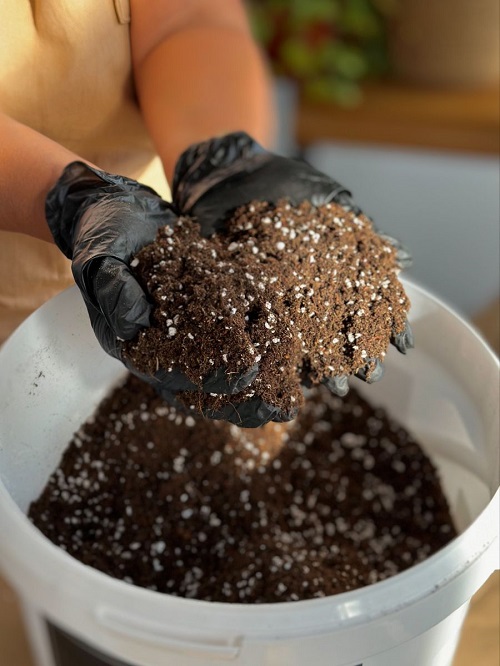
Regular garden soil or moisture-retaining potting mix can suffocate roots and trap water around the cutting. This is a major reason snake plant propagation fails in soil. Use a well-draining mix, ideally cactus or succulent soil. You can also add perlite or coarse sand for better aeration and drainage.
6. Being Impatient
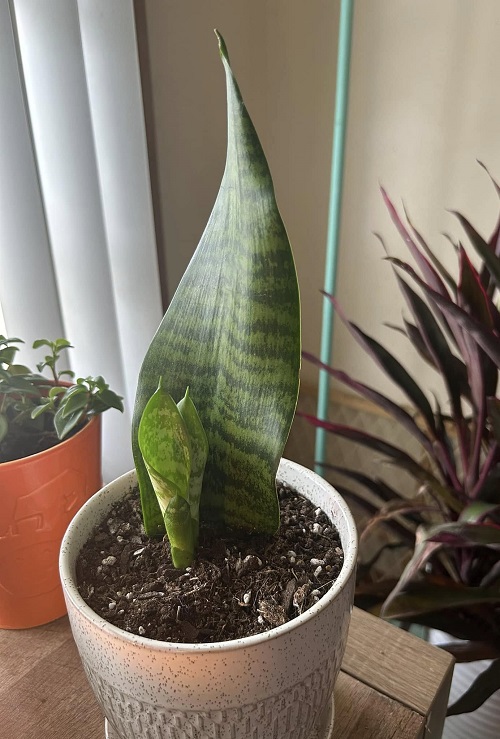
Snake plants are slow growers. Many people assume the propagation has failed if roots don’t appear in a few weeks and discard the cutting prematurely. But do you think it is possible? Growth takes time and patience and that is what your little snake plants need during this time.
Be patient. Rooting can take anywhere from 4 to 8 weeks, sometimes longer depending on temperature and light conditions.
7. Say No to Low Light or Harsh Sun
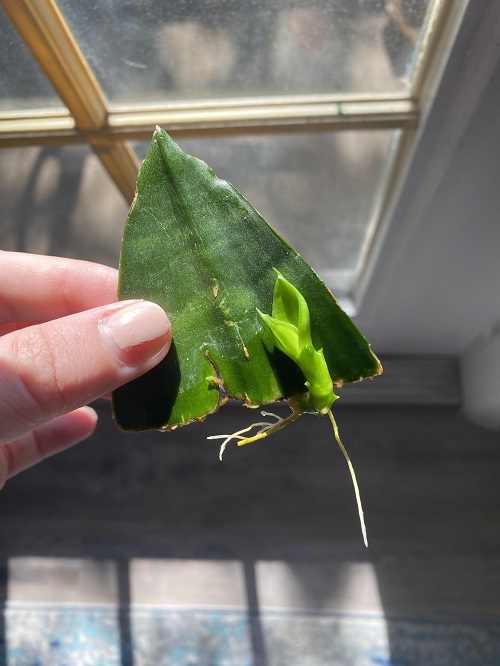
Placing cuttings in deep shade slows root development, while direct sunlight can scorch them and dry them out too quickly. Strike a balance and keep the cuttings in bright, indirect light for optimal growth.
8. Ignoring Temperature and Season
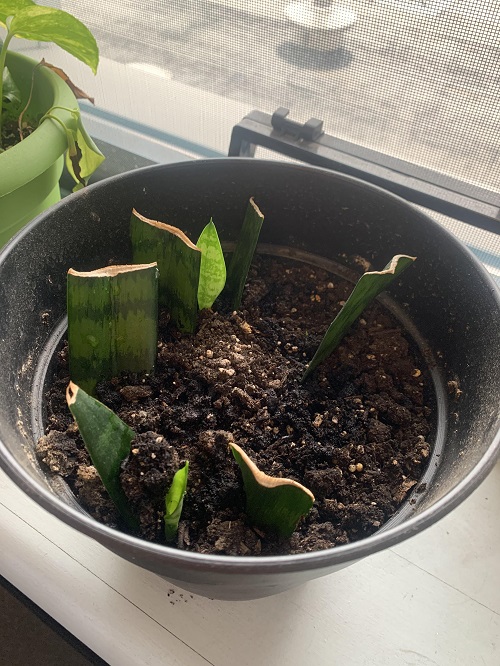
Propagation during cold months or in drafty areas often fails due to slowed metabolic activity. Propagate during spring or summer, not in winters and keep cuttings in a warm environment.
Propagation during cold months or in drafty areas often fails due to slowed metabolic activity. Propagate during spring or summer, not in winters, and keep cuttings in a warm environment.
Snake plants are slow growers and one of the toughest soldiers you’ll see on the ground. But every tough and strong soldier is fed appropriately and grows that way. This is metaphorical to what your dainty friend seeks from you. Be mindful of these mistakes and see how they grow from dainty to the toughest one.