

If your Epipremnum aureum is struggling to look fuller, try these secret tips to let it drape and enhance your room with aesthetics.
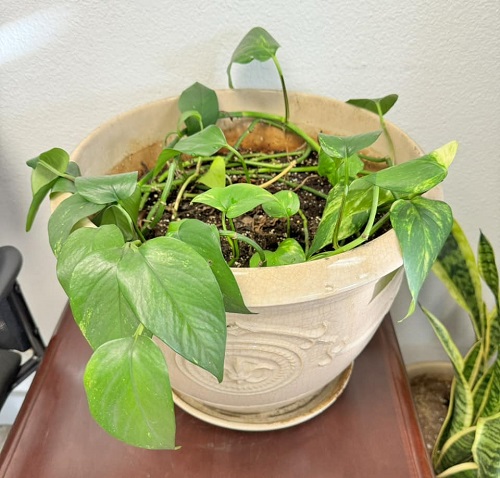
You will see Pothos trailing in most homes because they can thrive even with minimal care. Their trailing vines with heart-shaped leaves instantly beautify the corner of your room. But the long, leggy vines of them need your immediate attention, and these tips will help you grow them bushier.
Secret Tips to Make Pothos Bushier
1. Prune Regularly

The most common trick for increasing pothos growth is pruning. When the vine is trimmed, the plant redirects its energy to produce new shoots near the cut point.
Now, this single vine has multiple growth points, which will later produce leaves and vines, making the plant denser. Use sterilized and sharp scissors for this purpose. Trim back the leggy vines by at least 2–4 inches.
Always cut just above a node (the point where leaves grow), as this is where new growth will emerge.
Tip: Prune during the growing season (spring and summer) to encourage faster growth.
2. Create Clown Cluster

After pruning your pothos, use those cuttings. Won’t it be better to grow them back in the same soil? If your money plant has just one or two vines, try this, and you will see that with time, the pot will fill with multiple vines.
For this, a healthy vine with 2–3 nodes must be selected, and they must be rooted in water or soil. Once you see roots, plant them back in the original plant. This will turn your sparse pothos into a lush plant.
3. Bend and Pin the Vines
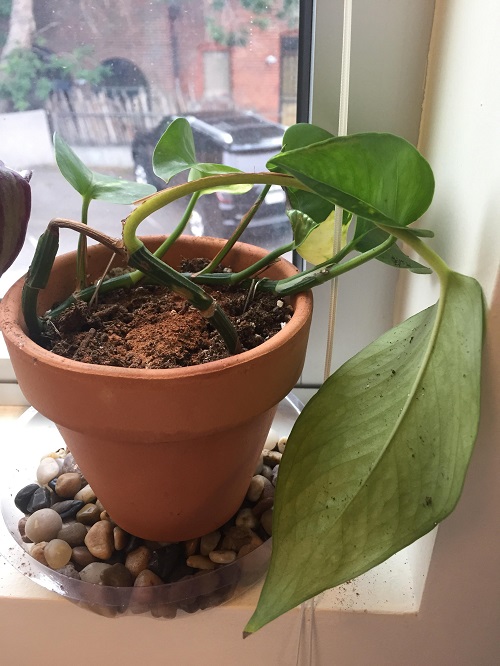
If you don’t like pruning your plants, you can try this method. Bend them back into the pot and pin them onto the soil surface using garden pins. The right place to pin them is 1 inch from the node, so the node touches the soil.
This technique is also called layering and works very effectively for trailing plants like pothos.
Each node that touches the soil can develop new roots and shoots, leading to additional growth in the same pot. And, eventually, the plant produces more stems, making it naturally bushier.
Tip: Remove the pins after a week or after you see root growth from the nodes.
4. Shower some Light
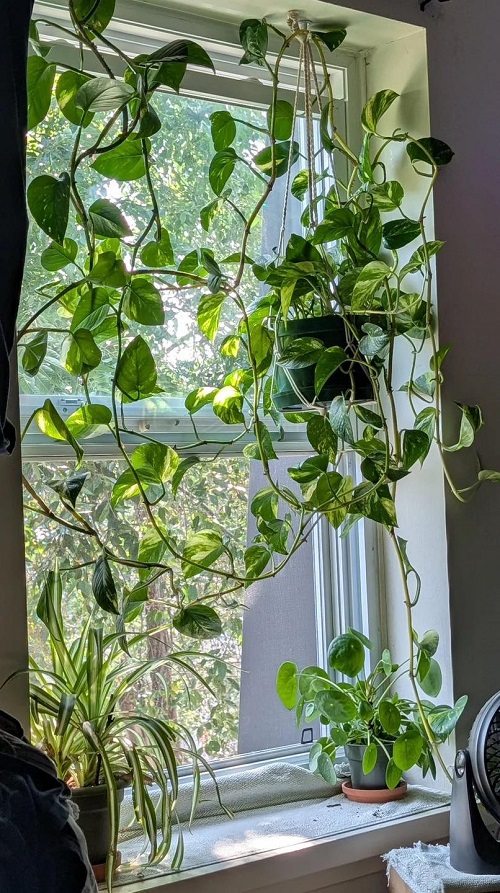
While pothos can survive in low light, it thrives and becomes fuller when exposed to bright, indirect light. Low light often causes long, stretched vines with fewer leaves and a large gap between nodes. In brighter light, the internodes shorten, and growth becomes more compact.
An east-facing window will work well for them. Avoid prolonged exposure to harsh, direct midday sun, as it can scorch those beautiful leaves.
5. Rotate the Plant Frequently

If you notice growth only on one side, it needs to be rotated. It is because the light is coming only on that part of the plant, and the vines tend to grow toward the light source, leaving the other side sparse. Rotate the pot every 1-2 weeks to ensure that all sides receive even light, encouraging balanced and bushier growth.
This simple habit prevents your plant from becoming lopsided over time.
6. Pinch the Growing Tips
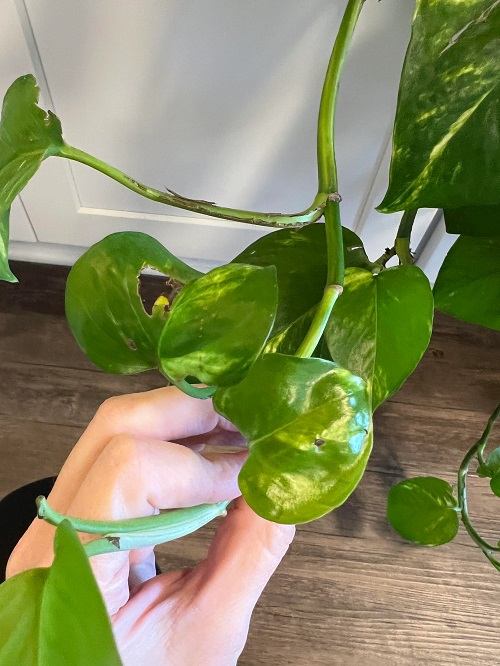
The growing tip, where fresh leaves are forming, is the soft and newest part at the end of a pothos. It is responsible for directing the plant’s energy toward vine lengthening. Look for that tip and pinch the node with fingers or small sterilized scissors.
When you do this, the plant temporarily stops focusing on extending that single vine and redirects its energy to its nearby nodes. These nodes become active and start producing new side shoots and leaves, resulting in thicker pothos.
7. Train them for support
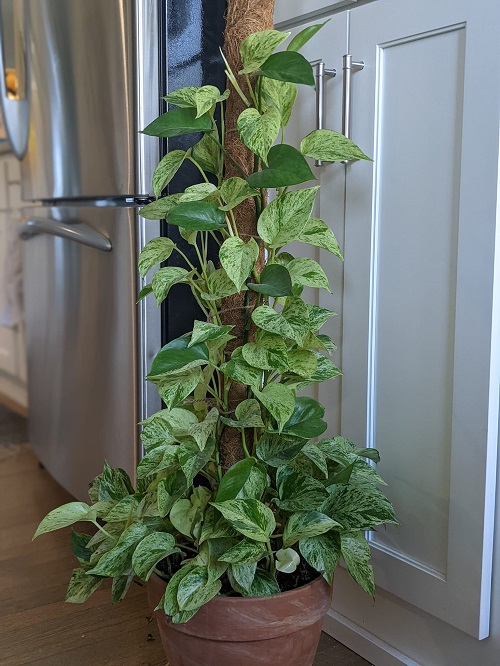
Support will make your pothos fuller when it climbs. When it grows upwards on a moss pole or trellis, it produces larger and denser leaves. It activates the aerial roots of pothos, stimulating stronger and thicker stems. This structure mimics its growth in tropical forests, where it climbs trees and spreads densely.
Gently secure the vines to a moss pole and keep the pole slightly moist to encourage rooting. Climbing growth will produce stronger, thicker stems rather than trailing vines.
8. Prune Aerial Roots when needed
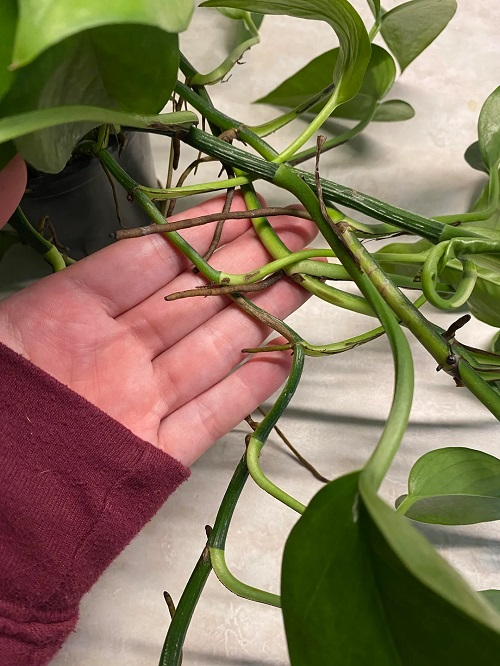
Cutting back those lengthy or dried-out aerial roots on your pothos helps the plant redirect its resources. Instead of pouring energy into root expansion, the plant can then concentrate on producing more leaves and branching out. This, in turn, fosters a fuller, more robust appearance.
Light trimming also keeps the plant tidy and clean, especially if the vines are hanging from shelves or planters. Avoid removing all aerial roots at once. It is best to trim only the long or messy ones.
Tip: Don’t trim the aerial roots if your pothos is growing on a moss pole, trellis, or wall; they help it climb and anchor itself. In such cases, leave them intact so the plant can grow vertically.
9. Keep the Plant Clean

Indoor plants collect dust in the long run, and the larger surface area of the pothos leaves attracts dust, which easily settles on them. If you forget to clean them regularly, then you may see a gloomy plant with a reduced growth rate.
The accumulation of dust reduces photosynthesis and slows the plant’s functionality. Gently wiping the leaves with a soft cloth every few weeks can help the plant stay fresh and active.
You can also occasionally rinse the plant under a gentle shower to clean multiple leaves at once.
10. Opt for accurate pot

A pot with enough drainage holes and a medium size is preferred for pothos to prevent root rot. A tall and thin pothos needs a container change. Use a slightly wider pot that allows more stems to be planted, encouraging horizontal root spread. Ultimately, if the root system is healthy, you will notice bushier pothos. Terracotta pots can slightly restrict root overgrowth, helping your plant focus energy on producing more foliage above the soil line.
11. Feed with Balanced Fertilizer
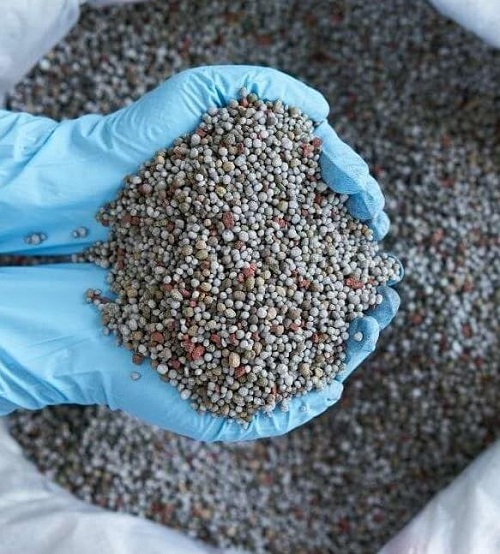
A nutrient boost can encourage denser foliage and larger leaves. Use a balanced fertilizer (such as 10-10-10 or 20-20-20) and dilute it to half-strength. Feed this during the growing season, i.e., spring and summer, to promote active branching and leaf production.
This mixture needs to be fed every 4-6 weeks, but if you live in a warm tropical climate, you can feed it once a year. Avoid overfertilizing, as excess nutrients can damage the roots. Prevent this by flushing the soil with water every quarter to prevent salt buildup, which can inhibit proper nutrient absorption.
12. Add Worm Castings
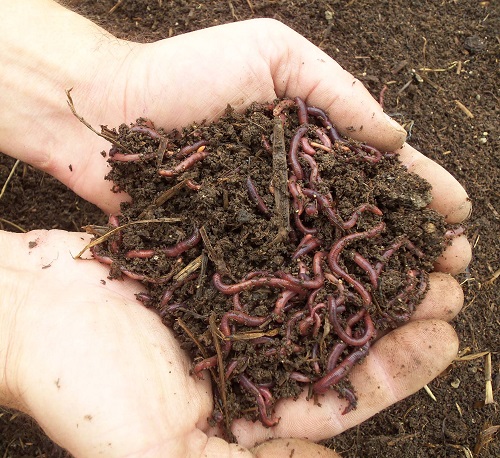
If the soil is healthy, your plant will be healthy. Worm castings, also called vermicompost, gradually release essential nutrients, including nitrogen, phosphorus, potassium, and beneficial micronutrients. They support steady leaf production, stronger stems, and healthier roots of your pothos.
Add 1–2 tablespoons of worm castings into the top layer of soil and mix it into the upper inch of soil. Water them afterward, so nutrients slowly seep into the roots.
You can repeat this every 1–2 months for continuous gentle feeding.
Extra Tip: Worm castings are mild and organic; they rarely burn plant roots, thus making them ideal for steady nutrition rather than heavy fertilization.
Turning a pothos bushier does not require any specific skills. You only need to try these secret tricks, and they will captivate your eyes with their broad leaves and dense growth. Give these a try and let us know if it really works!