

It is time to move ahead from roses and discover different types of rosette succulents perfect for indoor and outdoor gardens.
Rosette succulents are loved for their symmetrical, rose-like leaf arrangement, which not only makes them visually striking but also helps conserve water efficiently. Keep them as indoor plants or as bold outdoor statement pieces, and they’ll bring power, boldness, and aesthetic appeal to your abode anyway.
Different Types of Rosette Succulents
1. Echeveria
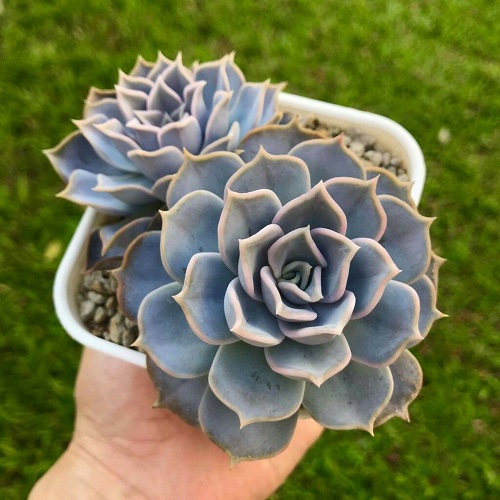
Botanical Name – Echeveria
Echeverias are among the most popular rosette succulents. They are popular for their soft, pastel-colored, shaded leaves. Have you ever seen their tight and symmetrical rosettes? They perfectly resemble blooming roses. But hey, don’t forget that Echeveria thrives in bright light and is ideal for containers, so create an environment that suits them.
2. Tree Houseleek
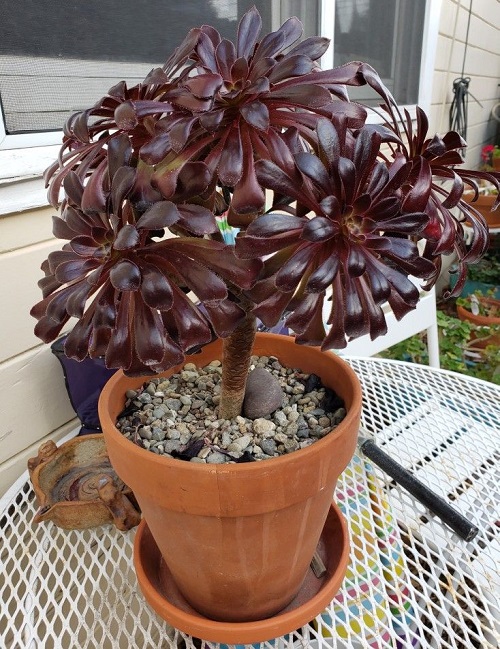
Botanical Name – Aeonium spp.
Aeoniums love drama because they form large and dramatic rosettes on branching stems. Unlike most succulents, they grow actively in cooler months. And with every passing hour under the sunlight, their glossy leaves turn into darker colors.
3. Hens and Chicks
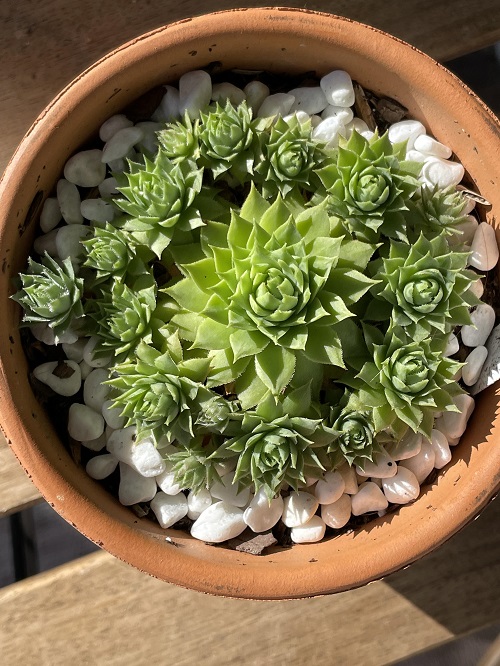
Botanical Name – Sempervivum tectorum
These resilient rosette succulents produce clusters of offsets around a central “mother” plant. Their pointed leaves form dense, geometric rosettes that bring a perfect rose-coded look for rock gardens and outdoor settings.
4. Pearl Plant
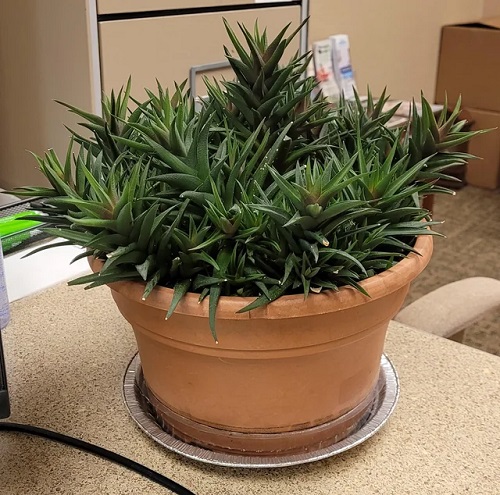
Botanical Name – Haworthia
Haworthias form compact rosettes with thick and shiny translucent leaves. They are well-suited for indoor environments due to their tolerance for low light. But mind you, their subtle beauty appeals to minimalist plant lovers and anyone sitting around the center table where you have kept them.
5. Aloe Vera
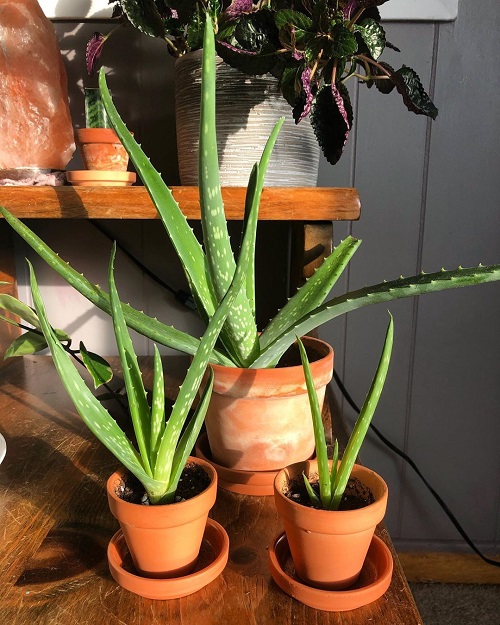
Botanical Name – Aloe barbadensis miller
Many aloe species grow in distinct rosette patterns with fleshy, spiked leaves. While some varieties grow large, others remain compact and decorative. Known for both ornamental and medicinal value, these helpful beings are not only an aesthetic charm but also a natural remedy.
6. Leatherpetal

Botanical Name – Graptopetalum
Often called the ghost plant, Graptopetalum forms loose and pastel rosettes. The leaves can change color depending on light and stress. Being super easy to propagate and beginner-friendly, it is loved by people who love minimalism but with colors.
7. Moonstones
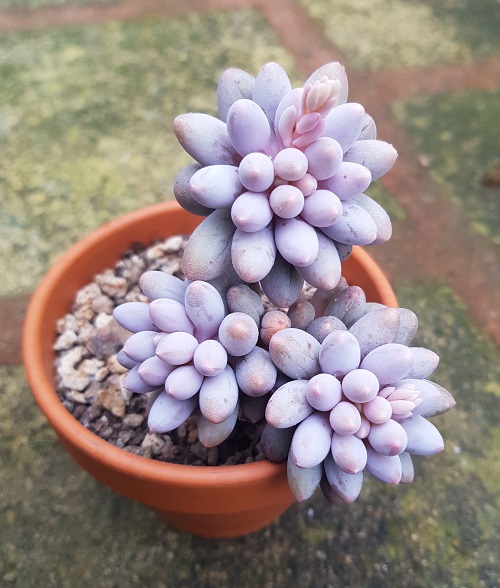
Botanical Name – Pachyphytum
These adorable species have thick, plump leaves arranged in soft rosettes. Their chubby appearance gives them a sculptural, and an almost unreal look. But be careful, they prefer bright light and dry conditions.
8. Liveforever
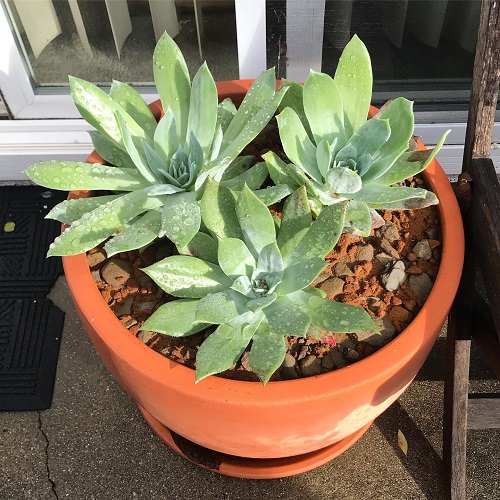
Botanical Name – Dudleya
Did you confuse them with echeveria’s? Don’t worry, most people do. Dudleyas form chalky, powder-coated rosettes. They are drought-tolerant and thrive in rocky environments.
9. Mountain Rose
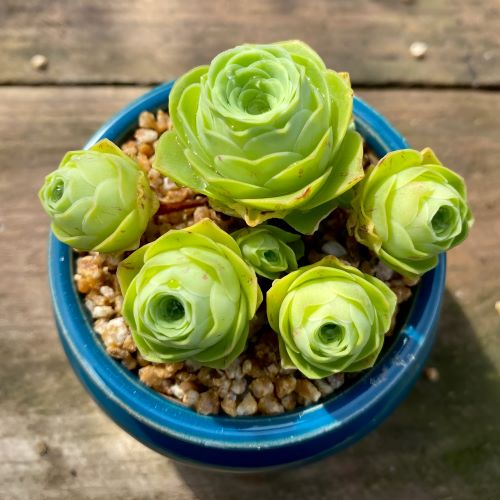
Botanical Name – Greenovia dodrantalis
Greenovias are famous for their tightly closed rosettes that resemble rosebuds. They open gradually during the growing season but are extremely adored for their floral appearance.
10. Century Plant

Botanical Name – Agave
Agaves form large rosettes with stiff and pointed leaves. Though they are slow-growing but they make striking landscape plants. Did you know that some species live for decades before flowering once?
11. Ox Tongue

Botanical Name – Gasteria
Gasterias form compact rosettes or spiral and striped leaf arrangements with thick and textured leaves. They adapt well to indoor conditions and low light, and their patterns bring a calming view to your eyes without bold colors.
12. Chinese Hat
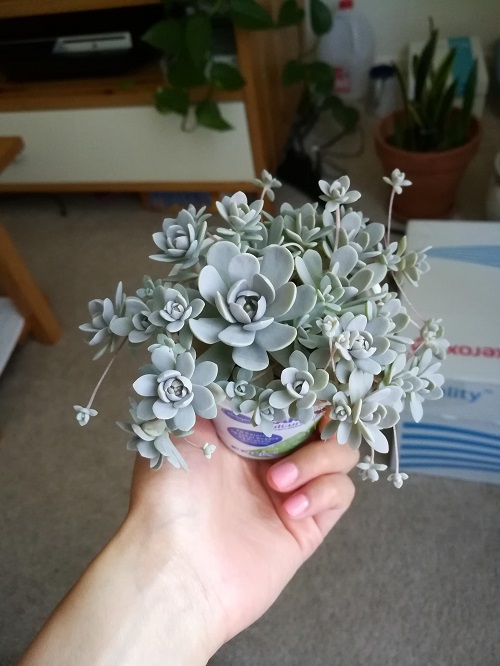
Botanical Name – Orostachys
These lesser-known succulents are so underrated. They produce tight and lotus-like rosettes. They are cold-hardy and suitable for alpine or rock gardens, and their form remains neat and symmetrical.
Rosette Succulents are the perfect alternatives to having something on the lines of roses for your home. If you feel roses perish fast, these are the alternatives you can bring to enlighten and warm up your place. Let us know your pick in the comments below!