
Learn the silent signs that your snake plant is suffering from cold stress and how to fix it, to protect them from damage and dying.
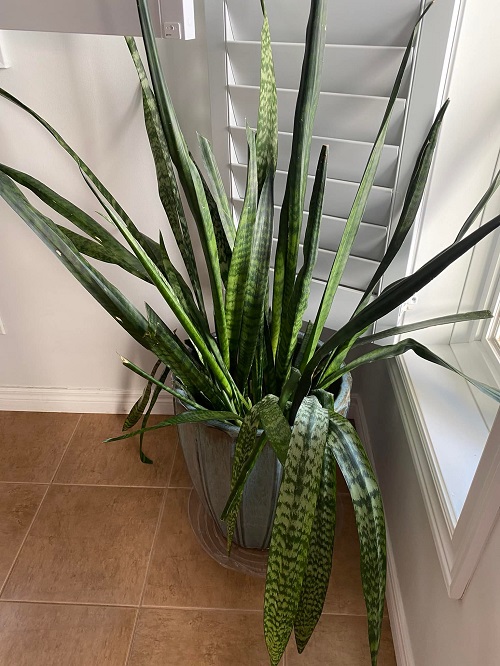
Snake plants are immensely tough. But that doesn’t mean they’ll remain like that forever if we do everything against them. One of the biggest threats to these resilient plants is cold stress. Since they love warm African climates, exposing them to low temperatures can quietly damage them before you realize something is wrong.
Silent-Signs Your Snake Plant Is Cold-Stressed
1. Soft, Mushy, or Watery Leaves
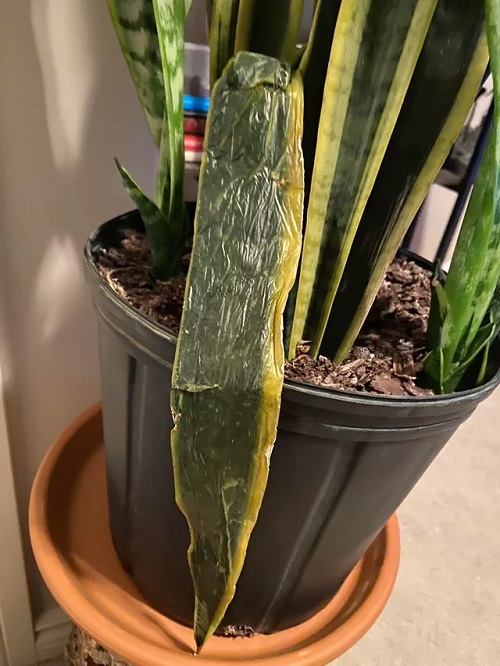
Are the leaves mushy and soft? Stop and take care! When exposed to low temperatures, the plant’s cell walls rupture, causing leaves to feel soft and water-soaked. This happens because cold breaks down plant tissue and disrupts moisture regulation. Move the plant to a warm indoor spot and avoid touching or trimming mushy areas until the plant stabilizes.
This damage often begins at the base of the leaves, where cold air settles the most.
2. Yellowing or Pale Patches
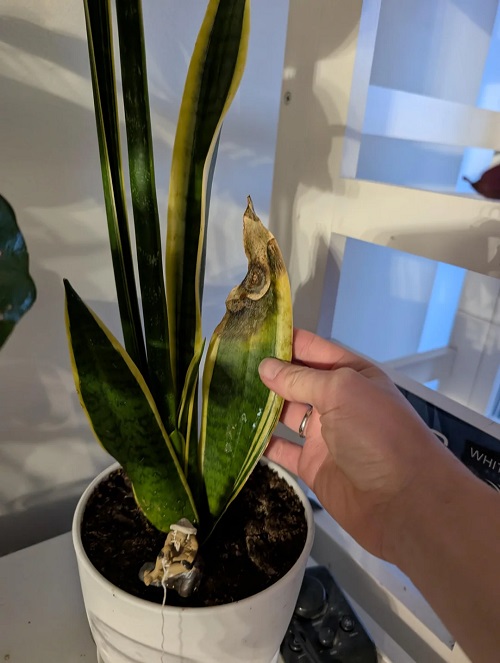
Cold stress often causes chlorophyll breakdown, leading to yellow patches mostly near leaf tips or outer edges. For a quick fix, try improving and experimenting with light exposure gradually. Keep near a sunny window but away from drafts. And do not fertilize until growth returns.
Fertilizing during cold stress can worsen damage instead of helping recovery.
3. Drooping or Collapsing Leaves
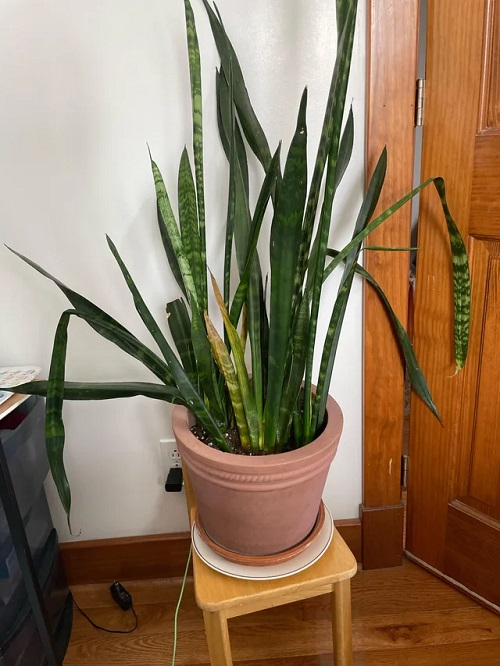
Snake plant leaves should stand upright. If they suddenly droop or crease, cold stress may be weakening their internal strength and structure. Try providing gentle support using stakes. Increase warmth but avoid sudden temperature changes to not shock the plant and add more tension.
Once structural damage happens, affected leaves may not fully regain stiffness, but new growth will.
4. Brown and Crispy Tips

Cold air dehydrates leaves, causing brown tips that resonate when there is underwatering damage. Increase humidity slightly but not too high, and keep the plant away from AC vents and open windows.
Dry winter winds from fans and heaters can make this problem worse.
5. Slow or Completely Stopped Growth
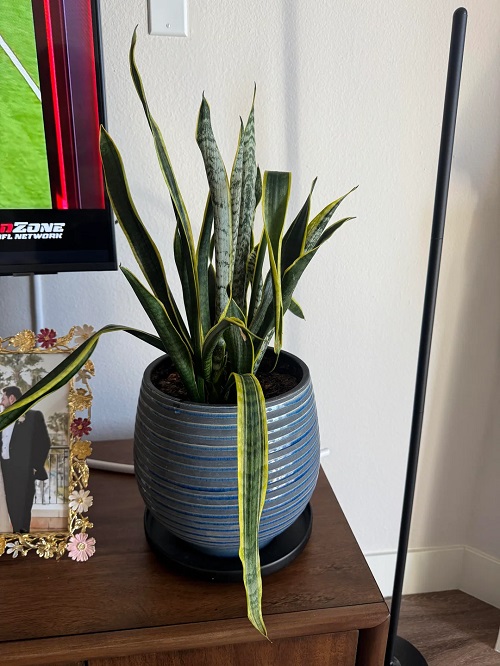
Snake plants naturally slow down in winter, but complete stagnation, especially after sudden cold exposure, means there is stress. Maintain stable warmth and reduce watering. Cold-stressed plants hate excess moisture.
Growth usually resumes only when temperatures stay consistently warm for a few weeks.
6. Soil Stays Wet for Too Long
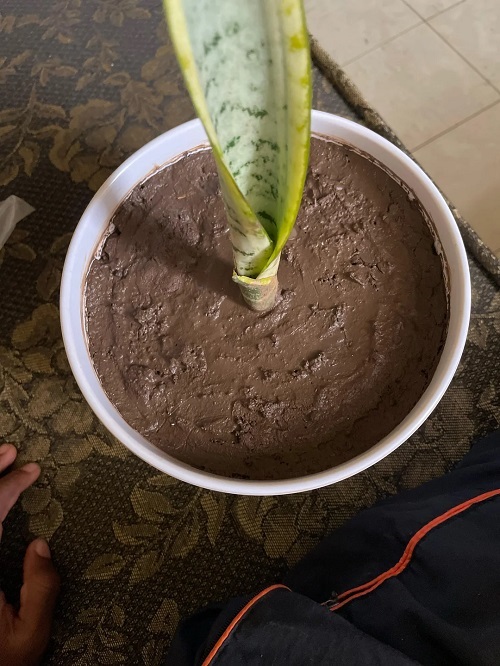
Cold conditions slow evaporation and root activity. If your soil remains wet for more than a week, roots may be resting in chill. Move to a warmer area and switch to fast-draining soil. Allow at least 2–3 inches of soil to dry before watering again.
Cold, wet soil is one of the fastest ways to trigger root rot in snake plants.
7. Leaf Color Turning Dark or Translucent

Darkened or glassy patches are the most visible signs of frostbite in plants. Immediately cut back watering and put them in a warm area. Trim only when the damaged part fully dries.
These patches usually appear overnight after exposure to very low temperatures.
How to Fix Cold Stress Fast
1. Move Your Plant to a Stable and Warm Location
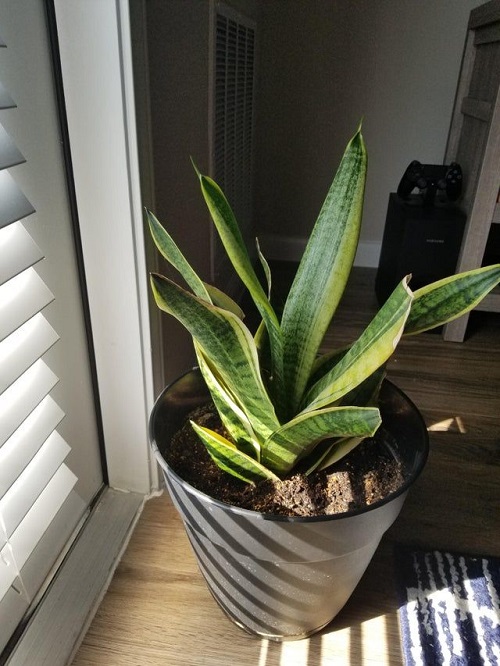
Avoid windowsills during winter nights and drafty corridors. Snake plants need consistent warmth to recover, prefer temperatures between 18–27°C.
Night temperatures below 10°C can be especially harmful.
2. Warm It Up but Gradually
Never expose a cold-stressed plant to sudden heat. This can shock the plant due to a sudden temperature shift. Gradual temperature increase prevents shock and cell damage.
3. Adjust Your Watering Schedule
Cold-stressed plants are extremely vulnerable to root rot. So, water only when the soil is completely dry. Less water is always safer than overwatering during recovery.
4. Improve Soil Drainage
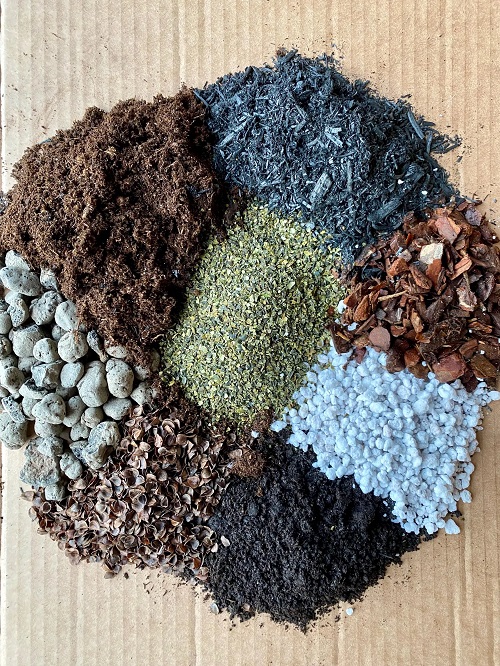
Use a well-draining mix. A DIY recipe is to take 2 parts cactus or succulent soil and 1 part perlite. It is optional to add 1 part pumice. This prevents water retention during recovery. Good drainage helps roots breathe and speeds up healing.
5. Trim Only Dead or Dry Leaves
If leaves turn completely brown and crisp, remove them. But if they’re mushy, wait until they dry—this avoids spreading stress.
6. Increase Light
Place your snake plant near a bright east- or south-facing window. Light boosts photosynthesis and healing. Avoid harsh direct sunlight, as stressed leaves can scorch easily.
7. Avoid Repotting
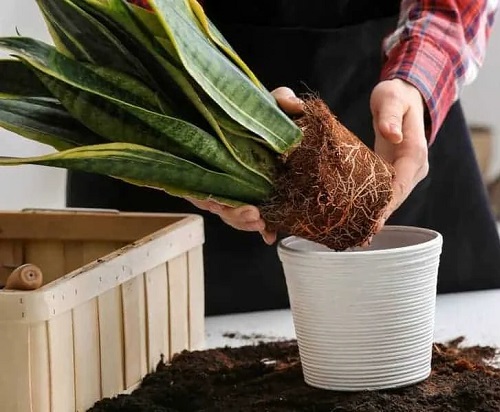
Repotting adds to stress in an already vulnerable situation. Only repot after your plant shows new growth. New shoots are the clearest sign that your plant has recovered.
Snake plants are hardy, but cold stress can silently kill your best friend. Learn the signs to identify cold stress and protect your buddy while you twist and tweak their care routine. Let us know which hack worked for you the best in the comments below!
👉 Watch this related video for additional context