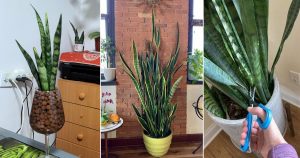

A snake plant that never gets bushy? Seems like a problem, but not for long. Check these few mistakes, and you’re good to go and grow it!
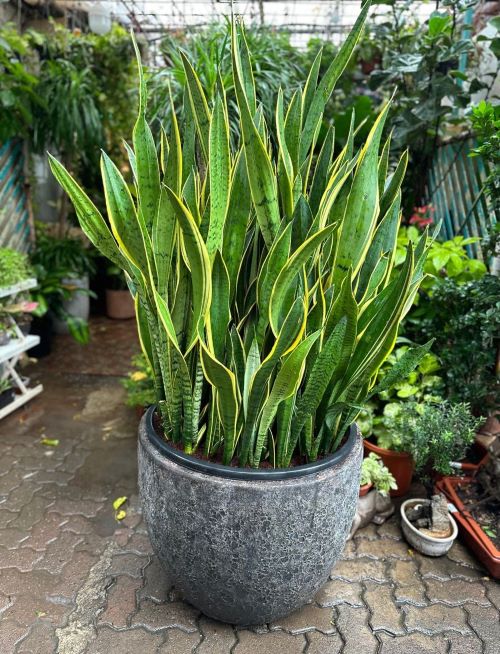
If your snake plant looks like a single growing stick and not bushy or lush and plump, then you’re not alone. Many of our gardener friends are confused about how slowly these resilient plants grow. But is it slow-growing, or something else?
Reasons why your Snake Plant is not Growing Bushier
1. Snake Plants have a Slow and Steady Growth
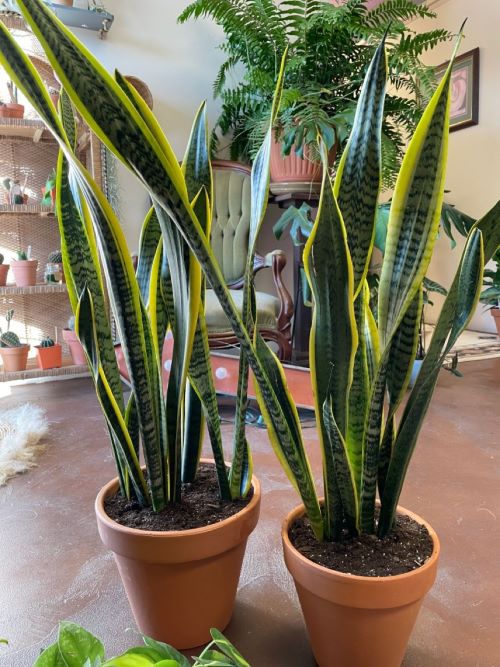
We all understand that snake plants are xerophytic succulents, which means they conserve water in their leaves to survive in harsh and dry conditions. They use a special form of photosynthesis termed Crassulacean Acid Metabolism to take in CO₂ at night and minimize water loss, making them extremely drought-tolerant but naturally slow growers.
So if you’ve had your snake plant for a couple of years and it’s just barely grown or changed, visibly, to you, it might be completely normal for them.
2. Let There Be Light! (But Smartly)
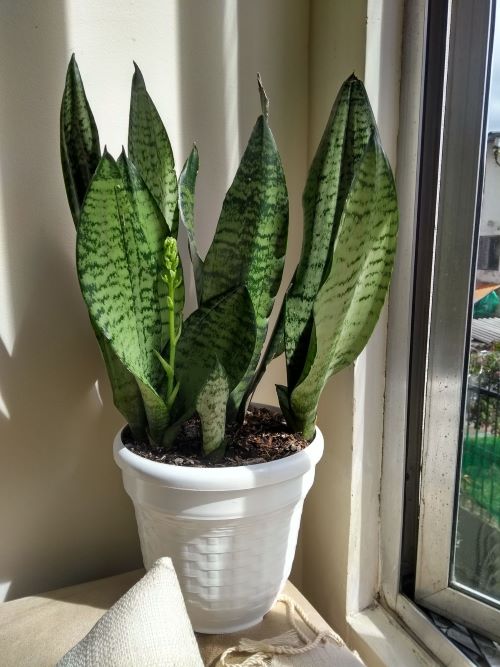
Many snake plant owners put them in a dark corner and think they’ll grow. Perhaps. These plants tolerate low-light, but they won’t thrive or become bushy without enough light. In low light, they don’t generate sufficient energy for new leaves.
Try moving it near a bright window, and you’ll see how it suddenly glows up and starts growing pups or small offshoots. That, right there, is the power of light in growth.
Some research suggests that plants generate and respond to electrical signals under different light conditions, which correlate with photosynthetic activity. This makes it easy to conclude that light isn’t just about strength, it’s about communication within the plant, not only to grow but to develop as well.
3. Watering Routine
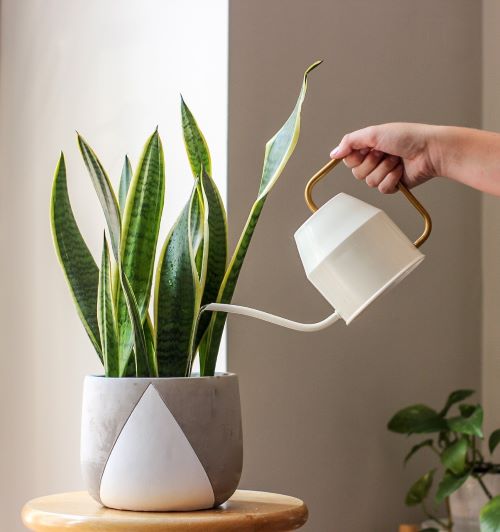
People talk about snake plants needing almost no water, but extremes of everything are bad, which leads to slow growth. Overwatering keeps roots wet and can lead to rot, and too little watering stresses the plant into survival mode. Both situations cause the plant to prioritize maintenance over new leaf shoots.
So, water deeply only when the soil is completely dry. Check this by inserting your finger about an inch into the soil; if it feels wet, you have the cue not to water it yet. They love dry soil, not soggy soil.
4. Balance the Pot Size and Roots
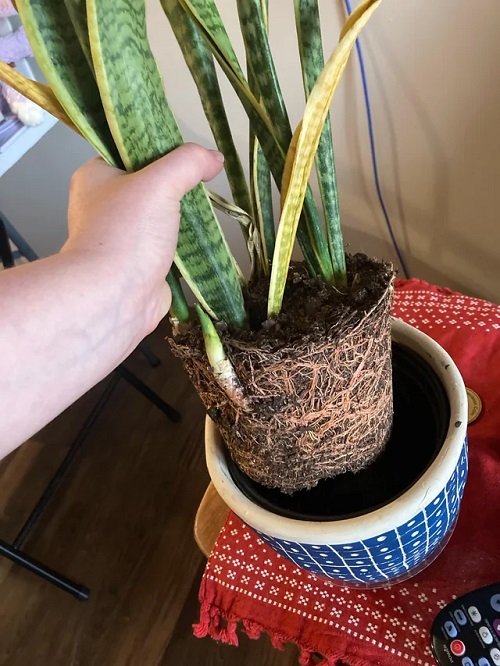
Unlike many plants, snake plants like being slightly root-bound. But if the pot is too small, roots get crowded and can’t support new growth. If it’s too big, soil stays moist longer than the roots can handle, which leads to rot.
We all love repotting and decorating our pot, with stones, pebbles, over the ceramic pot. But did you know that the soil can stay wet for weeks in such a pot? Growth can be hampered until we move it in a terracotta pot with drainage holes.
5. Soil and Nutrients: The Hidden Growth Factor
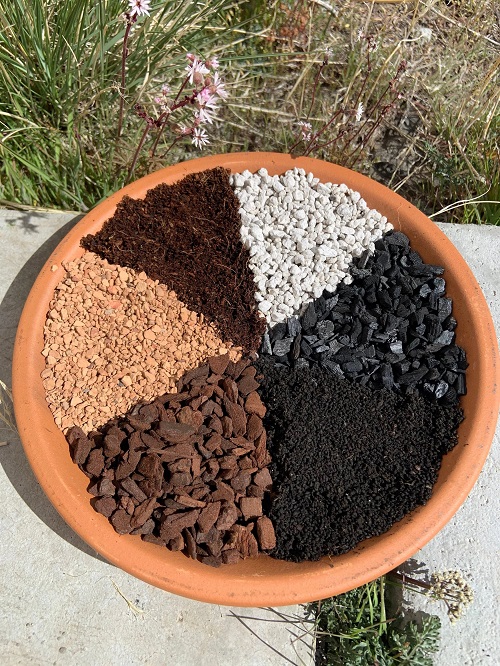
Snake plants don’t require heavy fertilization, but no nutrients is equivalent to no energy for new growth. Over the long term, potting mixes lose nutrients, and without fresh soil or occasional feeding, the plant can stay alive but not bushy.
Try fertilizing lightly in spring or summer in half-strength and repot every couple of years with cactus or succulent mix.
6. Temperature Stress and Seasonal Dormancy
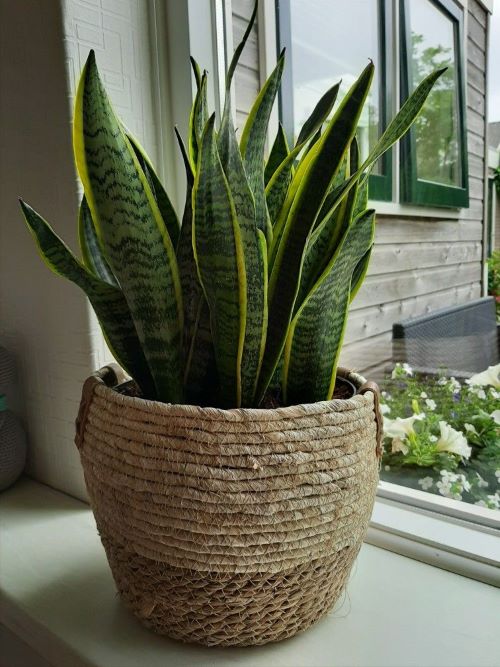
Snake plants slow their growth in cooler temperatures. If your plant has been chilly in winters or kept near drafts, it will conserve energy rather than produce new leaves. Seasonal shortening of daylight also induces a slow-growth mode, similar to dormancy.
7. Hormonal and Biological Factors
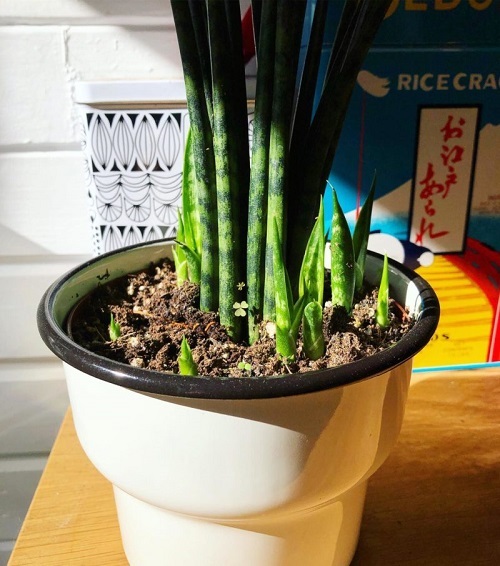
Never thought about it right? But scientific research on in-vitro regeneration of snake plants shows that growth hormone regulation like auxins and cytokinins found in bean sprout extracts can influence new shoot development.
So all in all, stop first. Your snake plant is not defective or abnormal. It needs its own time and works at its own pace to become thick and bushier. Give it the right amount of care, avoid mistakes, and follow a routine while making sure that you keep shifting and rotating it toward the source of light. This will help it get bushier—this is our promise! Let us know in the comments below if anything else has worked for your snake plant.