
Do you want to grow Sansevieria with many pups all around? Here is the trick to make it crowded.
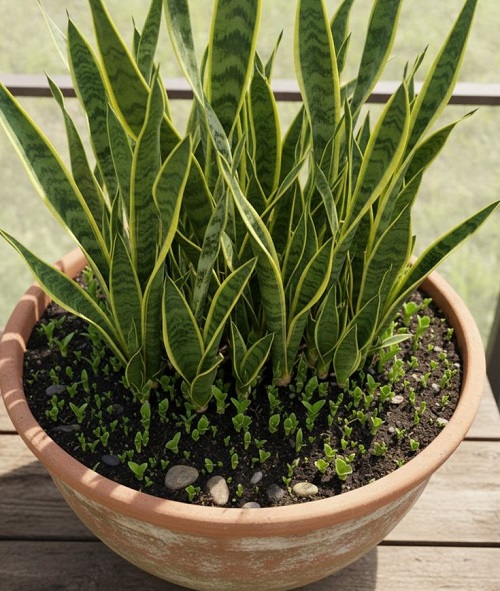
Dracaena trifasciata is famous for its firm, glossy, and sword-shaped leaves. So, don’t we need more of them? When the babies encircle the mother, it beautifies the plant even more. But many people face a common problem: the plant grows only on one side of the pot. If you want to grow them on all sides, read the guide below for proven tips that have worked for many experienced gardeners.
Why do Snake Plant Pups Grow Only on One Side?
Snake plant pups grow from underground rhizomes, thick, root-like stems. These rhizomes naturally move toward open space, light, warmth and less root crowding. If conditions favour only one direction, pups will appear only in one direction. Snake plant pups don’t grow evenly by accident.
You need to guide underground rhizomes using space, warmth, soil texture, and gentle stress. And then you can turn a one-sided plant into a full, balanced circled beauty with pups—just like the lush snake plants seen in tropical home gardens.
How to Produce Pups on all sides of the mother plant?
1. A Rhizome Path Under the Soil
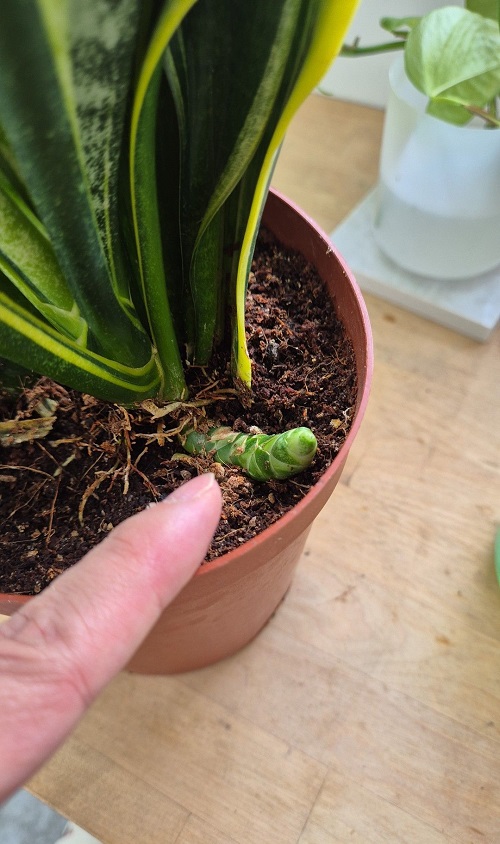
Guiding the path of your snake plant is essential, as they are like your children, and using their full potential is the secret only you know. Snake plant pups follow the path of least resistance underground. So, the trick is to loosen the soil around the snake plant when you are potting it in a circular path. Keep the center firm and edges slightly loose. This subtly guides the rhizomes to spread in all directions, like drawing mandala art under the soil.
This is a nursery trick, and to do this, you need to use a chopstick or pencil. Gently loosen the soil in a circular path about 2-3 cm from the edge of the pot, and do not damage the roots. This creates soft pathways that encourage rhizomes to spread evenly rather than in one direction.
2. Use a Clay Pot for Directional Balance
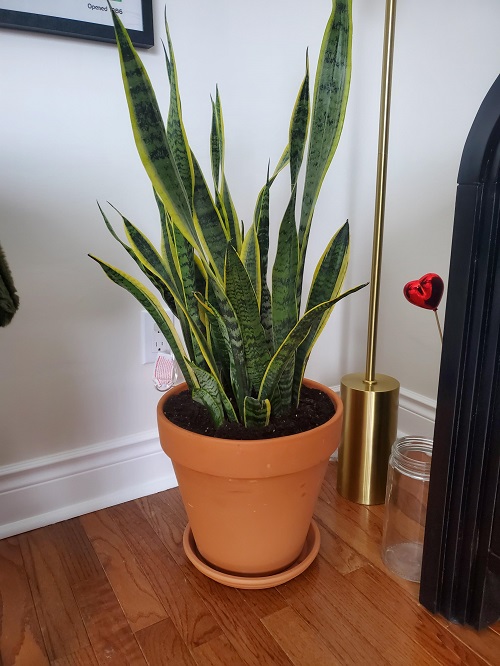
Terracotta or clay pots dry the soil evenly from all sides. Plastic pots stay wetter on one side, causing rhizomes to avoid wet zones. Clay breathes evenly, so the roots spread in all directions and prevent moisture buildup on one side.
Gardeners in hot and humid regions, such as coastal and tropical climates similar to those in Indonesia, swear by this method for balanced pup growth. Many growers see pups appear all around within one growth cycle, so you could try this method and see pups at the same time.
3. The “Half-Stress” Method
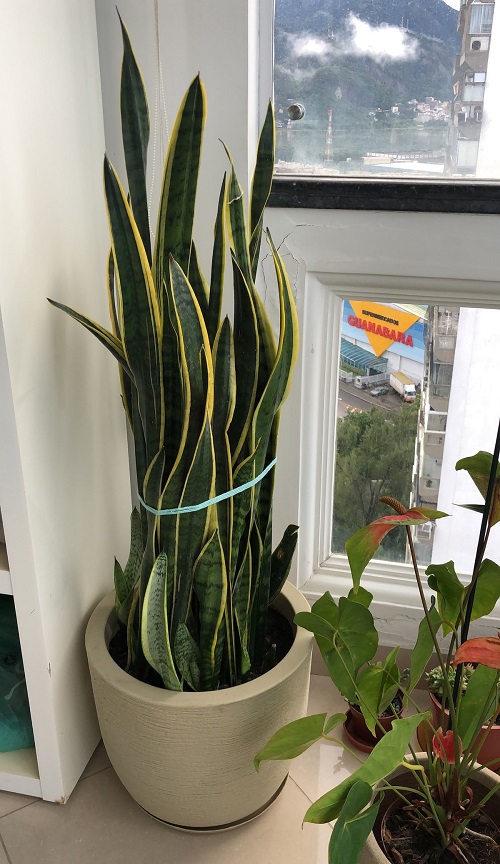
Snake plants standing, with their sword-like leaves, tell us they are ready to face war. They will produce pups when slightly challenged—but not stressed. To do it safely, you need to let the soil stay dry for 2–3 days, i.e., longer than usual. Then surprise them by watering it deeply once. This mimics dry-wet cycles common in nature and signals the plant to multiply.
Rhizomes of the Snake plant love warmth. To provide warmth, place the pot on a warm surface, such as a wooden shelf or a marble tile that gets mild sunlight. Do check that the surface is not hot. The ideal duration is 4 to 8 weeks, which is long enough for the roots and rhizomes to sense consistent warmth and start redirecting growth evenly. The suitable root-zone temperature should be 72–80°F to achieve a positive result. This method is especially effective in winter or cool rooms. Even warmth activates dormant rhizomes in multiple directions.
4. Bury the Rhizome Just a Little Higher
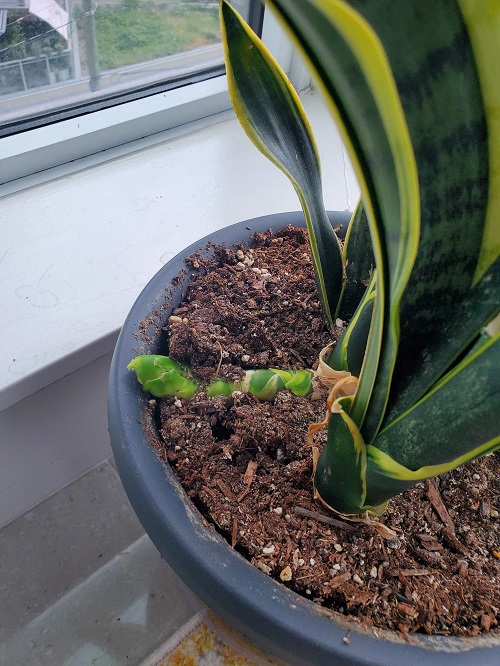
Most people plant snake plants too deeply, so you need to make a slight adjustment to keep the rhizome just below the soil level. Rhizomes closer to the surface branch out faster, encouraging pups to appear around the pot. The rhizome top should sit 0.5–1 cm below the soil surface, roots fully covered, without leaving the rhizome exposed to air. They should be visible by feel, not by sight.
When the rhizome sits closer to the soil surface, oxygen reaches it more easily, as they like air. So, more oxygen means more branching. Pups will not fight through thick soil, so they pop up faster and from multiple sides. In nature, snake plants often grow in shallow, rocky soil rather than deep burial, so this method mimics their natural environment.
5. Banana Peel Water Magic

This is a traditional, gentle nutrient booster which contains minerals, especially potassium and some micronutrients like Magnesium, Calcium and Phosphorus. Soak the banana peel in water for 12–24 hours, dilute 1:3 with water, and lightly water the plant with it. It acts as a biostimulator, improving germination and early growth. Potassium supports rhizome activity without pushing leaf-only growth and regulates water movement inside the cell.
Banana peel extracts have been used in scientific studies to improve growth parameters in some agricultural settings, especially when properly processed. It supports the underground conditions that trigger pup formation from rhizomes. The effect is indirect, gentle, and cumulative—which is why it works only when used occasionally. So, adding magical water to Snake Plant soil once every 2 months is enough to keep growth balanced.
6. Slightly Tilt the Pot (Temporary Trick)
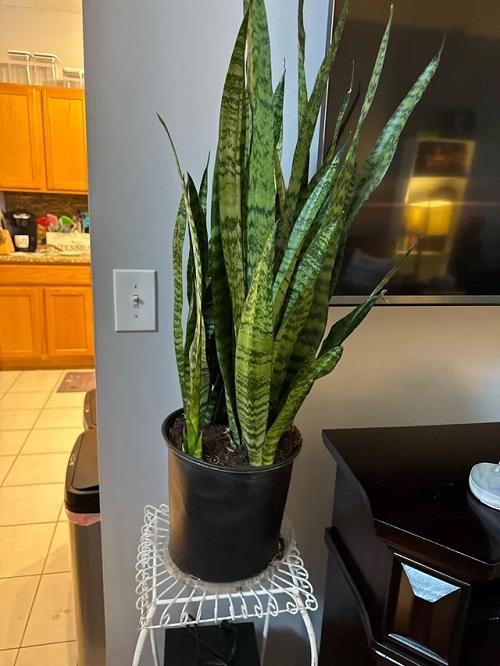
This sounds odd—but it works! Snake plants have gravitropic behaviour, i.e., their roots grow downward, and rhizomes grow sideways, guided by gravity balance and space. When a pot stays upright for a long time, rhizomes often choose one dominant direction, and pups appear only on that side. Tilting the pot disrupts this balance.
Tilt the pot slightly for 2–3 weeks, then return it to an upright position. This confuses gravity cues underground, causing rhizomes to redirect and emerge from new sides. Moisture also redistributes slightly, and hormones, especially auxins, move differently within the rhizome. This tells the plant that the current growth direction is unstable. So, the rhizome responds by branching and directing growth in all sides, resulting in pups emerging from multiple directions.
7. Avoid Cleaning the Soil Surface Too Much
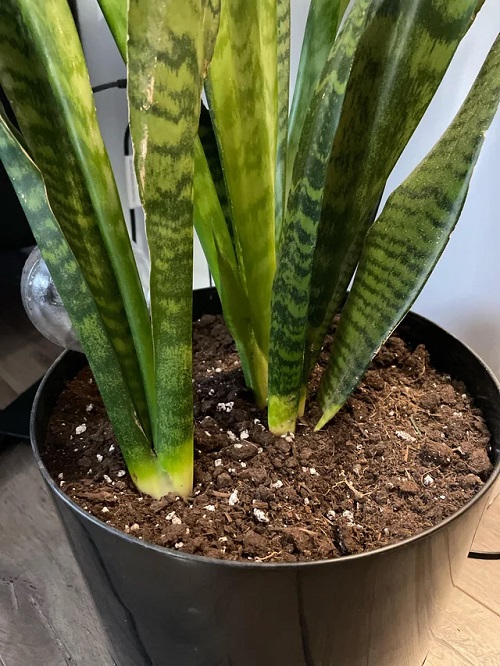
Snake plants evolved in natural, undisturbed soils, not in clean pots. A thin layer of natural debris mimics their habitat, helping the rhizomes to feel safe to spread and evenly. Instead of bare soil, add dry leaves, coco chips, or bark pieces. This keeps soil temperature stable and encourages underground spreading—similar to forest floors in tropical regions.
Snake Plants prefer stable, undisturbed soil, so avoid scraping it frequently and cleaning it aggressively. The clean soil of Snake Plant interprets as unstable ground, so it focuses on survival, not reproduction. Stable soil allows the rhizomes to expand sideways, resulting in pups from all around.
Getting snake plant pups on all sides isn’t luck—it’s clever positioning, using proper tricks, guiding rhizomes, and patience. So, do tell us in the comments, which method worked for your snake plant?