
Stop! Don’t do that to a fishbone cactus again. We have been seeing it, and it is time you avoid these mistakes to help your plant thrive.
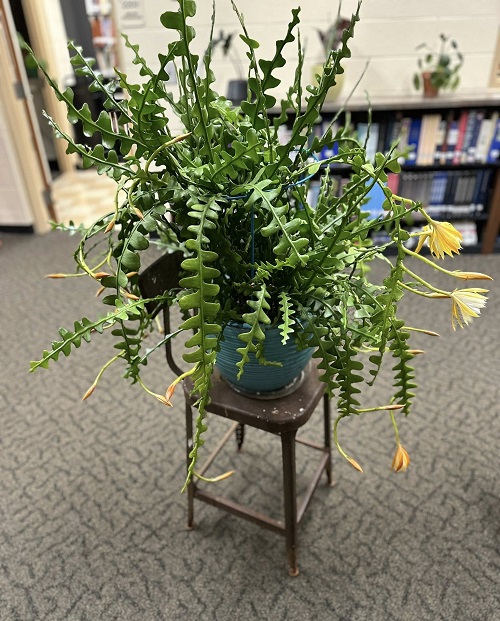
The Fishbone Cactus, or Epiphyllum anguliger, is a popular houseplant known for its wavy, zig-zag-shaped leaves and gorgeous trailing growth. Call it Zigzag Cactus, Ric Rac Cactus, or Orchid Cactus, you can never gauge how dainty and cute it makes your home. It is often grouped with other cacti, but the truth is that its care requirements are very different. And that is precisely something we don’t consider.
Things You Should Never Do to a Fishbone Cactus
1. It is not a Desert Cactus
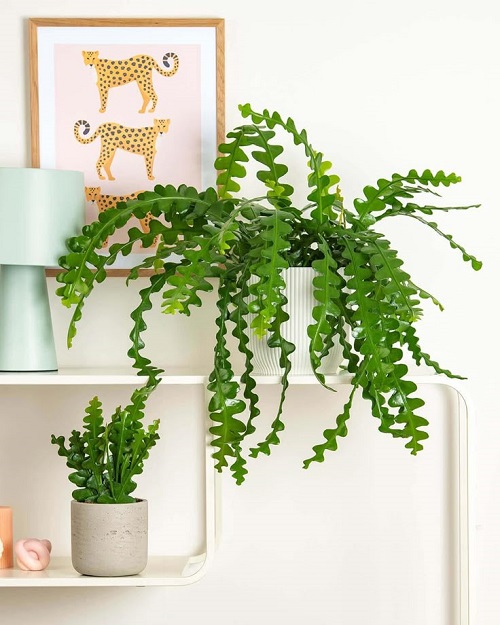
One of the most common mistakes we make is assuming the Fishbone Cactus is like any other desert cactus, because of the word ‘cactus’. But it originates from humid Mexican rainforests and grows naturally on trees. It absolutely hates dry air, full sun, or sandy soil.
Treating it like a desert cactus is where we go wrong. This leads to dehydration, sun damage, and poor growth. Instead, it needs moderate humidity, bright indirect light, and airy, organic soil.
2. Don’t Overwater or Underwater the Plant
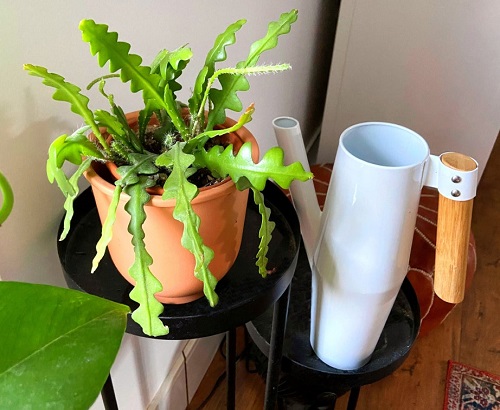
Now, if the cactus enjoys more moisture than its desert cousins, we might overwater. But, isn’t overwatering an established cause of root rot? So stop, avoid watering on a fixed schedule, or letting the plant sit in stagnant water. Want to know if your cactus is overwatered? Check if the leaves have turned yellow and become mushy.
But that doesn’t mean we will underwater; it is equally harmful. If the soil becomes too dry for long periods, the leaves may shrivel and limp. The correct approach is to water when the top one to two inches of soil feel dry. During the active growing season, keep the soil slightly moist, but reduce watering during winter dormancy.
3. A Big No to Harsh Direct Sunlight
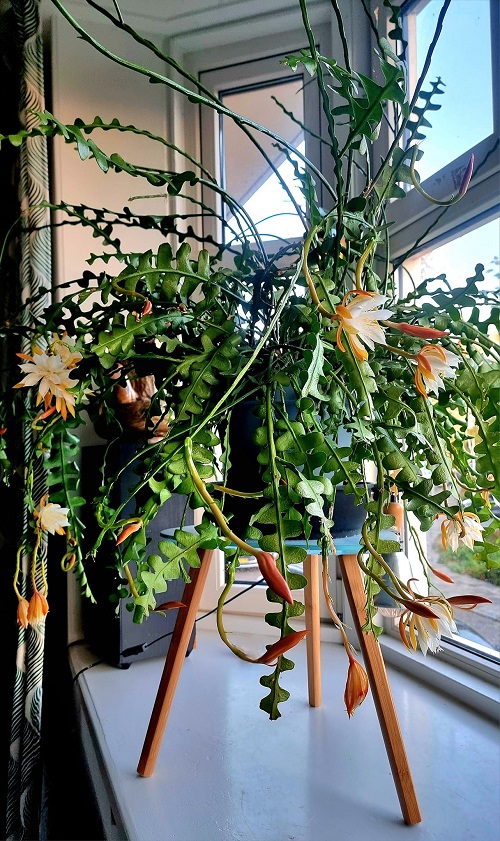
Although the Fishbone Cactus needs good light, harsh direct sunlight can burn its delicate leaves. Sunburn shows up as brown patches, crispy edges, or fading leaf color. The plant grows best in bright, indirect light or mild morning sun.
East-facing windows work the best, but west or south-facing windows may require sheer curtains to filter intense rays.
4. Never Use Dense or Heavy Soil
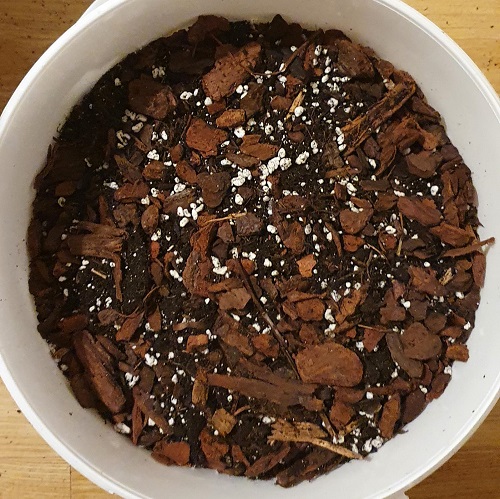
Dense soil is another common problem. Garden soil, compact mixes, or any other mainstream moisture-retentive mixes suffocate the roots and slow down drainage, which increases the risk of fungal infections.
The Fishbone Cactus requires a loose, breathable, and well-draining mix that mimics its natural habitat. A DIY mix of cactus soil, perlite, and orchid bark ensures proper airflow and drainage.
5. Moderate Humidity – Not Too Much or Too Little
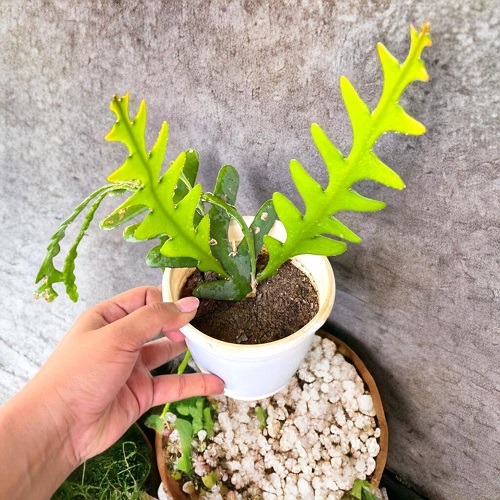
Although the Fishbone Cactus is tolerant, do not test its extremes. Very dry indoor air can weaken it over time. Rooms with constant air conditioning or heating can cause the plant to dry out.
So choose a place where you have moderate humidity this helps the plant maintain healthy growth. Occasional misting, a pebble tray, or placing it in naturally humid rooms like kitchens or bathrooms can be helpful.
6. Stop the Aggressive Pruning
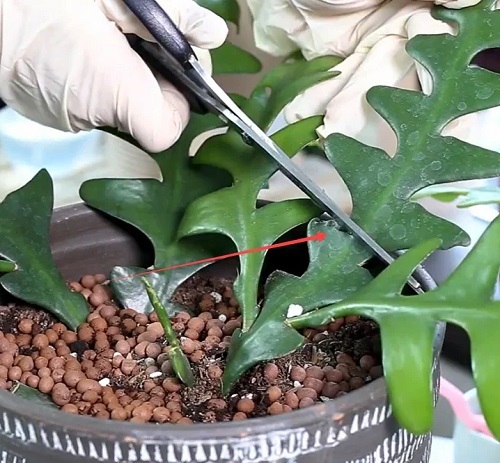
Pruning is useful for shaping the plant and encouraging bushier growth to bloom much better. But aggressive pruning can shock the plant and slow its development, adding onto stress.
Avoid removing multiple stems at once or pruning during the winter. Light trimming during the growing season is appreciated. Always use clean, sharp tools to prevent infection.
The Fishbone Cactus is a low-maintenance plant when cared for appropriately, and knowing what to avoid is just what you need. Now that you know what you should not be doing, let us know the most common mistake that you have been making for a very long time in the comments below.