
Getting your Stapelia to bloom can be a challenging task, but if you have a few things prepared, you’re safe! Read ahead to know more.
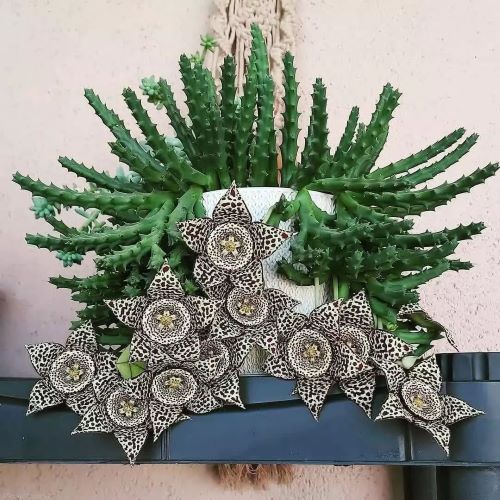
Stapelia, commonly known as the Carrion Flower, is a fascinating succulent admired for its star-shaped blooms and unusual appearance. Coming from southern Africa, Stapelia plants are relatively easy to grow but can be relatively stubborn when it comes to flowering. But you don’t have to fear anything, we got you!
How to Bloom your Stapelia
Many of our plant lover friends get excited by seeing Stapelia’s magnificent stems yet wait years to see a bloom. But don’t ever forget, the key to success, in making any succulent bloom, lies in mimicking its natural habitat as closely as possible. With the right balance of light, watering, soil, and seasonal care, you can encourage your Stapelia to bloom beautifully as well.
Well, since we have already mentioned how unique this plant is, did you know that these exciting succulents have the ability to mimic the scent of decaying matter, attracting flies and insects that help in pollination.
1. Light Lover
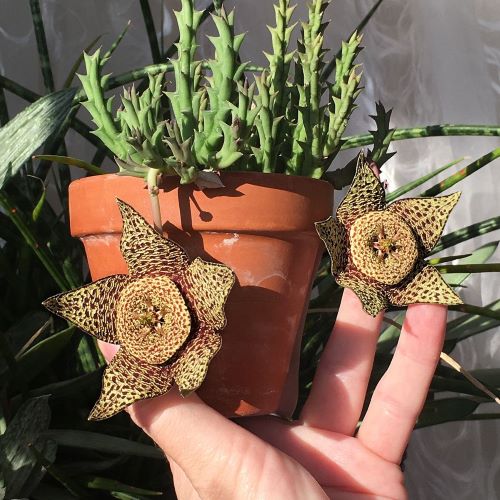
Mind you, Stapelia loves light. These plants thrive in bright, indirect sunlight. A spot near an east or south-facing window with filtered light is ideal. Too little light results in healthy-looking stems but no flowers, while harsh direct sunlight can cause sunburn and stress the plant.
If grown outdoors, place Stapelia in partial shade where it receives morning sun and protection from intense afternoon heat. Consistent light exposure helps the plant store enough energy to produce blooms.
If your Stapelia has never bloomed, insufficient light is often the main reason.
2. Watering Routine on Point
So we all agree that Stapelia is a succulent and stores water in its thick stems. And we also agree that overwatering is the most common reason it fails to bloom. Then let’s make it a point to water it only when the soil is completely dry.
During the growing season (spring and summer), water deeply but again, infrequently. In winter, reduce watering significantly, sometimes once a month is enough. Allowing the plant to experience mild dryness encourages blooming. Constant exposure to moisture leads to rot and weak growth, which prevents flower formation.
3. Well-Draining Soil, at all times
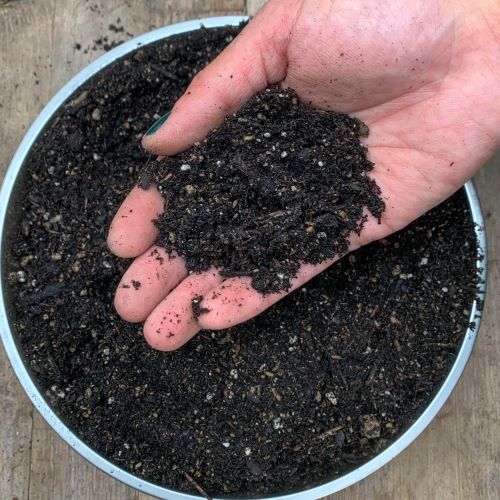
Proper soil is essential for flowering. Stapelia needs a fast-draining succulent or cactus mix. You can improve drainage by adding coarse sand, perlite, or pumice. But remember, nothing and nobody can grow in suffocation. Poor drainage keeps roots wet for too long, stressing the plant and stopping it from blooming.
Make it a point, in general, to always choose a pot with drainage holes, because stagnant water at the bottom can quickly lead to root rot.
Terracotta pots are especially helpful, as they allow excess moisture to evaporate faster.
4. Right Temperature leads to Right Blooming
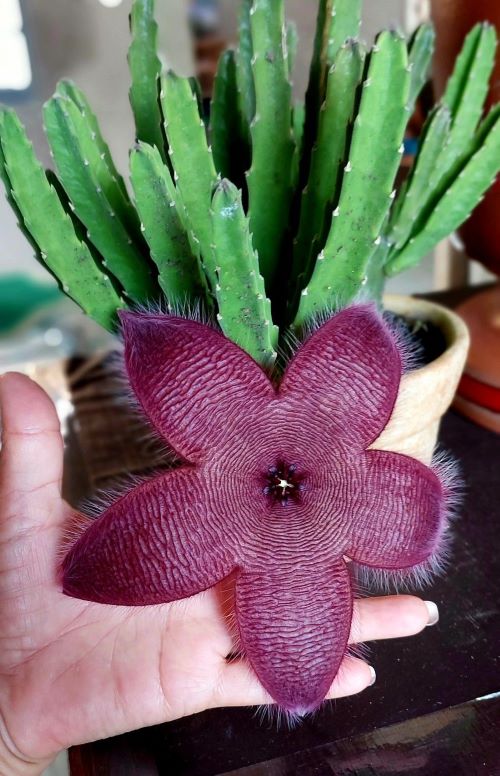
Stapelia blooms best in warm conditions and it enjoys warmth during the day and slightly cooler nights. Avoid exposing the plant to cold drafts or temperatures below 10°C (50°F), as this can delay or completely stop flowering. Seasonal temperature variation, especially warmer summers, signals the plant that it’s time to bloom.
5. Feed but Lightly
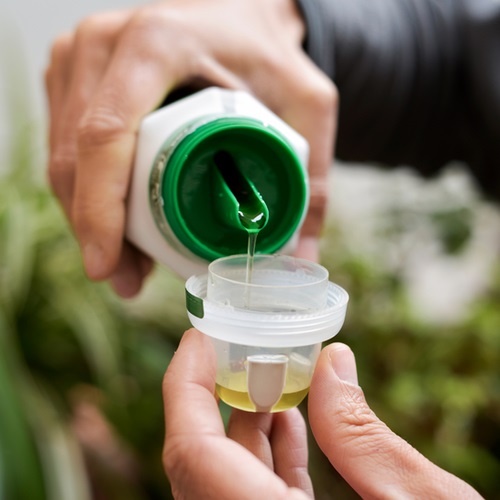
While Stapelia does not require heavy feeding, a diluted succulent fertilizer during spring and early summer can help encourage blooms. Feed once a month using a low nitrogen fertilizer. Excess nitrogen promotes stem growth but reduces flowering. Stop fertilizing during fall and winter when the plant enters dormancy.
6. Some amount of Stress is needed to Grow
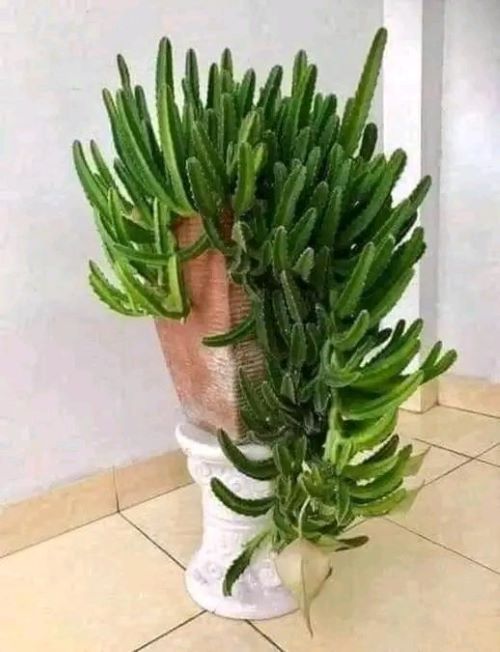
Stapelia blooms best when slightly stressed. This is so relevant to humans and so ironic for some succulents. Keeping it root-bound, allowing dry intervals between watering, and avoiding over-fertilization mimics its natural environment. And wait, too much pampering can lead to lush growth but again, no flowers.
Once buds begin to form, don’t disturb or move it then, and avoid stressing it so much. Changes in its environment can sometimes cause the buds to drop prematurely.
7. Mimic the Natural Game

Stapelias will respond well when we mimic their native habitat. Try to replicate the temperature fluctuations and light exposure they would naturally receive. In their native regions, there are periods of drought and then rainfall.
Mimic this by adjusting your watering schedule, reducing water during the dormant season and gradually increasing it as the active growing season approaches.
Patience is key. Stapelias may take several years to mature and bloom, even with perfect care. Consistency always beats quick fixes.
Blooming might not happen immediately, even with perfect care. But don’t be impatient and lose heart. Stapelias can take a few years to establish themselves and produce flowers. Follow a consistent routine and see how they bloom at their finest!