
Succulent African violets aren’t true African violets but close relatives with fleshy, water-storing leaves. Confusing? Let us help you out!
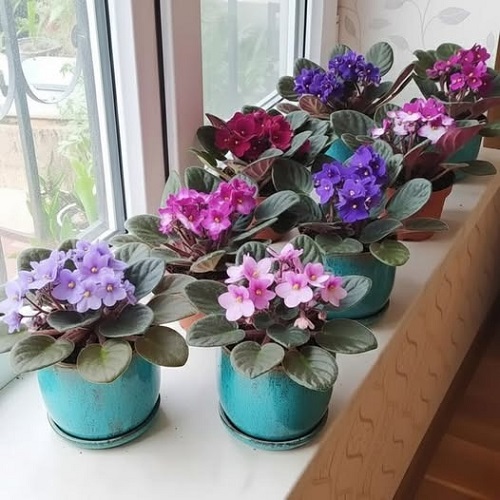
Picture true African violets (Saintpaulia, now Streptocarpus): tender plants with soft, fuzzy leaves and delicate purple blooms gazing from a windowsill. Lately, gardeners chase “succulent African violets.” Popular term, but real violets aren’t succulents.
What are Succulent African Violets?
True succulents store water in leaves, stems, or roots. African violets aren’t. Call them semi-succulents? These Gesneriad relatives mimic violets in flowers and habit but boast thicker, fleshier leaves. They blend violet charm with succulent grit—ideal for easy indoor gardening.
They shrug off drier conditions and forgive skipped waterings. Compact, with violet-like flowers, thick leaves, and indoor savvy, they steal your heart quick.
Popular Varieties Commonly Called Succulent African Violets
1. Streptocarpus saxorum (False African Violet)
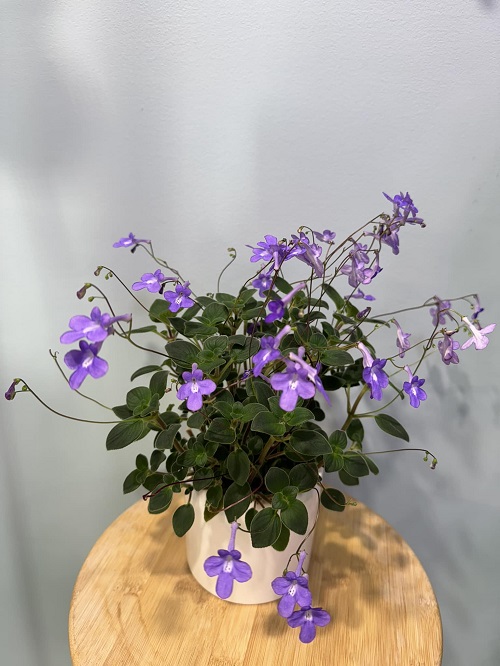
The most commonly discussed plant when discussing succulent African violets is this one. It has trailing stems, small violet-blue flowers, and slightly succulent leaves. It ‘s drought-tolerant compared to classic African violets and looks magnificent in hanging pots.
2. Streptocarpus caulescens
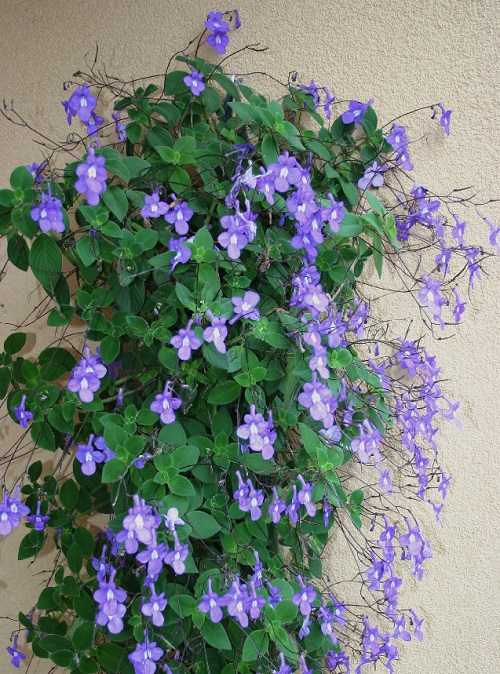
Unlike rosette-forming African violets, this variety has elongated, fleshy stems and thick leaves. Its pale lavender flowers resemble violets, but its structure and water-storage ability make it much closer to a succulent in behavior.
3. Streptocarpus glandulosissimus
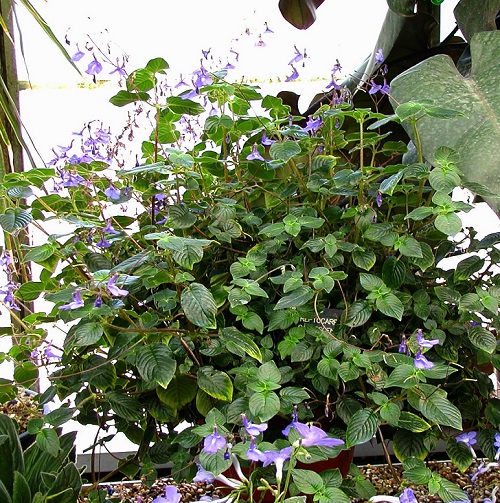
Coming from the rocky habitats, this plant has fleshy leaves which help to retain moisture. It loves growing in bright, indirect light and prefers well-draining soil, similar to succulents.
4. Primulina species (formerly Chirita)
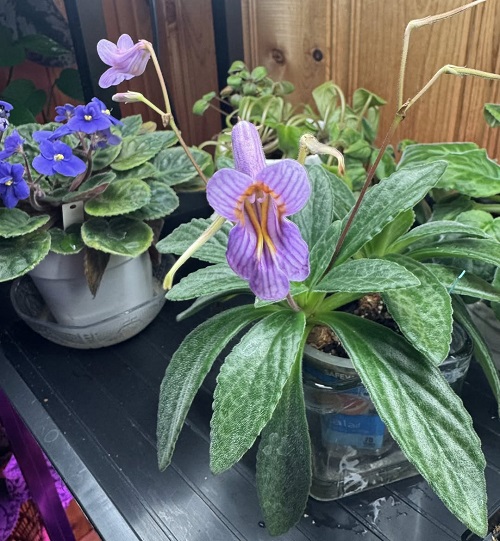
Primulina plants are close relatives of African violets and are often mistaken for African violets themselves. Many species have thick, leathery, semi-succulent leaves and delicate purple or lavender blooms. You must note, these species are are highly adaptable.
5. Sinningia muscicola
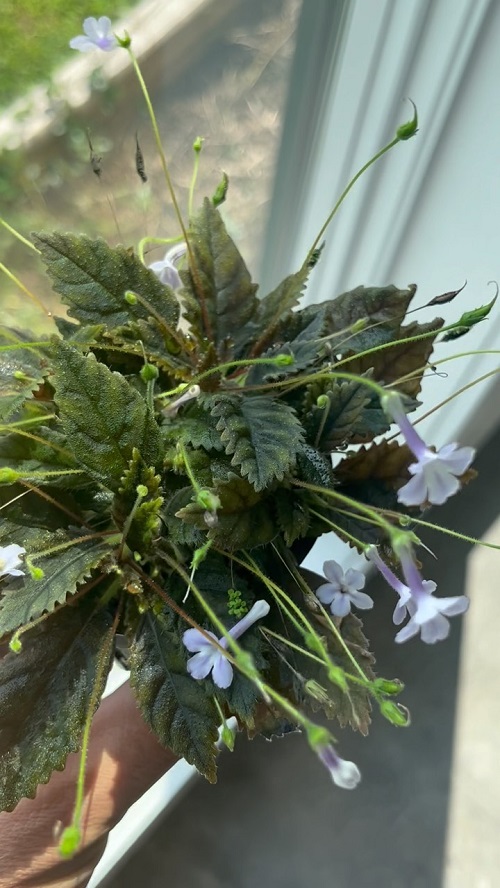
Though not a true African violet, this miniature Gesneriad produces violet-like flowers and has a water-storing base. Its compact size and drought tolerance makes it one of the succulents in the tribe.
How These Plants Differ from True African Violets
These plants prefer drying out slightly between watering and require faster-draining soil. They have thick roots and can forgive you once in a while if you neglect them of their light, water, and temperature. But hey, don’t make it a habit! But note, they still dislike harsh direct sunlight and cold drafts, much like African violets.
Succulent African violets may not be botanically and accurately African violets, but wait, they are beautiful and practical alternatives for plant lovers who adore violet-like flowers. If you love African violets but kind of don’t love strict watering routines, these are for you. Let us know your pick, in the comments below.
👉 Watch this related video for additional context