

Can the ZZ plant cause cancer? Discover the truth about its toxicity, cancer risk, and how to safely keep this adorable plant at home.
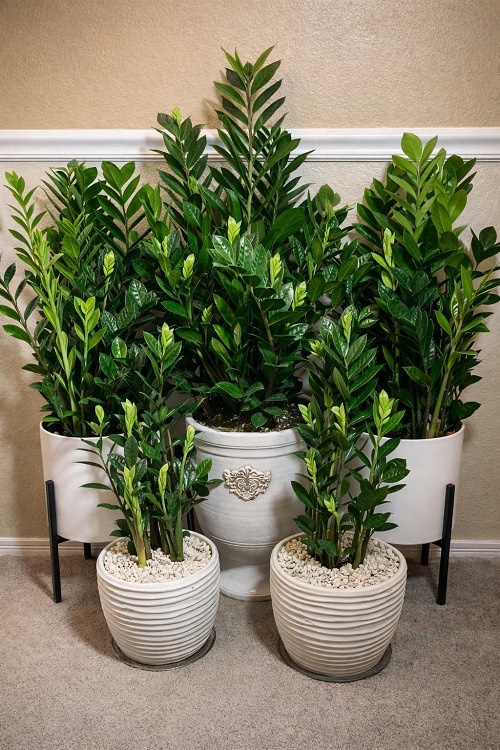
ZZ plant (Zamioculcas zamiifolia) has become a most popular indoor plant for homes and offices. One of its features is its beautiful glossy leaves, and secondly, its low maintenance needs make it suitable for everyone. But we have been hearing that the ZZ Plant causes cancer. It has made many of us confused and worried. So, is it the truth or a lie? Let’s find out together!
Can ZZ Plant Cause Cancer?
We would not deny that the ZZ Plant is toxic. The plant belongs to the Araceae family and contains calcium oxalate crystals. These tiny, needle-like crystals can irritate the skin or mouth if the plant is chewed or swallowed. When people hear that a plant is toxic, they sometimes assume it to be extremely harmful, much like a cancer-causing substance. However, toxicity and cancer-causing substances are very different.
Calcium oxalate crystals can lead to temporary symptoms such as mouth irritation, swelling of the lips or tongue, nausea, or vomiting if ingested. The sap may also cause mild skin irritation in sensitive individuals.
So, is there any Evidence?
Here’s the bottom line—no scientific studies show that ZZ plants are carcinogenic. Cancer develops due to genetic mutations or long-term exposure to certain harmful substances. There is no research suggesting that ZZ plants release cancer-causing chemicals into the air or create long-term health risks indoors.
Simply keeping a ZZ plant at home does not increase cancer risk. Like any plant, it’s safe when handled with basic care. If you have pets that chew leaves or young kids who explore with their mouths, it’s best to place the plant out of reach.
Washing your hands after trimming or repotting is also a smart habit — especially if you have sensitive skin. Better safe than sorry!
Myth or Fact?
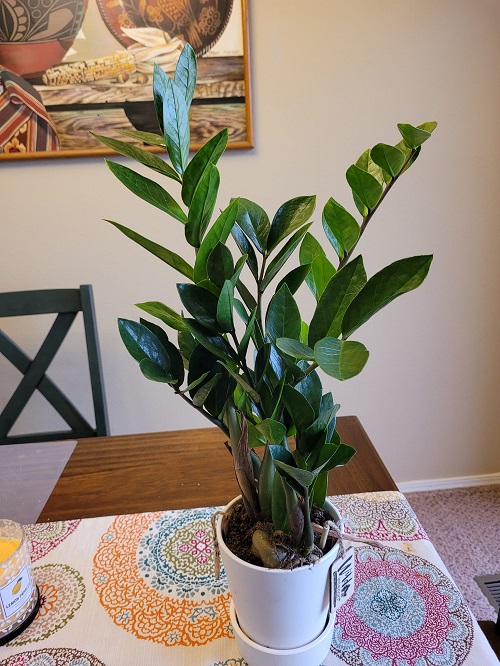
This is a myth. Almost every day, social media puts forward messages without any scientific evidence. The term toxic certainly leaves a great impact, and a large number of people associate it with serious or permanent damage. In fact, numerous ordinary houseplants, including ZZ Plants, are quite toxic when eaten in large quantities; however, they are not carcinogenic.
Just like the snake plants, releasing carbon dioxide at night has been addressed. And we concluded that it is not poisonous; they contribute to purifying the air; let’s settle this case, too.
So, you see, indoor plants do not produce toxic levels of harmful substances in normal home environments, let alone have cancer-causing properties. On the contrary, many people find that indoor plants contribute positively to their mood and sense of well-being.
The belief that the growing ZZ plant causes cancer is a myth. It does have calcium oxalate crystals that can cause temporary irritation if eaten or mishandled, but there is no scientifically proven link between this plant and cancer. Which is why we recommended you research and prove your plants right. Got any other myths to burst? We are ready!