
Learn the most common mistakes we plant parents make with their ZZ plant during winter and how to keep them thriving all season.
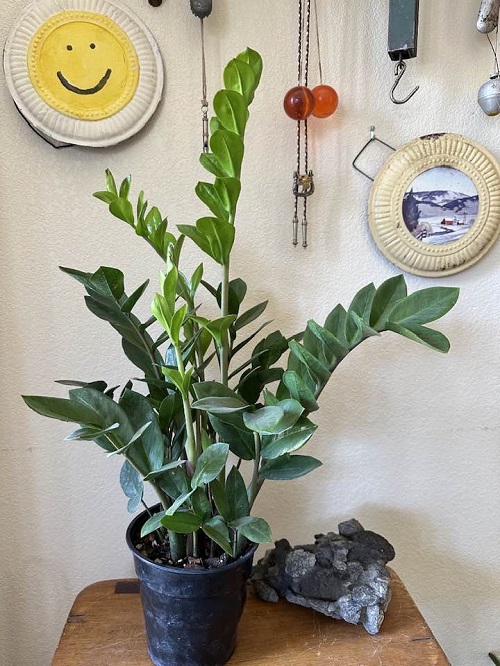
Zamioculcas zamiifolia is famous for being low-maintenance, but winter can be a tricky season for it. Shorter days, colder temperatures, and drier indoor air can stress the plant if we don’t care for it sensitively. Don’t stick to your original care routine; tweak and twist it a bit, and see your ZZ plant thrive.
Mistakes We Make with ZZ Plants During Winter
1. Don’t Water It as if It’s Summer. Change the Routine!
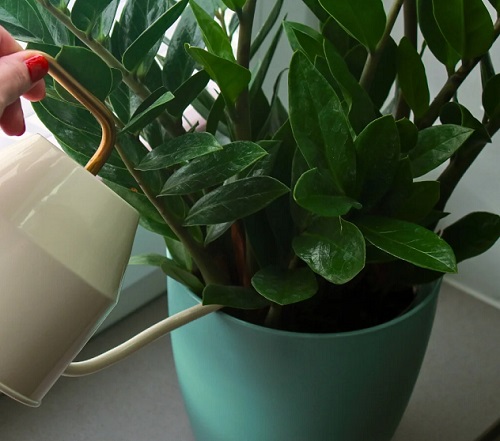
ZZ plants grow much more slowly in winter. This is due to their growth rate dropping and their water needs decreasing. Now, overwatering leads to root rot, yellow leaves, and mushy stems, which is an all-time ZZ plant issue in winter.
Water only when the soil is completely dry 2–3 inches down. For many ZZ plants, this means watering once every 3–4 weeks or even longer. Make sure to use room-temperature water to avoid shocking the roots.
2. A Big No to Very Low Light!
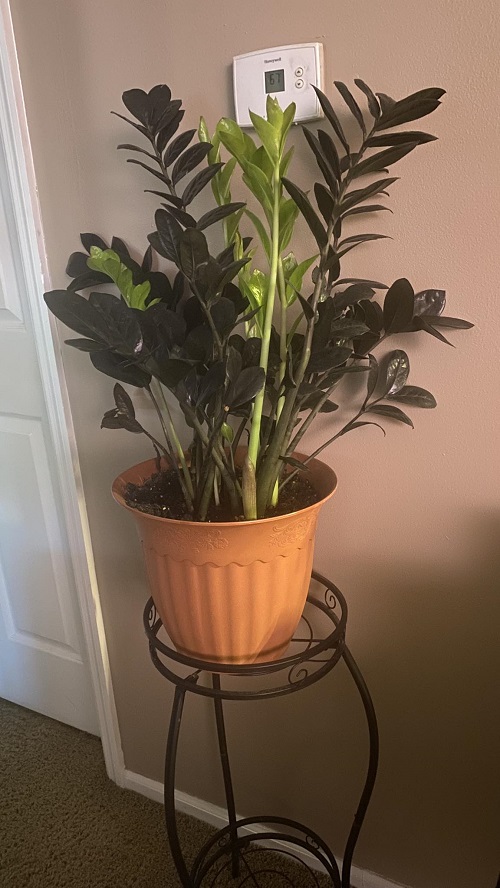
ZZ plants tolerate low light, but winter can push them to their limit. Extremely dim corners cause pale, weak growth and leaf drop. Choose a better spot, now.
Move your ZZ closer to a bright north or east-facing window. If your room is very dark, use a grow light for 6–8 hours a day. And by all means, avoid harsh direct sunrays; it can scorch winter blooms.
3. Too Cold Temperatures? Stop.
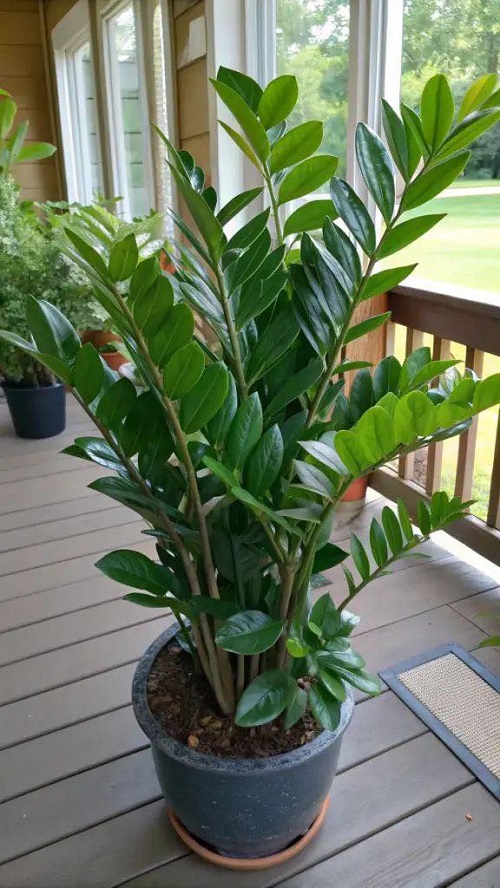
ZZ plants are tropical and hate low temperatures. Temperatures below 15°C can cause leaf curling, black spots, and slowed growth.
Also, avoid placing it on cold windowsills, near balcony doors, or in drafty areas. Keep it away from heaters too, because sudden hot air dries the leaves and soil too fast.
4. Humidity, Check It.
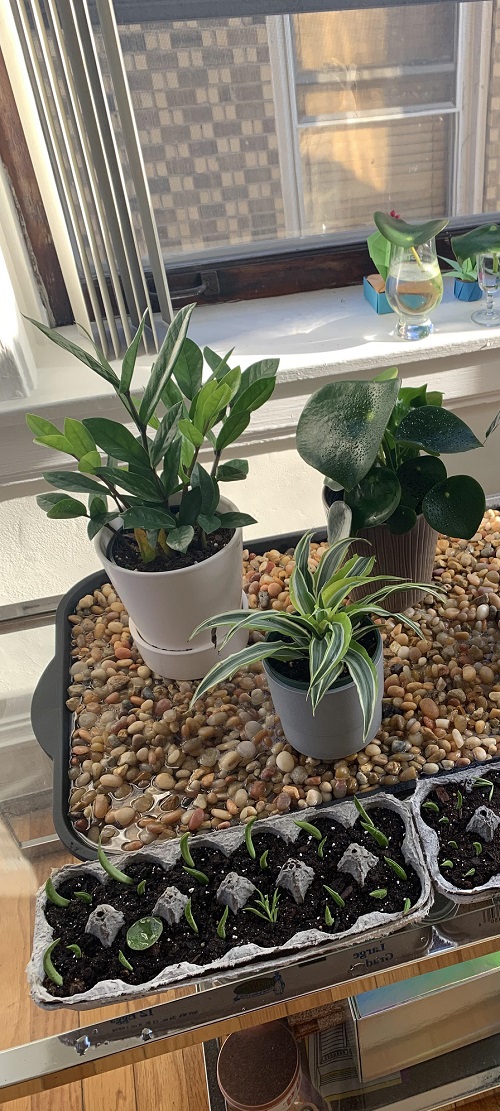
While ZZ plants tolerate dry air, extremely low winter humidity can stress them. Leaves become dull, wrinkled, or eventually get crispy tips.
Place a pebble tray with water beneath the pot and group it with other plants to raise humidity. Avoid misting because ZZ plants don’t like water sitting on their leaves in cold weather.
5. You Haven’t Checked the Soil in Months?
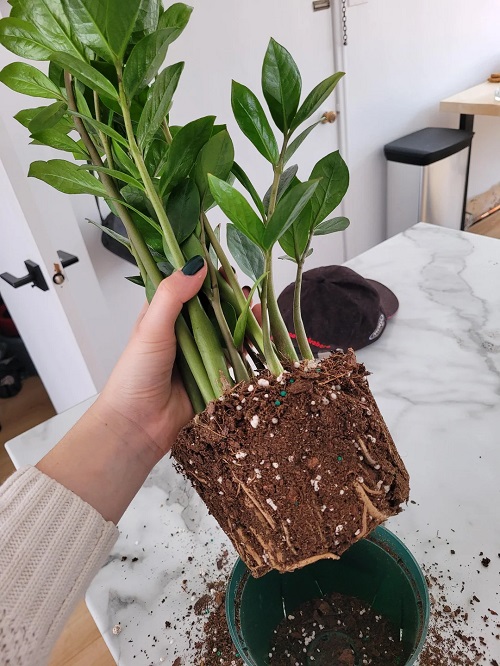
Old or compact soil holds water longer in winter, and poor drainage increases the risk of rot. Handle repotting carefully.
Ensure the soil is light, has good air flow, and is fast-draining. Try a good potting mix like 50% potting soil, 30% perlite, and 20% cocopeat. If the soil feels soggy more than 7–10 days after watering, repot in a better mix, if you think it becomes necessary, otherwise avoid.
6. You’re Still Fertilizing It? Stop, You Shouldn’t.
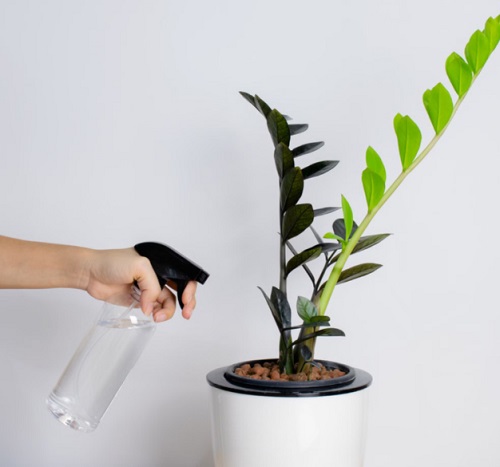
ZZ plants barely grow in winter. Feeding them now does more harm than good. Fertilizer salts burn the roots and cause yellowing. Stop all fertilizers until spring and resume only when you see new growth around March or April.
7. You’re Not Dusting the Leaves!
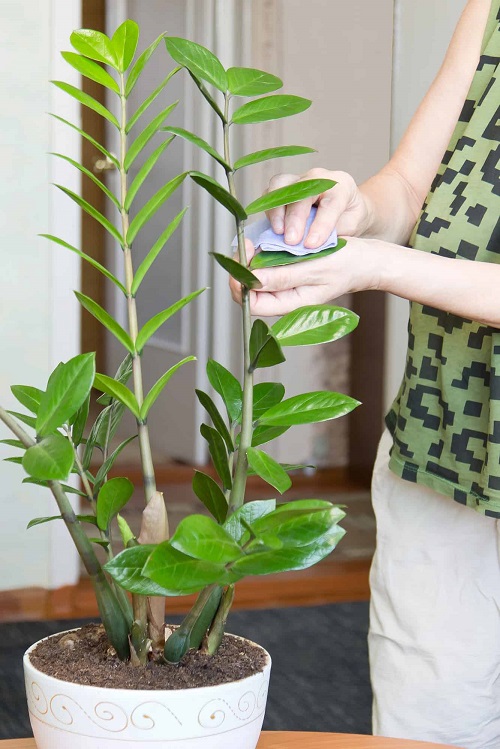
Winter dust builds up faster due to closed windows. Dust blocks light absorption and makes the plant look dull. Gently wipe leaves monthly with a damp cloth and avoid leaf shine products because all they do is clog pores.
Your interesting and unique ZZ plants require a little more care and love in winter when things become chilly and cold for their growth. But that doesn’t mean you’ll change their care routine entirely. Adopt a few tricks and tweaks, and you’re done. Let us know in the comments if these tricks helped you out.