
As an Amazon Associate, we earn a small commission from qualifying purchases — at no extra cost to you.
Wait, are you also shocked when looking at your plant because the seedling looked exactly the opposite of the grown adult? Meet heteroblasty.
Heteroblasty means the biological phenomenon in which a plant undergoes dramatic, abrupt changes in leaf shape, size, and growth habit between its young and mature phases. And this is not scary, nor is it worrisome. Let us introduce you to some plants that are popular for it.
From decorative planters to handy pruning tools, discover all our favorite green finds. Explore the Amazon Gardening Essentials Storefront to pick up the ultimate gifts for plant lovers.
Plants that Look Different from Seedling to Adult
1. English Ivy
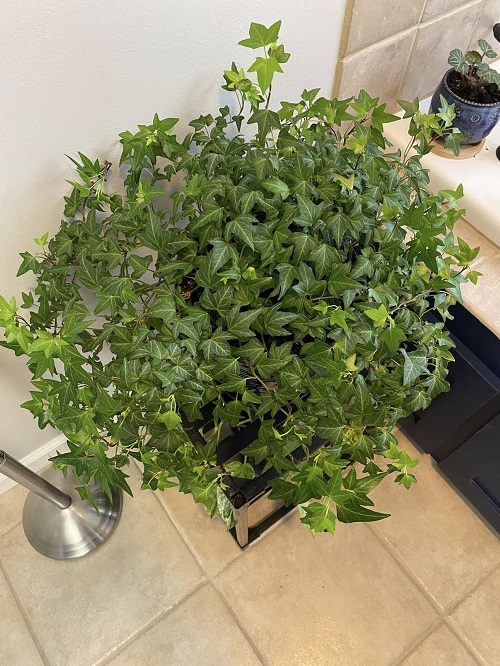
Scientific Name: Hedera helix
In its climbing or creeping phase, it has small, dark green, 3- to 5-lobed, heart-shaped leaves and forms aerial roots to grip surfaces. When it matures, it becomes an upright, flowering shrub. Its leaves turn into unlobed, diamond- or teardrop-shaped forms, and it stops producing climbing roots and clinging to surfaces.
Ever noticed how dramatically a plant can change as it matures? Keep track of every new leaf, shape, and growth milestone with a plant growth journal. Document your little green discoveries as your plants transform!
2. Passion Flowers
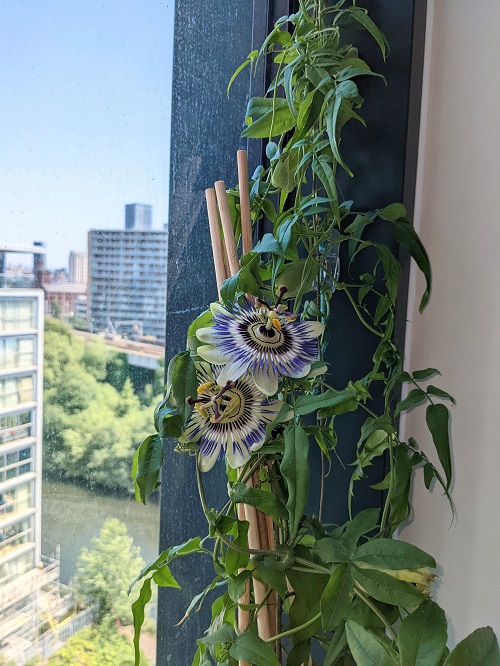
Scientific Name: Passiflora species
Passion flower seedlings begin with simple, weed-like single-lobed leaves for early energy absorption. As the vine matures, it shifts to producing complex three- or five-lobed leaves, climbing tendrils, and highly intricate flowers to prioritize survival, support, and reproduction.
Ready to get all your essentials? Why not get them for free and quickly through Amazon Prime (if eligible)? Try it for convenient shopping and get the gardening essentials you need to start growing.
3. Australian Acacias
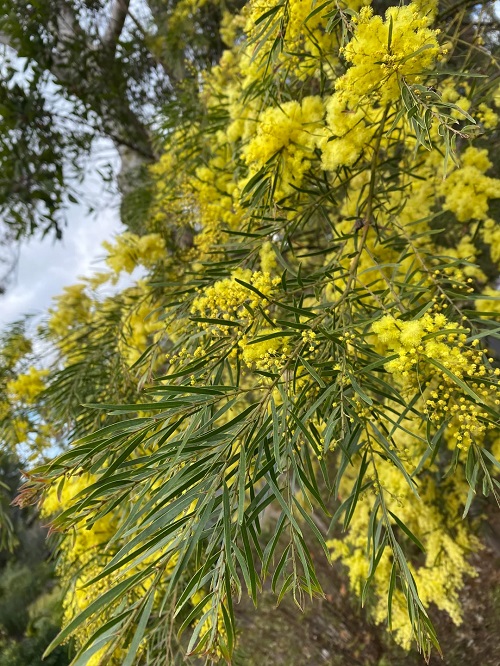
Scientific Name: Wattles
Many species start with soft, feathery, fern-like compound leaves as seedlings. But as they mature, these are replaced by blade-like green stems called phyllodes, which take over the job of leaves while helping conserve water. And they look like they came from another world.
Give your climbing plants a little extra support as they mature! Discover gentle plant clips and soft garden ties to guide vines along poles, trellises, and other growing supports.
4. Monsteras
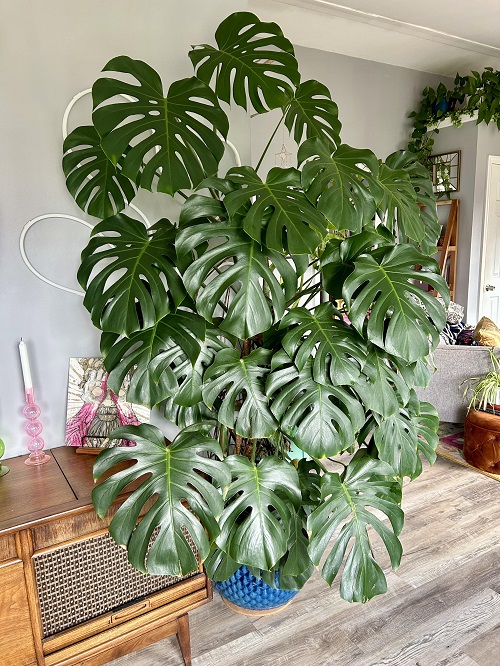
Scientific Name: Monstera deliciosa
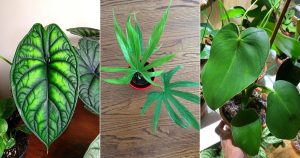
When young or crawling low in the dark forest, Monsteras have small, solid, heart-shaped or unbroken leaves. As they climb up a tree into bright light, the leaves grow massive and develop deep splits and dramatic holes called fenestrations.
Help your climbing houseplants reach their full potential! Explore sturdy plant climbing poles and supports for Monsteras, Philodendrons, and other climbing plants that develop larger, mature leaves as they grow upward.
5. Arrowhead Vine
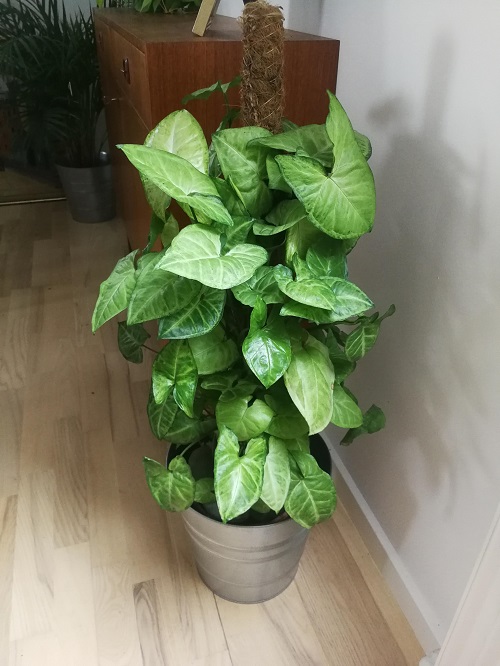
Scientific Name: Syngonium podophyllum
This young plant grows in compact clumps of simple, arrow-shaped, solid green or variegated leaves. But once it matures and begins to climb, the leaves develop into deeply divided, pedate shapes, with several distinct lobes that encircle the stem like a crown.
Keep your climbing plants neat and manageable with quality plant pruning shears. Make clean cuts when maintaining vines, removing damaged leaves, or preparing healthy cuttings for propagation.
6. Split Leaf Climber
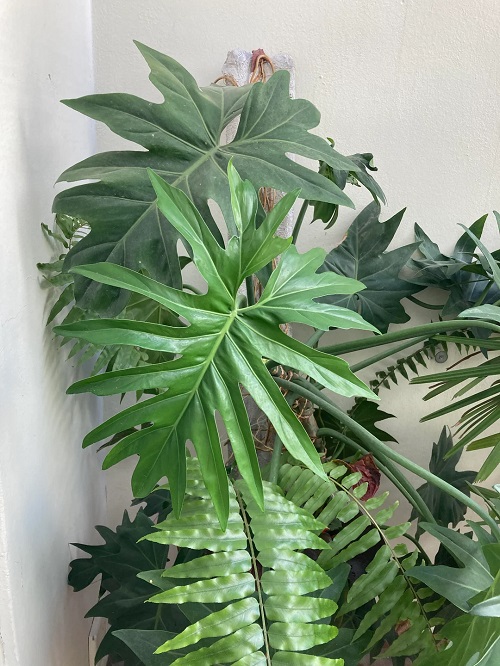
Scientific Name: Philodendron radiatum
As a seedling, it crawls along the forest floor with smooth, solid, heart-shaped leaves that resemble pothos or heartleaf philodendron. As it finds a tree trunk and climbs toward the forest canopy, the newly emerging adult leaves grow massive, with deep, rib-like lobes and cuts that extend almost to the central vein.
Want to understand the fascinating ways plants grow and develop? Explore plant biology, botany, and houseplant care books on Amazon to discover more about leaf development, climbing habits, and unusual plant transformations.
So you see, your plants are also somewhere in this list of amazing and breathtaking beauties that bloom and grow in their own sweet way. Did we cover yours in this? If not, then do let us know in the comments below!