
This natural kitchen hack you’re using might be killing your jade plant, and you might still be unaware of it. Act now, you still have time!

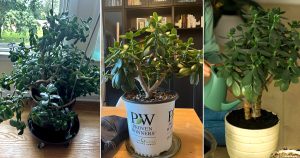
Jade plants have the word “unkillable” associated with them. They store water in their leaves, and they survive even when ignored. So when a jade plant starts dropping leaves, turning soft, or completely giving up, most people assume they’re not caring enough. Perhaps, but it is for you to find out what’s wrong. Let us help.
Common Kitchen Hack that is Killing Your Jade Plant

The hack most people don’t question is watering jade plants with leftover tea or coffee. It sounds harmless, it is, but only to an extent that it is not fatal for them. After all, it’s organic, and it’s reused waste, and people think it makes plants greener. However, jade plants are not suited for this level of care in total. Moderation is accepted.
Jade plants are succulents, native to dry regions where the soil is poor and rainfall is limited. They grow by storing water in their leaves and stems. Due to this, they are extremely sensitive to excess moisture and changes in soil chemistry. Tea and coffee interfere with both.
Problem with Tea and Coffee
1. Acidic Nature

Tea and coffee are acidic in nature. Jade plants prefer neutral to slightly alkaline soil. When acidic liquids are repeatedly added to the soil, the pH slowly shifts. As we mentioned above, moderation is the key here.
This stresses the roots and disrupts nutrient absorption. Then you’ll find them turning yellow, dropping leaves, or simply stopping their growth altogether. And this damage happens slowly over time.
2. Moisture Retention

Tea and coffee water tend to keep the soil wet for longer periods. Jade plant roots need oxygen and dry intervals to stay healthy. Constant moisture suffocates the roots and creates ideal conditions for fungal growth and not their growth.
This leads to root rot, which is one of the most common reasons jade plants die. Often, the plant looks fine on the surface until the damage underground becomes irreversible.
3. Pests and Molds Attraction

Organic residues in tea and coffee lead to mold growth and attract fungus gnats. Succulents thrive in clean, fast-draining soil. When organic matter begins decomposing in the pot, it creates an unhealthy environment that jade plants cannot tolerate.
Signs your Jade Plant is Suffering

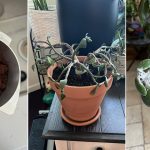
If a jade plant is suffering because of this hack, the signs are usually clear. Leaves may fall off at the slightest touch. Stems may feel soft instead of firm. Leaves can wrinkle even though the soil feels wet. Growth may stop completely. Many people mistake these signs for underwatering and respond by adding more liquid, which only worsens the damage.
What jade plants actually need is far simpler, and only we make it complicated. Plain water is enough, but only when the soil has dried out completely. The pot must have drainage holes, and the soil should be well-draining, preferably made for succulents. Bright, indirect sunlight supports healthy growth.
Fertilizer is rarely needed and should be used sparingly, no more than once or twice a year in diluted form.
Not every kitchen ingredient can be harmful; coffee and tea might work as well, but only when consumed occasionally, not as a habit. Is there anything else bothering your jade plant? Let us know in the comments below, and we’ll come to their rescue.