
As an Amazon Associate, we earn a small commission from qualifying purchases — at no extra cost to you.
Does fall make your plants hit the brakes or become lazy? Learn why do houseplants grow slower in fall and what you should do about it!
If you see your plants growing voraciously in spring and summer and suddenly the speed dips as the climate gets colder, are your botanical buddies cursed, resting, or is there some science at play? Why do houseplants grow slower in fall? What changes should you make to help them out? Is it a matter of concern? Answer all these questions and more with this article!
What are the Factors that Lead to Slower Growth in Plants in Fall?
We all know that environmental conditions play a major role in the growth rate and survival of a plant, so as the seasons change, these differences in the climate limit the ability of the plant to grow. We have explained this in detail below.
1. Shorter Days, Shorter Plant Height
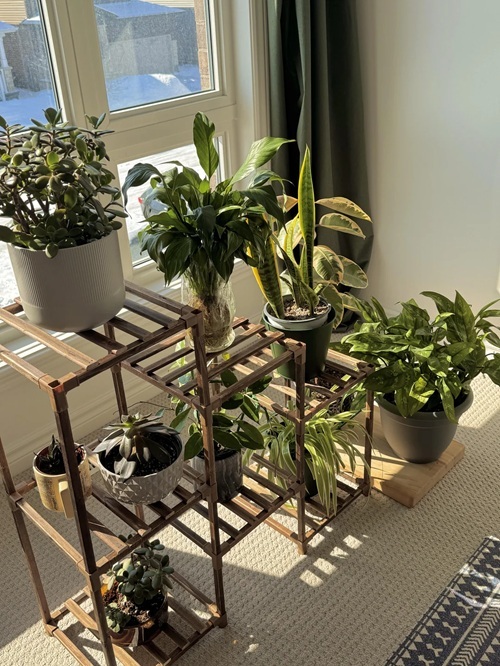
The sun fuels your plants to grow. Sunlight is used up by your botanical pals in the process of photosynthesis to produce energy. This energy is subsequently used to carry out various life processes such as cell division, which leads to the production of newer foliage, flowers, and roots.
One of the biggest reasons for slower growth is reduced daylight. As fall progresses, the days become shorter, and the sun sits lower in the sky. Even if your plant sits in the same window, it receives less sunlight. And this is completely natural.
So it goes without saying that they will not be able to photosynthesize as efficiently and produce the same amount of energy. Hence, leading to slower growth. This kind of growth rate change is most noticeable in plants that naturally require bright sunlight.
2. Cooler Temperature is the Nemesis of Plant Growth
Do you know that plants can sense temperature changes? A few degrees up or down, and the plant completely alters its biological functions to adapt. In the autumn season, temperatures usually drop significantly in comparison to the summer season.
This temperature drop slows down processes such as photosynthesis, nutrient uptake, and water movement. Some plants even redirect their energy to use simple physical and chemical tricks to slightly warm up, which can take away from their growth. They may even go into shock if you leave them near an open window or on the balcony.
Tropical houseplants and some desert plants are affected the most by the temperature changes, as they have evolved over millions of years to thrive in warm conditions.
3. Humidity Changes can be the Culprit
Do you know that, along with oxygen and carbon dioxide, plants also release water vapor through their stomata? If the air outside is too dry, more water vapor is released through transpiration. This stresses out the plant and can lead to dehydration.
Additionally, the right air moisture levels optimize nutrient flow within the plant through the roots and keep the leaf cells plump for efficient photosynthesis.
However, in the fall, the air naturally becomes drier, a trend further exacerbated by the use of indoor heating. This switches on the conservation and self-preservation mode in plants. In severe cases, growth slows down due to poor humidity-induced illnesses.
4. Plants Need Rest Too!
Just like how humans can’t go to work every day of the week without feeling burnout, plants need some recovery and rejuvenation period too! Depending on the type and species of the plant, it may naturally slow down its processes to adapt to the season and wisely conserve its energy.
Not every plant follows the same seasonal pattern. This biological period of slowing down growth is sometimes called dormancy or winter rest.
For example, many bulbs and certain deciduous species have strong seasonal cycles. Others simply experience a noticeable slowdown rather than becoming completely dormant.
Check out these plants that love the cool weather of fall!
What Should You Do in Fall for Your Plants?
1. Reduce Fertilization
As plants do not grow as rapidly in fall, they do not use up many nutrients. Therefore, they don’t require a bunch of additional supplements.
If you continue to fertilize your plant on a regular basis like you would in its active growing season, there may be a heavy buildup of salts and compounds in the soil. This can be severely detrimental to the plant, leading to chemical burns and pH imbalances that impede several natural and vital processes.
All in all, it is best to halt fertilization of a dormant plant in the fall season and gradually resume in spring.
2. Tweak Watering Routine
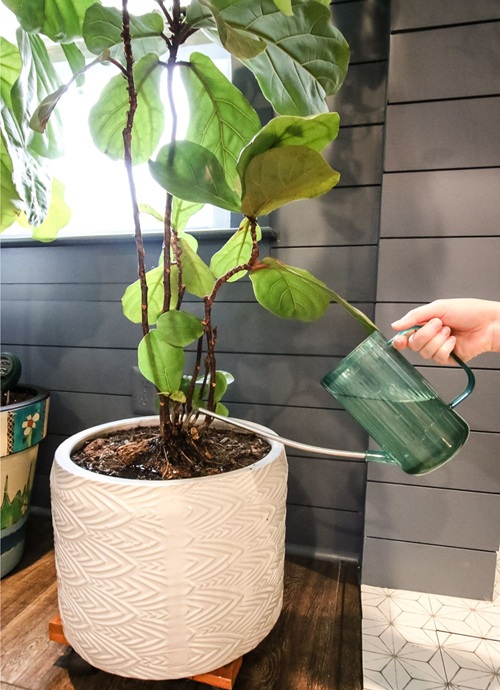
Using the same logic as above, plants won’t need as much hydration as they do in warmer months. Slower growth and lower light usually mean that plants use water more slowly. Therefore, don’t go overboard on the watering!
Many novice gardeners tend to make the mistake that, since their plant isn’t growing as expected, they increase the watering amount or frequency.
Soil can therefore stay wet longer without the harsh sun’s rays evaporating it. Therefore, you can cut down the watering routine by half to meet your plants’ needs without overdoing it.
Pro Tip: Follow the drench-and-dry method and notice the signs the soil gives. If it is completely dried out, water it thoroughly and repeat the process.
3. Move Plants Toward Better Light
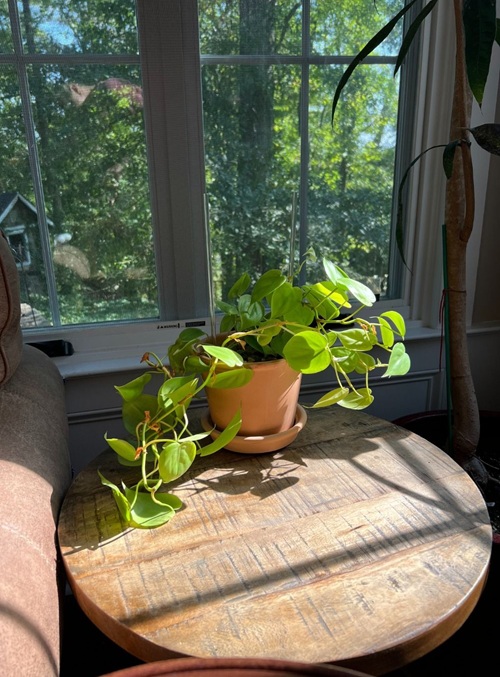
As the days get shorter and sunlight grows bleaker, you’ll need to find better ways to fill the void or shortage. Consider moving plants closer to a suitable bright window. For example, if your plant is kept on an east-facing windowsill, you can shift it to a north-facing one, which receives the maximum sunlight throughout the day.
If natural sunlight doesn’t make the cut, you can always resort to growing lights to act as an effective supplement.
4. Avoid Major Changes
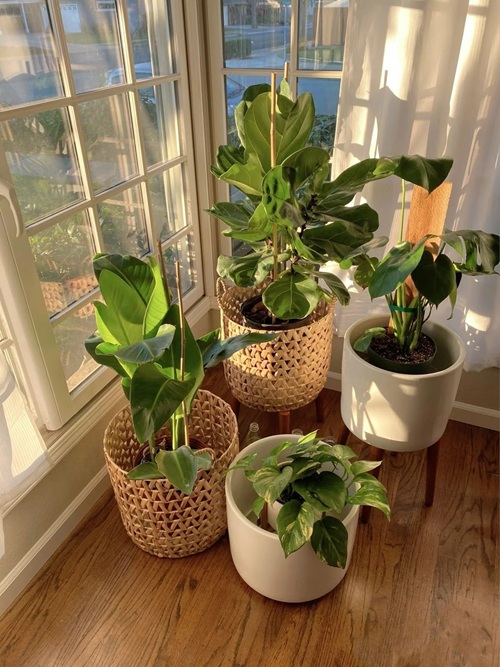
Fall is usually not the best time to aggressively prune, repot, or drastically relocate a plant that is already slowing down or completely dormant. This is because the plant lacks the energy to regenerate and cope with the major stress, and may succumb.
It is better to focus on stable conditions, appropriate watering, adequate light, and good air circulation until spring, and then you can carry out your plans.
What to Watch Out For?
As we mentioned before, seasonal slowing is normal and, in fact, a healthy sign that your plant is abiding by the rules of nature. However, a sudden decline can be a problem.
Watch for yellowing leaves, mushy stems, persistent wilting, or widespread leaf drop. These are caused by seriously ignoring the growing requirements or failing to adapt to the season.
Also, in drier weather, there are higher chances of pest infestations. Constantly check for symptoms of an outbreak and take necessary steps to prevent and halt an existing infestation.
If these symptoms appear, check the plant’s light, watering, soil drainage, temperature, and roots rather than assuming that the fall season is the sole reason behind them.
Now that you know the science behind the slow growth of plants in autumn. Follow the dos and don’ts to keep your plant healthy and thriving. Let us know in the comments section what other season has raised clouds of confusion, and we’ll help clear them out!