
As an Amazon Associate, we earn a small commission from qualifying purchases — at no extra cost to you.
Repotting houseplants in fall can be a big question to solve. And honestly, it depends on the plant. If you’re planning to do it, read this!
Fall is usually when we start thinking about cozy blankets, warm drinks, and getting the home ready for cooler weather. But our houseplants have their own seasonal shift. And this brings us to questioning if repotting them during fall is a wise decision or not? And the answer is sometimes. Let us see how.
If you are planning to repot your houseplants, our Amazon Gardening Storefront has everything your little ones will need. Skip the shopping hassle because the chilly season has arrived.
Repotting Houseplants in Fall
Spring gets all the attention when it comes to repotting, since plants are waking up and entering their growing season. But fall is often overlooked. Your plant may have spent the entire summer growing, using nutrients and filling its pot with roots. By early fall, you can see these results.
And if you find roots circling the bottom or peeking through the drainage holes, or if you find the soil drying up too soon, then your plant is asking for a bigger room.
But there is an important difference between repotting because your plant genuinely needs it and repotting simply because fall has arrived. If there is no urgent problem, you can often wait until the plant enters its active growing season.
Give your plant some breathing room with a terracotta pot having drainage holes because it prevents root rot and waterlogging. Look for one slightly larger than the existing pot.
Don’t Repot Just Because a Season Changed
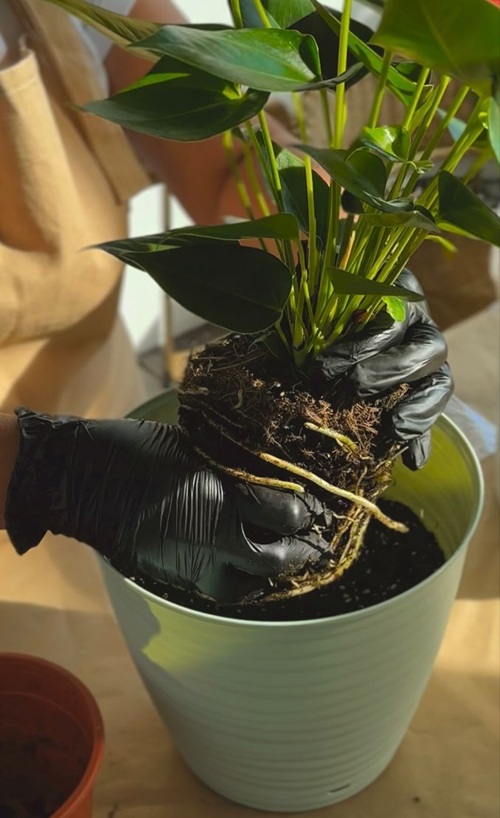
A healthy plant doesn’t need to be repotted just because the season changed. Repotting disturbs the roots, and some plants need time to recover. If your plant is growing normally, the soil drains well, and its roots aren’t crowded, leaving it alone may actually be the better choice.
You can change their place, make it a little bit less ‘chilly’, and give them a much more comfortable space indoors. But hey, be careful when you move them indoors before fall.
If you do need to repot in fall, try not to disturb the root ball more than necessary. A gentle transfer into fresh soil and a slightly larger pot is usually less stressful than aggressively breaking apart healthy roots.
Look at the Roots and the Leaves
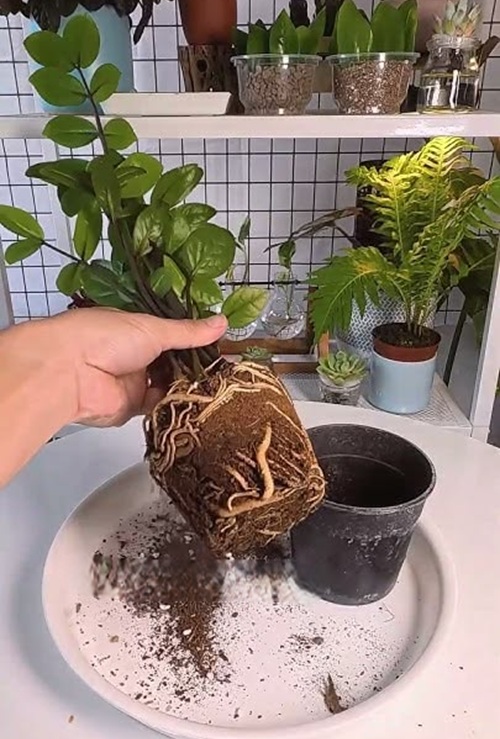
Inspect the root ball, and you’ll have your answer. Gently slide your plant from its pot. If you see a thick web of roots circling, roots emerging from the drainage holes, or very little soil remaining around the roots, then be prepared; it is time to repot.
If you notice that water seems to disappear almost immediately or your plants need much more watering, then the plant may have become so root-bound that there is barely enough soil to retain moisture.
Stop guessing when your plant needs water. A soil moisture meter can help you check what’s happening below the surface instead of watering based on how dry the topsoil looks.
Bigger Doesn’t Mean Better
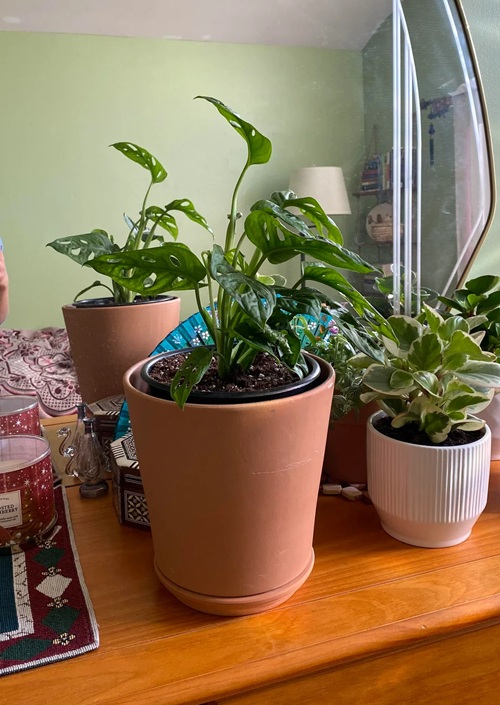
Keep that oversized planter away for a while. Moving a small plant into a huge pot can create a soggy environment. More soil means more moisture, and if the roots can’t absorb it quickly, that excess moisture can contribute to root problems. So move up gradually, usually around 2-5 cm wider than the current pot.
Do Not Wait for Spring
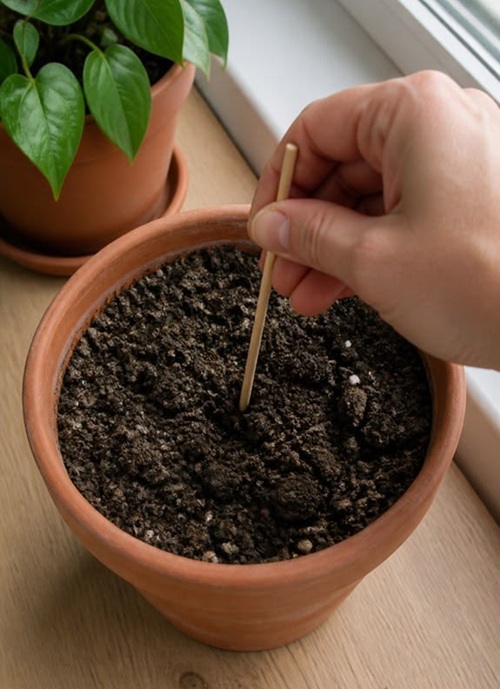
But when and why? If your plant has severe root rot, compacted soil, persistent drainage problems, or a damaged container, deal with the issue when you notice it, instead of waiting for the right season for it.
In other words, an unhealthy plant should not be forced to wait for spring just because fall is not considered the “ideal” repotting season. Fixing a serious root or drainage problem is more important than following the calendar.
But if your plant looks less energetic as daylight decreases, do not panic. Many houseplants slow their growth during darker months. So leave it for a while; sometimes, that is much better.
Make Fall Repotting Less Chaotic
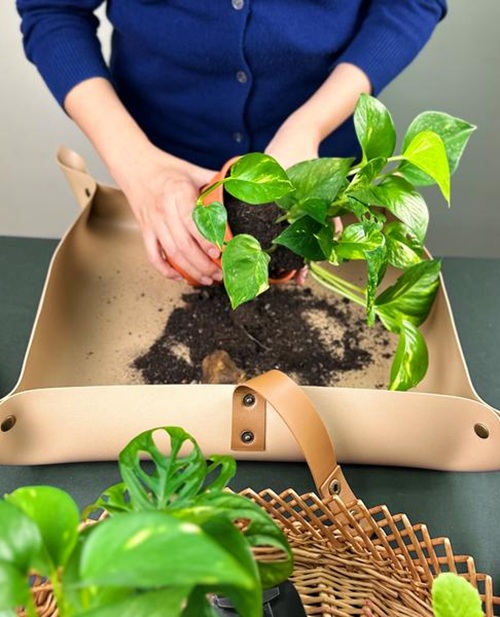
If you do decide to repot, then prepare your workspace first. Potting soil can travel from one corner of the house to another more quickly than you do.
Keep the soil on the table and not on the floor. Use a reusable repotting mat with raised edges to keep your indoors clean, especially if there is a queue of plants lined up.
You’ll also want fresh, suitable potting mix rather than recycling old soil from another container. So choose a well-draining potting mix to provide structure and support.
Fall Repotting Rule
Don’t think of fall repotting as a seasonal ritual. Think of it as maintenance based on what your plant is telling you. If it is root-bound, struggling with drainage, or genuinely outgrowing its container, fall can be a perfect time for a repot.
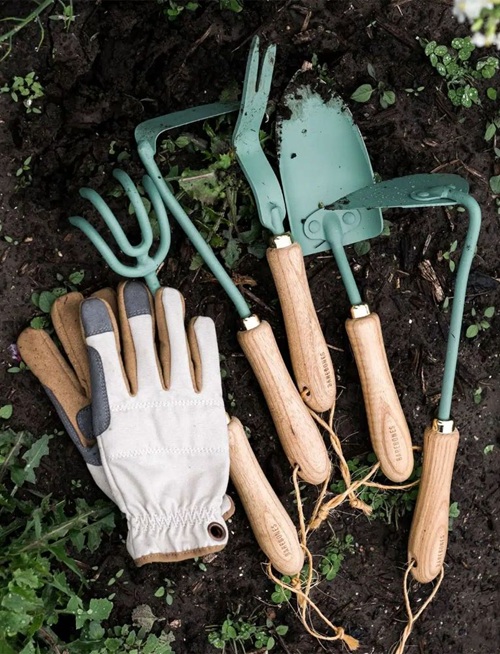
If you are planning to repot several plants together, then a small indoor gardening tool set might be all you need with a guide on houseplants to know what your green buddies like.
And remember, newly repotted plants may not need the same watering routine they had before. Check the soil before watering, because fresh potting mix can hold moisture differently from the old, compacted soil.
Your plants don’t need a bigger pot every autumn. But there could be a few autumn’s where they wish for your care a little more. Let us know if these tips helped your green buddy in the comments below.