
As an Amazon Associate, we earn a small commission from qualifying purchases — at no extra cost to you.
Are you struggling with a flat-looking fishbone cactus and wondering why it’s not zig-zagging? Learn some tips to fix them.
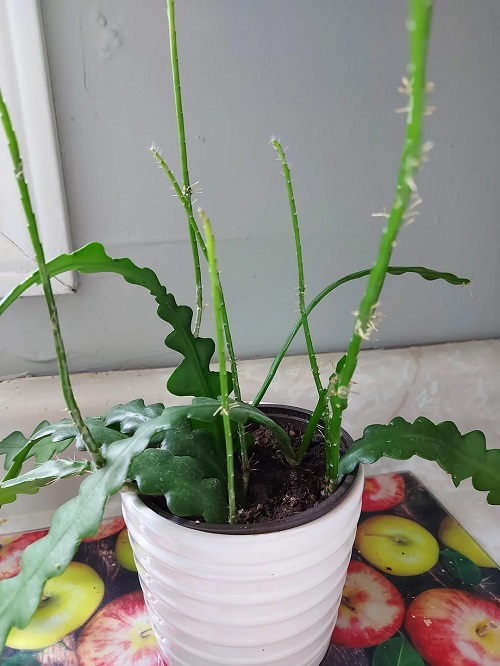
There is no houseplant with a unique and funky appearance like a fishbone cactus. It is an exotic vining cactus species native to Mexico. It is also known as the zig-zag cactus or ric-rac cactus, for its signature zig-zag pattern. When your fishbone cactus loses its pattern, it might be due to environmental stress. Here’s what is causing it and how to fix it.
Reasons Why Your Fishbone Cactus Isn’t Zig-Zagging
There are many reasons why your houseplant is not producing zig-zag pattern leaves. If your plant’s leaves look straight, thin, or underdeveloped, it is usually a sign that something needs to be adjusted. With the right balance of care and guidance, your fishbone cactus will start showing off its beautiful zigzag form in no time.
1. The Non-Negotiable Foundation
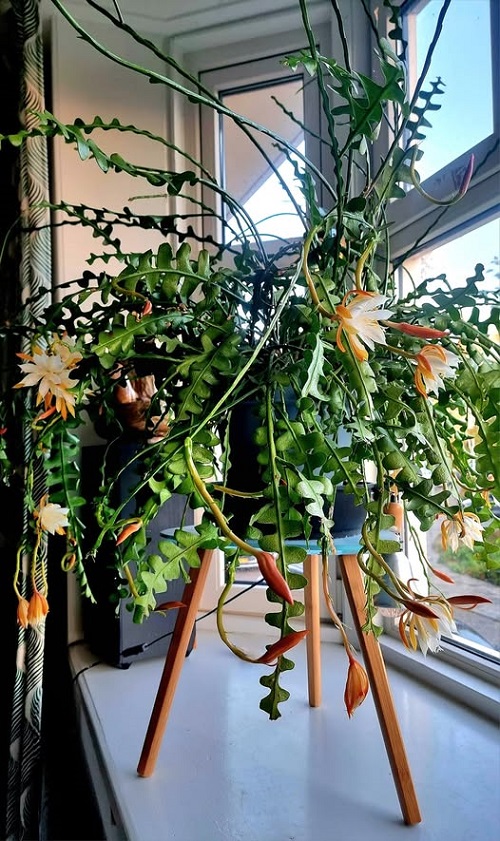
Fishbone cactus needs abundant, filtered light—but zero direct sunlight. If it gets too little bright indirect light, then the stems stretch thin and pale, and new growth slows.
If it gets too much direct sun, then the stems bleach yellow or develop crispy brown patches.
When the sunlight is just right, the deep green, taut stems have tight, even zigzags.
Tip: East-facing windows are ideal year-round. West-facing? Use a sheer curtain. For a South-facing one? Put a cloth that gives 50% shade.
2. Soil And Potting
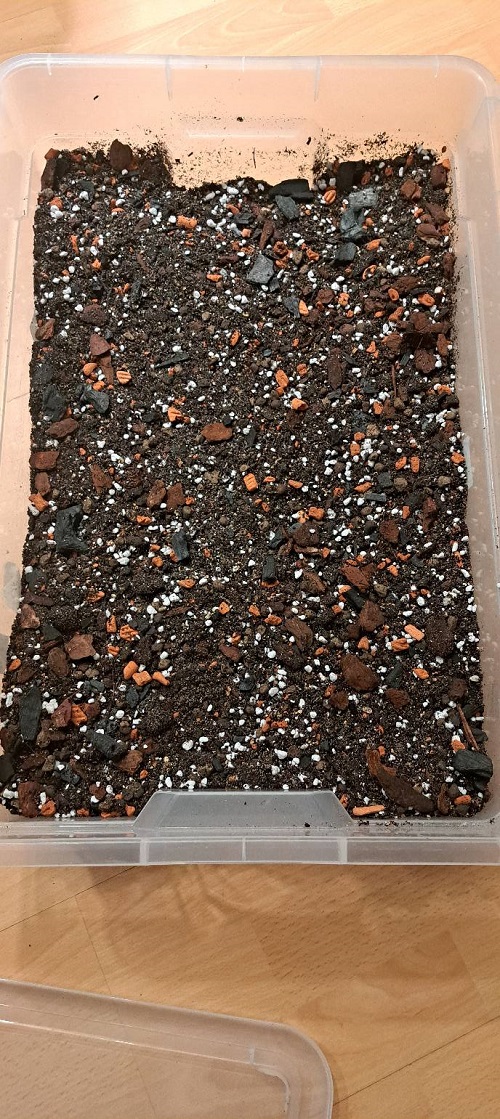
The Fishbone cactus thrives in soil that provides excellent drainage. Choose a soil mix that includes components like coarse sand, perlite, or pumice. These materials help create a porous soil structure, allowing water to drain away quickly and preventing the roots from sitting in water, which can cause root rot.
Another critical aspect of soil for the Fishbone cactus is the pH level. Ideally, the soil pH should be between 6 and 7.5. This slightly acidic to neutral range is perfect for facilitating nutrient absorption without causing deficiencies or toxicities.
3. Water Smart
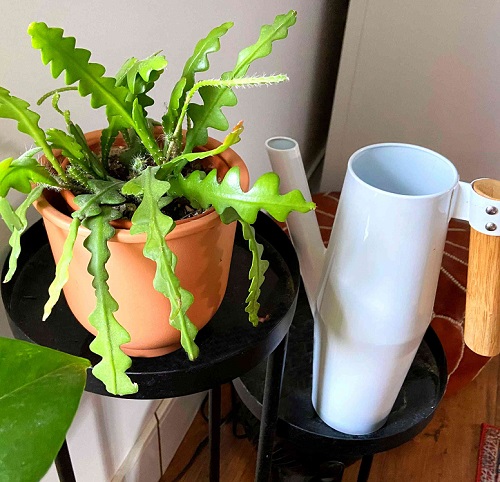
All cacti love it dry, and your fishbone cactus is no exception. Before you think that it is not growing properly because of less water, you might be partially wrong. If you are not sure if it needs water or not, then try using your finger or a moisture meter to make sure the top half of the soil is dry. Or you can wait a day or two before watering.
Remember, Fishbone cactus is a tropical houseplant that needs minimal care and water.
4. Forcing New Growth
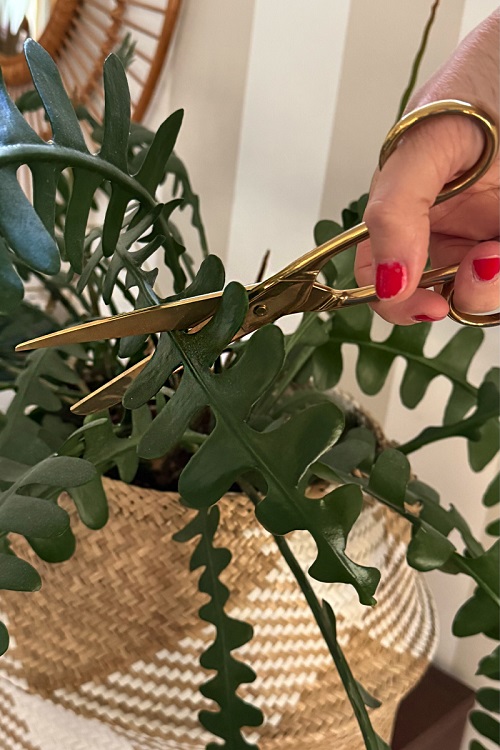
Pruning is one of the important tips to grow your fishbone cactus into its signature pattern. If your plant already has straight leaves, then grab a sharp pair of scissors to chop the leaves. This will force it to grow new, thicker, and properly shaped stems.
5. Temperature And Humidity
Perfectly suited for a home environment, the fishbone cactus requires warm temperatures ranging from 60-77°F in summer and can survive temperature drops to around 50°F during winter. With its unique appearance, this cactus species makes an attractive addition as a houseplant.
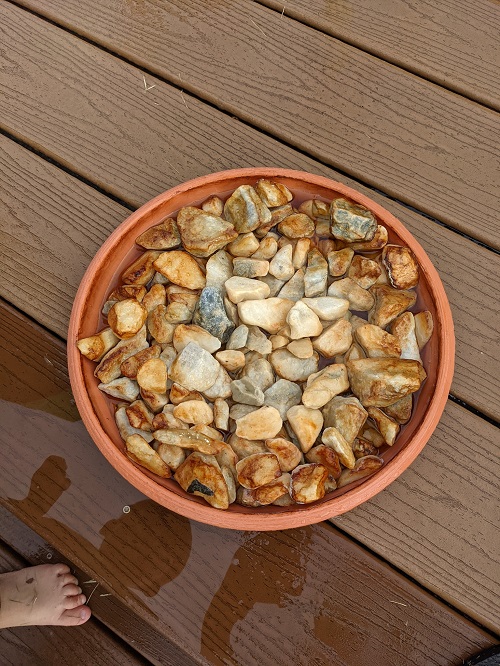
Investing in a humidifier or pebble tray filled with water and placed under the pot is a great way to ensure your cactus receives enough moisture.
6. Feeding Your Plant
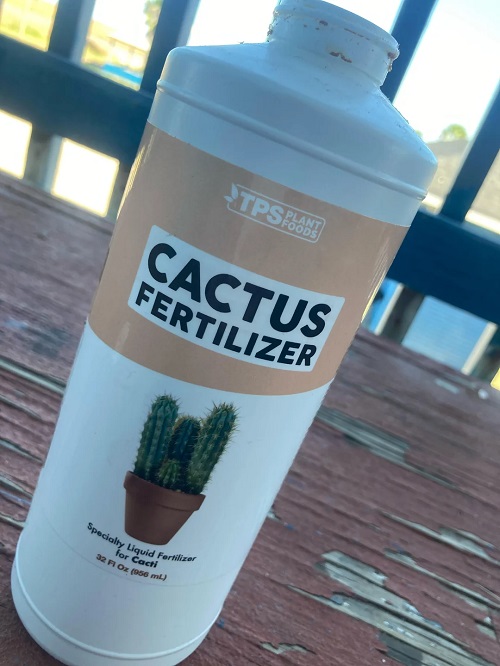
Your fishbone cactus should be fertilized once in the early spring with a liquid cactus fertilizer. Fishbone cactus needs minimal feeding—and never during winter or drought stress. Over-fertilization causes salt burn, causing brown leaf tips, brittle stems, and suppressed flowering. Use only an organic, low-nitrogen, bloom-promoting formula: 2–6–6 or 3–9–6 (N-P-K), derived from fish emulsion + kelp + rock phosphate.
Tip: As long as its potting medium contains organic matter (peat moss and/or orchid bark mix), the fishbone cactus will not require any additional fertilizing throughout the year.
7. Patience Is The Key
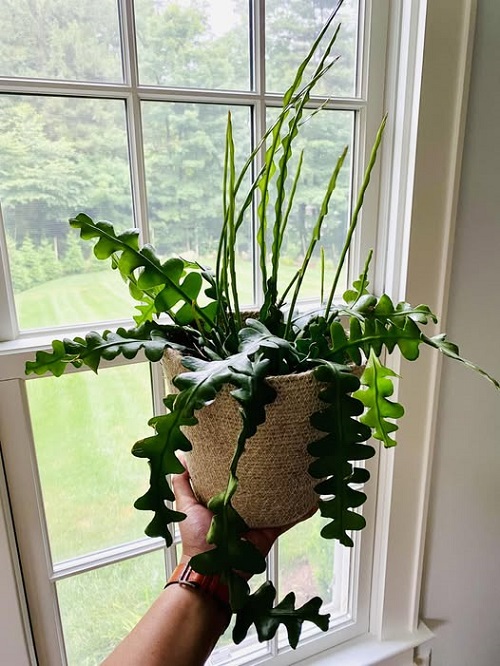
The rate of fishbone cactus growth is fast. Therefore, if you are someone who has low patience levels to see your houseplant grow into its beautiful pattern, then this is it.
A pro tip: It might sound funny, but regular interaction means you will notice changes faster. Plus, a little extra attention is equal to better care overall, which helps growth.
As plant parents, we all want our plants to grow to their full potential, and when they don’t, we all stress. But with all these tips and tricks on your list, you will see your fishbone cactus return to its zigzag signature pattern stems in no time. All you need is proper care and a little patience.
Don’t forget to save this guide and let us know in the comments your plant’s journey from flat-looking to zig-zagging pattern.