
As an Amazon Associate, we earn a small commission from qualifying purchases — at no extra cost to you.
Learn tips and tricks to grow a healthy Peanut Cactus, because we are sure you are going to love this dainty beauty from top to bottom.
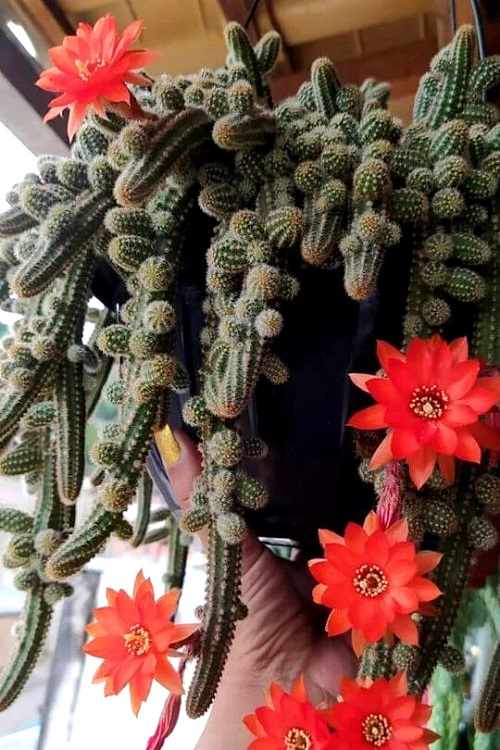
The Peanut Cactus is one heck of a dramatic best friend. It spills out of pots and surprises you with bright blooms when you least expect them, and yes, it is one of the easiest cacti to grow. And a secret—it is forgiving.
Grow a Peanut Cactus Easily
1. Give It Bright Light
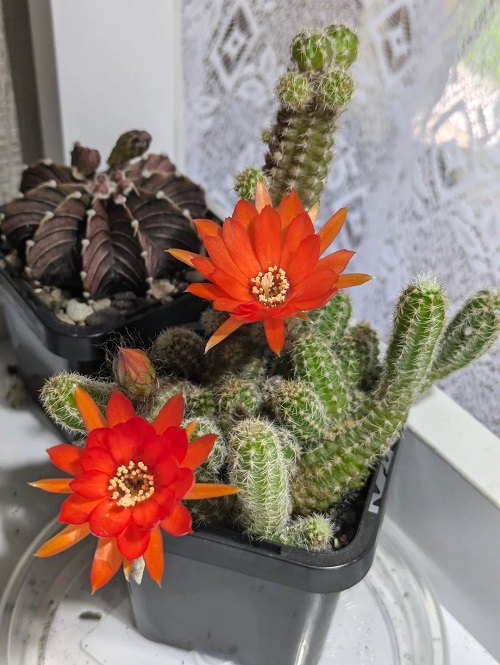
Your Peanut Cactus loves sunlight the way people love winter sunshine on a cold morning. Place it near a bright window where it can get around 4–6 hours of indirect or gentle morning sunlight. East-facing balconies or windows work best.
If the stems start looking pale or stretched out, your cactus is silently begging for more light. On the other hand, brown crispy patches usually mean harsh afternoon sunburn.
Trick: Rotate the pot every few weeks. Otherwise, your cactus will lean toward the light.
2. Water Less
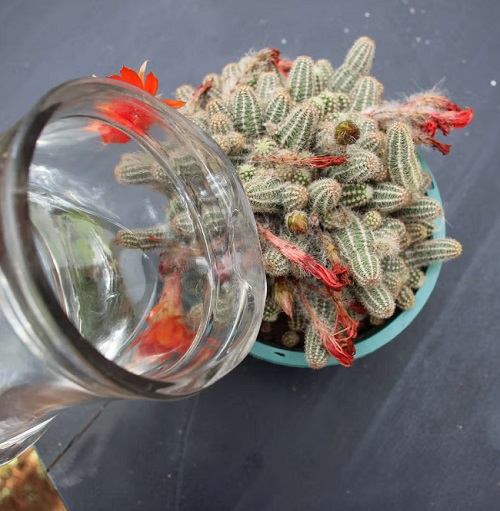
The Peanut Cactus stores water inside its stems, so it absolutely hates sitting in soggy soil. Water only when the soil feels completely dry. Hey, dry means dry, not slightly damp soil either.
During the summer, watering every 10–14 days usually works. In winter, the plant goes semi-dormant and may need water only once a month. Dry pots are lighter, so you know your cue.
3. Use The Right Soil
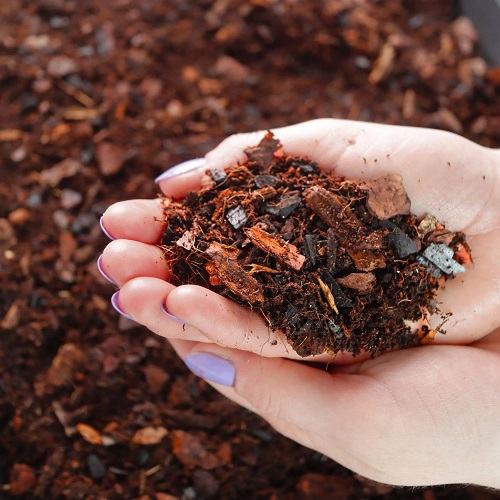
Your Peanut Cactus needs fast-draining soil that doesn’t hold excess moisture. A cactus or succulent mix works perfectly. You can also make your own by mixing regular potting soil, sand, perlite, or pumice.
And always use a pot with drainage holes. Cute pots without holes may look aesthetic, but your cactus values survival over aesthetics.
4. Don’t Panic Over Wrinkles
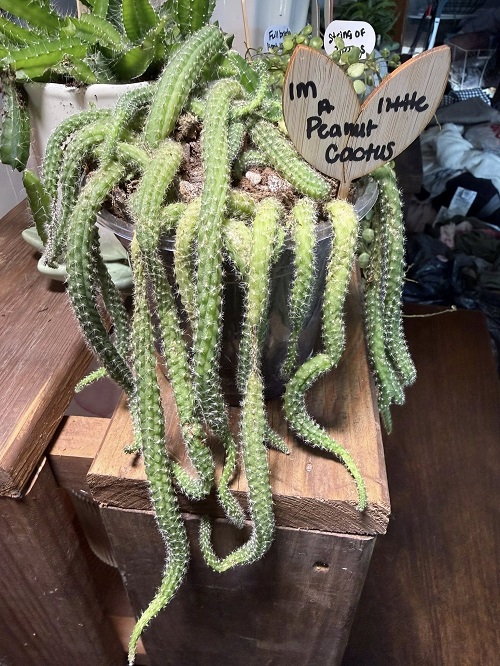
Wrinkly stems can look alarming, but they don’t always mean your plant is dying. Sometimes the Peanut Cactus wrinkles because it’s thirsty. Other times, it wrinkles because the roots are rotting from overwatering.
See, soft and mushy stems mean too much water. Thin and shriveled stems mean it needs water.
5. Give It A Winter Break
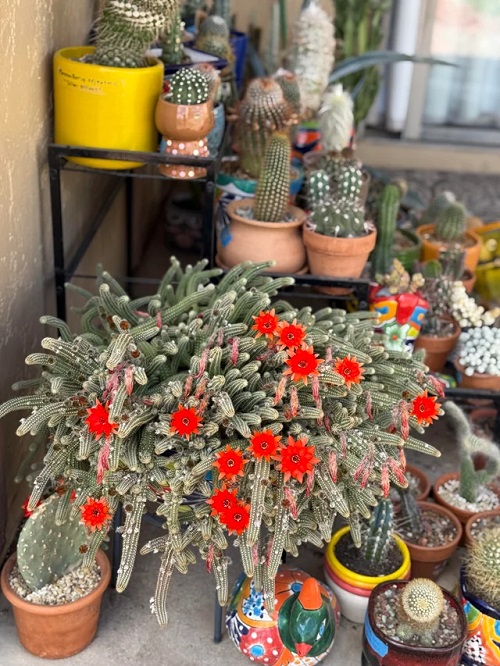
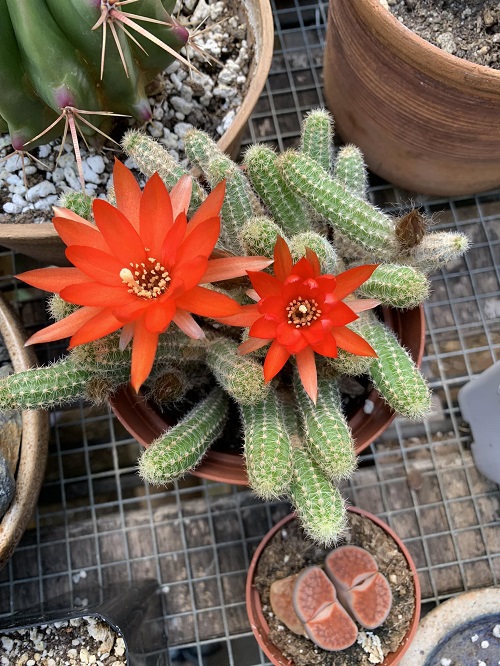
Those bright orange-red blooms are the main character moment of this cactus. But flowering doesn’t happen randomly.
Keep the plant slightly cooler during winter, reduce watering, and give it bright sunlight consistently. This resting phase helps the cactus prepare for the flowering season in spring.
6. Propagate
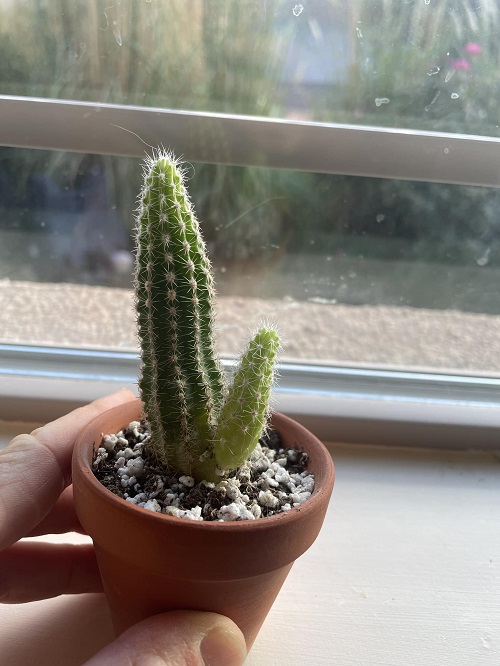
If a stem breaks off, don’t throw it away. Let the cutting dry for a day or two, place it on dry cactus soil, and wait. That’s it. Eventually, tiny roots will form, and suddenly you have another plant for free.
7. Ignore It, but Just A Little
Ironically, the Peanut Cactus often grows better when you stop obsessing over it. You don’t need complicated fertilizers, daily misting, or twelve-step care routines. Just give it light, occasional water, and space to do its cactus growth thing.
Stop obsessing and start practically caring, and you’ll see the difference in all your plants. If this helped your peanut cactus grow healthily, let us know how they reacted to these tips in the comments below!