
As an Amazon Associate, we earn a small commission from qualifying purchases — at no extra cost to you.
Want to fertilize your Aloe vera? Look no further than the kitchen dustbin! Confused? Learn how to feed your succulent using kitchen waste!
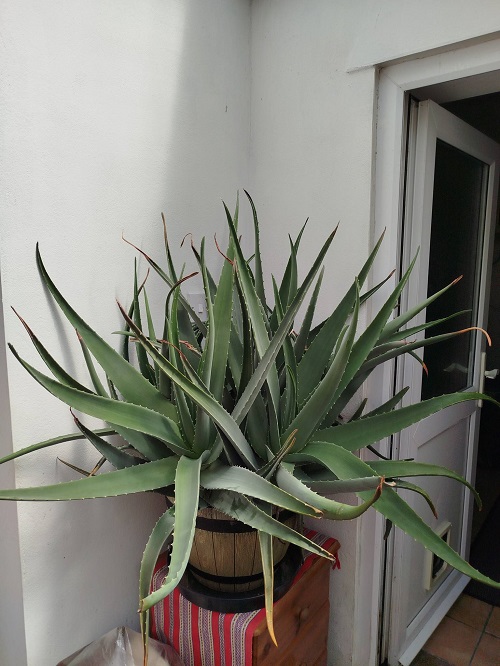
Additional nutritional supplements always do wonders for plants, even if it’s an aloe vera! But not everyone can go shopping for expensive industrial fertilizers. Also, these chemicals can do more harm than good if you don’t know how to use them. Therefore, here are some safer ways you can feed your aloe vera using mere kitchen waste, making it a win-win scenario!
Does Aloe Vera Even Need Fertilizers?
Aloe Vera is a resilient succulent that has biologically adapted to survive in the harshest of conditions. Originating in the arid Arabian Peninsula, this plant can bear through long periods of drought by storing high water content in its fleshy stem.
Along with that, it grows in gravelly soil, which is usually not considered the most fertile. Yet it finds a way to make the most with nutrients present in the substrate. All in all, an aloe vera can do perfectly well without external nutritional supplementation. As a matter of fact, over-fertilizing it or executing the process in an improper manner can lead to burn and do more harm than good.
However, with all that being said, no plant would say no to a little boost in nutrition if done in the right way. Most experts suggest that using a mild, slow-releasing fertilizer in the active growing season can do wonders for your aloe vera. But keep in mind, halt fertilization during dormancy.
Best Kind of Kitchen Waste Fertilizers
Now that we know that we can use nutritional supplements to aid growth in our aloe vera, the question arises which fertilizers are the best, and can we use home-made ones? In short, YES! The following are the top fertilizers you can make without spending a penny, and boost your plants’ growth!
1. Compost
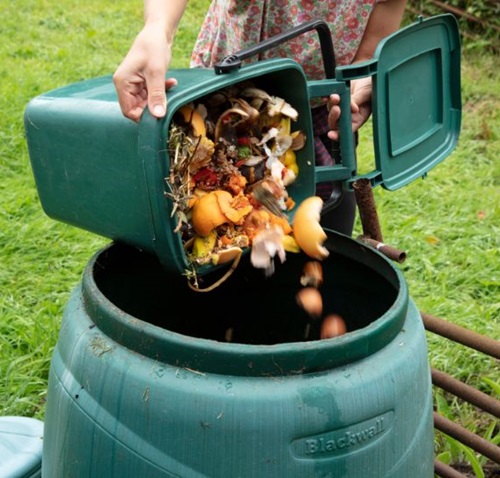
Compost is considered one of the most balanced homemade fertilizers, which provides all three of the main nutrients: nitrogen, potassium, and phosphorus (depending on the contents used to make it). Along with that, it also improves the soil texture, permeability, and water retention.
- Collect all the vegetable peels, tea leaves, or fruit residue and toss them into a “compost bin.”
- Allow the organic matter to naturally decompose over a period of a month or so.
- Once the matter has broken down enough, you can easily mix portions of it into the top soil of your aloe vera plant.
Note: The compost can get quite smelly, so remember to mix it around every week and place the bin far away from where you usually reside.
2. Vegetable Broth
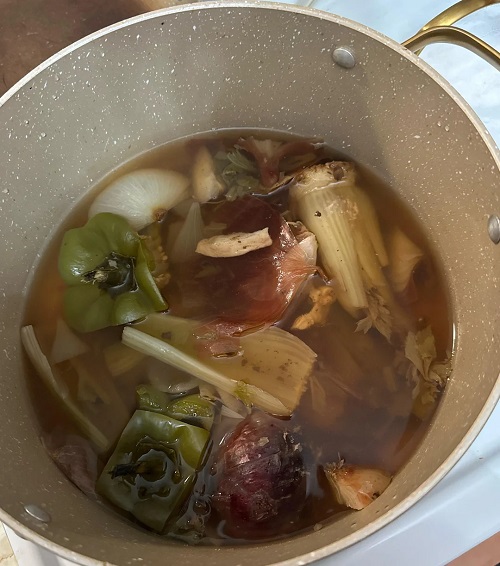
While cooking, we usually boil vegetables to make them more digestible. During this process, many nutrients like potassium, calcium, and magnesium leach off and dissolve into the water. This “waste” can be repurposed to feed plants like aloe vera.
- Simply store the water in which your veggies have been boiled.
- Ensure that no harsh compounds like salt or spices have been used during the boiling process.
- Once the liquid has cooled down, transfer it to a spray bottle or dilute it with water and water your plant.
3. Powdered Eggshell
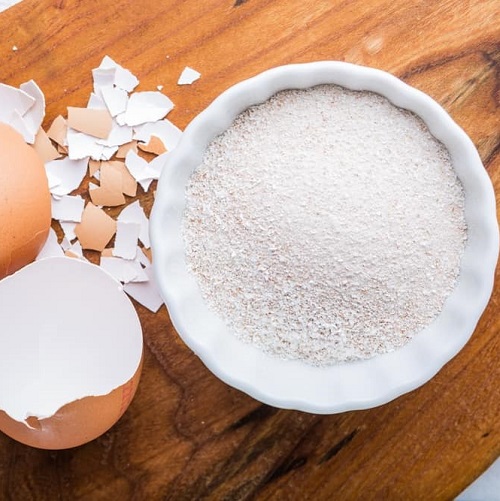
Eggs are not only beneficial for humans, but also very useful for plants! They are rich in calcium carbonate, which is required to strengthen the cell walls and structural integrity of the overall plant. Mixing them with the soil also improves aeration and soil texture.
- Thoroughly wash and dry the eggshells.
- You can then manually crush them into a fine powder or use a mixer or grinder to form a chalky dust.
- Sprinkle or mix this powder with the potting mix, and it shall act as a slow-release fertilizer.
Note: The best results come when eggshells are mixed with a fresh batch of soil while repotting.
4. Banana Peel Tea
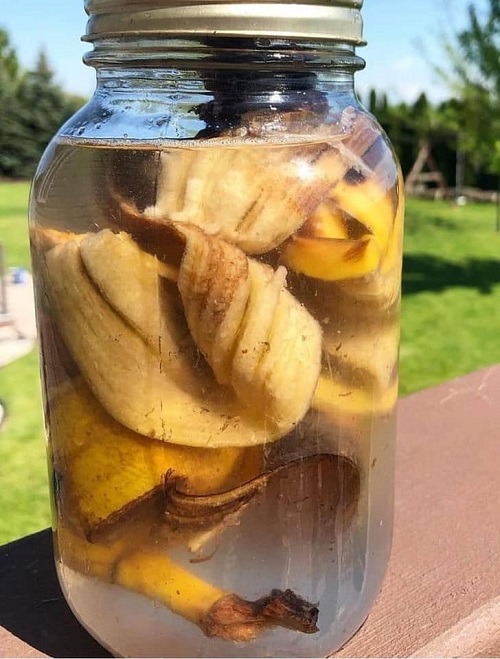
After munching on a banana, we often discard the peel. But that is a mistake if you are looking for natural ways to feed your aloe vera. This peel is rich in minerals like phosphorus, magnesium, and calcium, which can greatly alter your succulent’s health.
- To prepare this homemade fertilizer, just throw the banana peels into a jar of water. Let them stay submerged for a minimum period of 2-3 days.
- Once the resting period is done, strain out the liquid into a watering can or spray bottle and use it to water your aloe.
Note: You can even dry and grind the peels into a powder and use it in a similar fashion to eggshells.
5. Rice Water
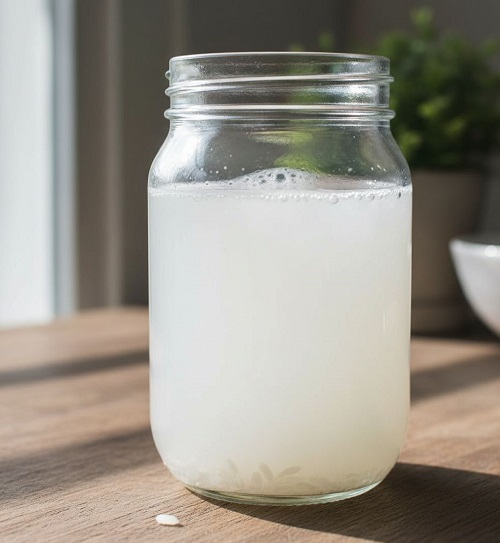
Rice is a staple food for most people all across the globe. To prepare rice, we boil it in water. Similar to the vegetable broth process, a lot of the minerals get lost in the liquid. A substantial portion of the nutrient components is starch. There are other nutrients as well, albeit in trace quantities.
- Collect the starchy water used to boil or soak rice and store it in an airtight container.
- Just before use, dilute the concoction with equal amounts of regular water and use it for watering your plant.
Note: Try pouring directly into the soil, as it may leave residue on the stem.
Now that you know some of the best kitchen waste fertilizers, let us know in the comment section which one worked out the best for you!