
As an Amazon Associate, we earn a small commission from qualifying purchases — at no extra cost to you.
Did you also come across some flowers that made you gasp and whisper, “No way those are real?” If not, then this one is for you!
Ever looked at a plant and imagined that these flowers were unreal or AI-generated? Well, in the world of AI, almost anything is possible, but nature isn’t holding back when it comes to creating unusual flowers that are too good to be true!
Plants With the Most Unusual Flowers
1. Corpse Flower
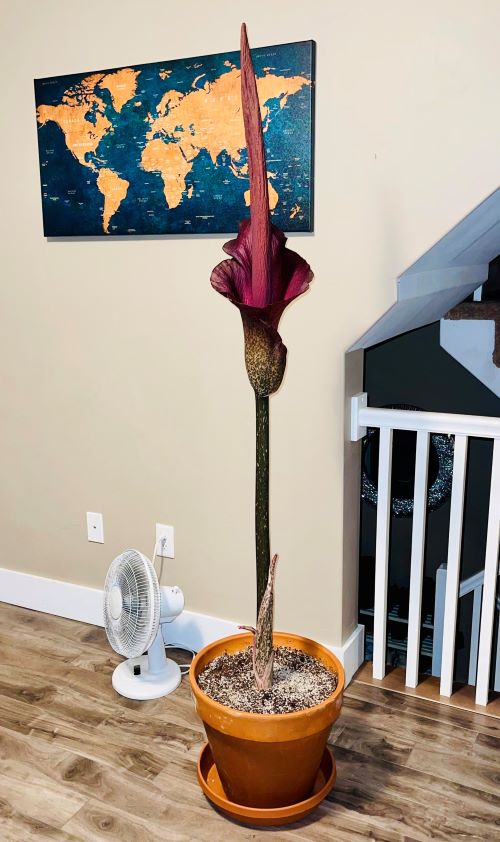
Scientific Name: Amorphophallus titanum
This flower screams, “go big and bold”. It produces one of the largest flowers in the world and smells like rotting meat when it blooms. Weird? Completely. But somehow, people still wait for hours just to witness it open.
2. Middlemist Red
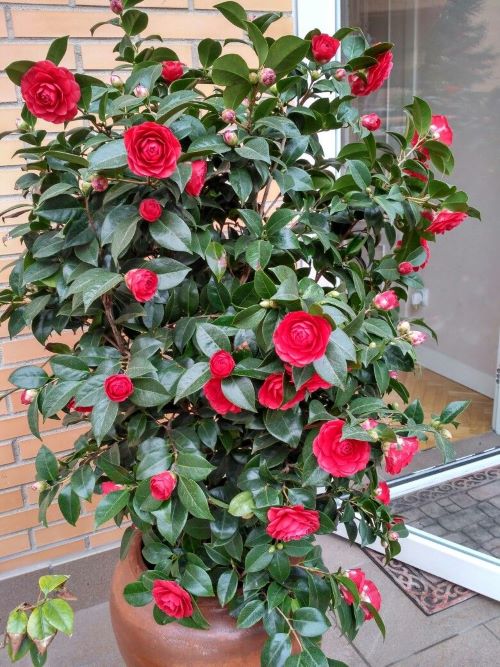
Scientific Name: Camellia japonica
This flower has layered pink petals that look soft and luxurious. And what makes it even more fascinating is how unbelievably rare it is because there are only a handful left in the world, which gives it an almost mythical and mystical charm.
Fun Fact: Middlemist Red is often called one of the rarest flowers on Earth. It disappeared from its native China and survives today only in a few cultivated locations.
3. Chocolate Cosmos
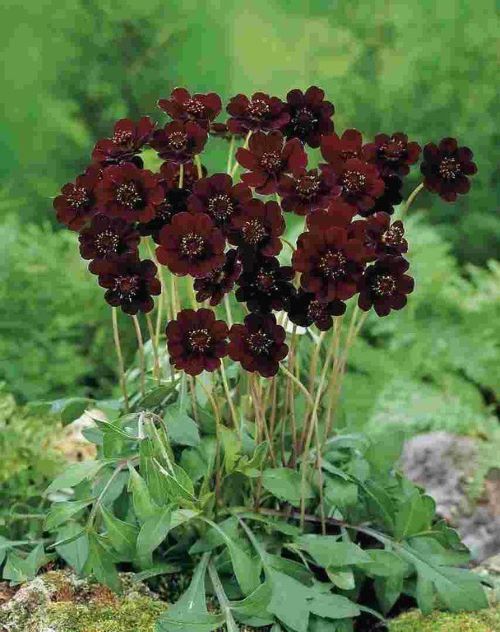
Scientific Name: Cosmos atrosanguineus
Dark, velvety petals and a subtle chocolate-like scent? Count us in. This flower seems to have a great personality. Its dark burgundy shade offers a moody and mysterious aura that will increase your coolness points.
4. Ghost Orchid
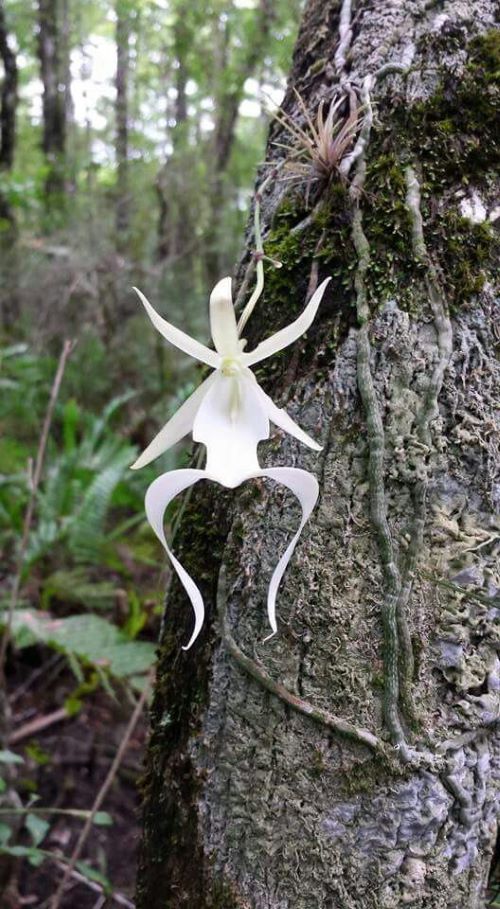
Scientific Name: Dendrophylax lindenii
The Ghost Orchid, hanging in the dark woods without any leaves visible, really looks like a glowing white ghost hanging in the air. Because of its fragility and rarity, this is one of the most beautiful and extraordinary flowers.
What makes it even stranger is that the plant has very few leaves. Most of its life happens through green roots that photosynthesize and help the orchid survive.
5. Jade Vine
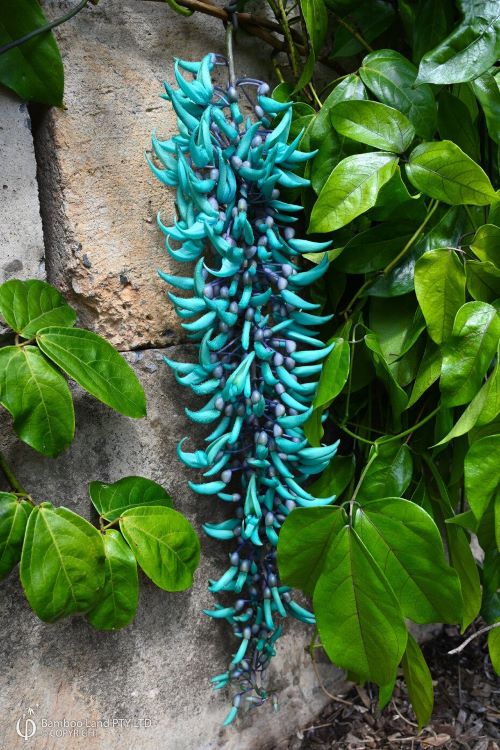
Scientific Name: Strongylodon macrobotrys
Another one that is all out, bold, loud, and proud. Its hanging claw-shaped flowers in a sweet turquoise shade make it look as if it is AI-generated because we are definitely stopping to look at it twice.
Its unusual blue-green color is incredibly rare in the plant world, which is one reason people often assume photos of Jade Vine have been edited.
6. Passion Flower
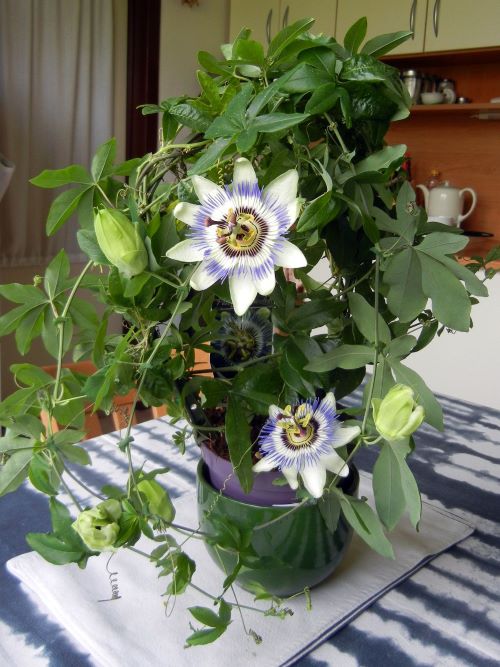
Scientific Name: Passiflora
At first glance, the Passion Flower looks less like a flower and more like a piece of art. Because the layers of filaments, colors, and patterns make it feel peaceful and relaxing to the core.
Many Passion Flower varieties also produce edible fruits. In fact, the popular passion fruit comes from certain members of this fascinating flower family.
7. Queen of the Night
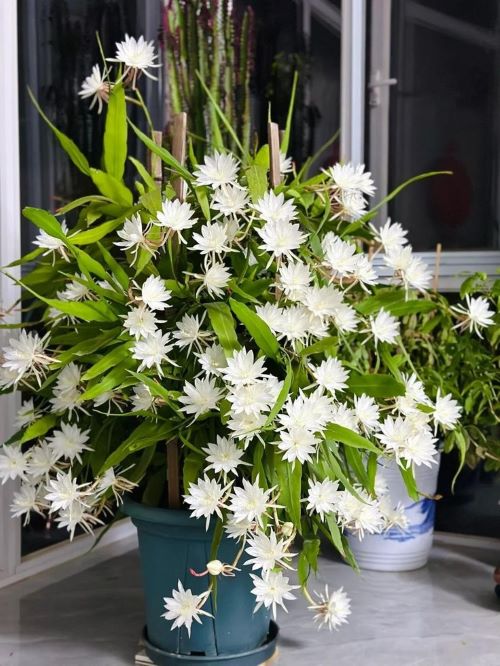
Scientific Name: Epiphyllum oxypetalum
Drumroll, please? The Queen of the Night blooms only for a few hours after dark, and by sunrise, the flower begins to fade. Watching it bloom feels almost magical because of the huge white petals with a dreamy fragrance, and an entire room suddenly feels straight out of a fairytale for one night only.
8. Bleeding Heart
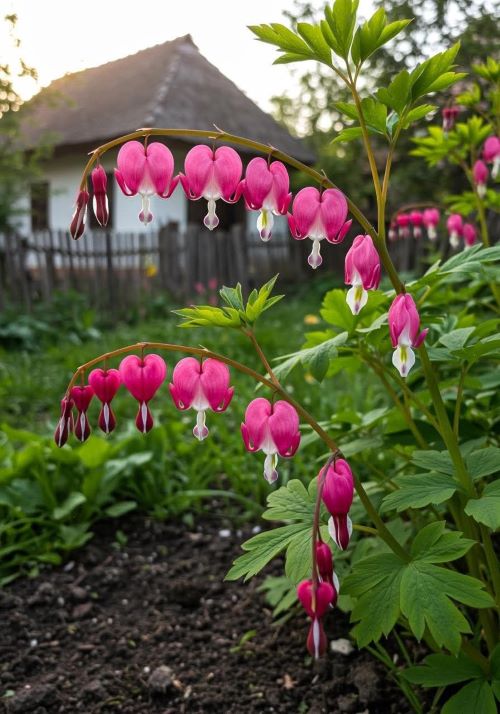
Scientific Name: Lamprocapnos spectabilis
The Bleeding Heart is emotional, and it is for all our emotional peers out there. Its tiny heart-shaped blooms hang delicately from curved stems like little lockets. It is poetic, metaphorical, and so dainty that it seems to capture the essence of the human heart and emotions at the same time.
9. Blue Himalayan Poppy
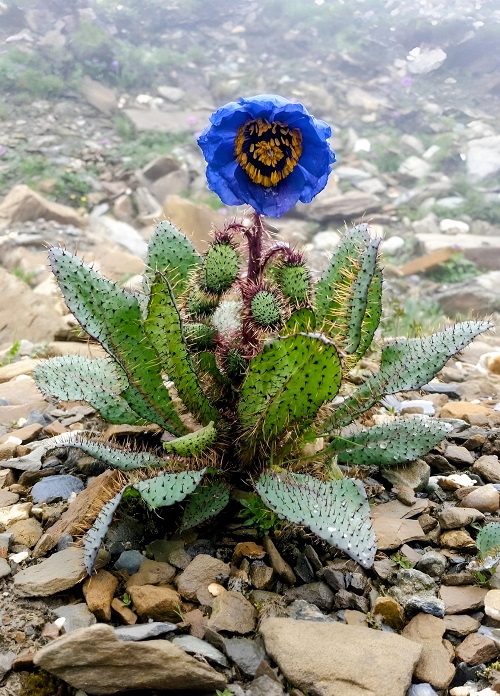
Scientific Name: Meconopsis
The Blue Himalayan Poppy blooms in a sky-blue tone, and because of this, it is extremely rare. Against misty mountain landscapes, it becomes even more unreal-looking.
True blue flowers are surprisingly uncommon in nature, which is why the Blue Himalayan Poppy often feels almost unreal when seen in bloom.
10. Parrot Flower
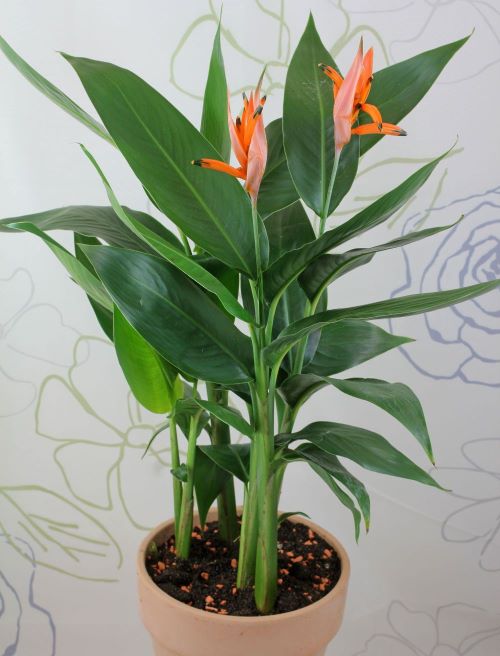
Scientific Name: Heliconia psittacorum
Its petals naturally resemble a tiny parrot, because it’s one of those plants that makes you question how creative nature can actually get. And we are all in to support that notion.
The bright colors are not just for looks. They help attract hummingbirds, which are among the plant’s most important pollinators in tropical regions.
For all the flower lovers, this one was for you. And if you loved this one, we are sure you are going to love the second part of this. Until then, let us know your pick in the comments below!