
As an Amazon Associate, we earn a small commission from qualifying purchases — at no extra cost to you.
Your plant looks green and healthy, but it’s not growing. Are there any secrets or any mistakes that we have been repeating? Let’s find out!
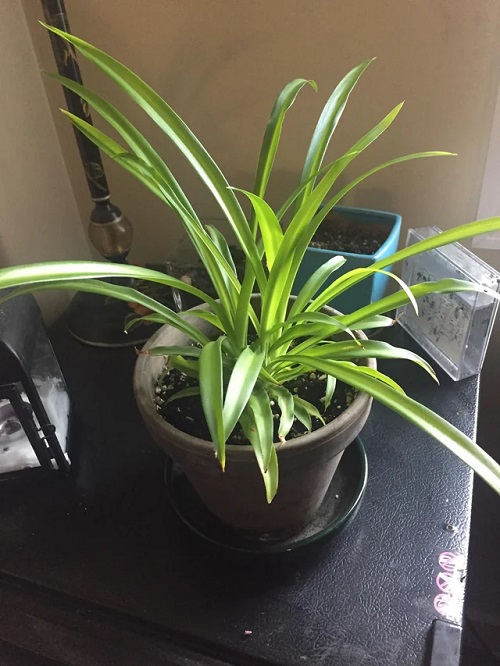
Your plant’s leaves are green and upright. It hasn’t wilted or turned yellow. So naturally, you assume everything is okay. But plants can be in survival mode for a long time, just staying alive without actively growing. It is a common thing for them, but don’t normalize it.
Why Does My Plant Not Grow?
1. It’s Root-Bound
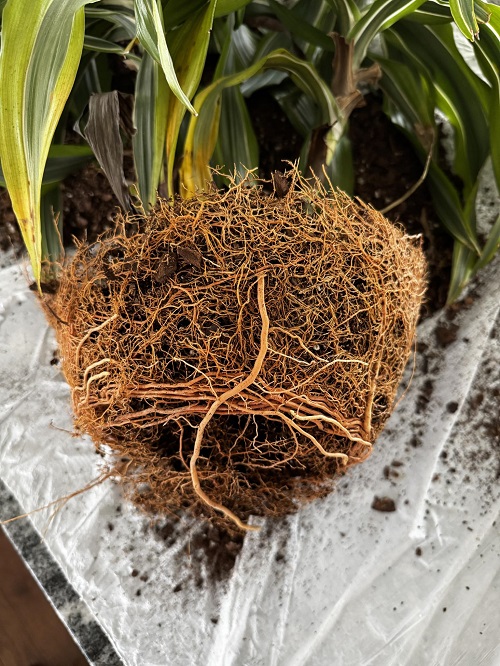
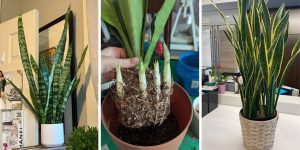
If your plant has been in the same pot for a long time, chances are its roots have grown in a circle inside the pot, having no room to grow further. From the outside, the plant may look completely healthy.
But inside? It’s overgrown, restricted, and quite stressed. Carefully remove the plant from the pot. If you find roots that are very densely entangled, you should repot the plant into a slightly bigger pot.
Tip: Don’t jump to a very large pot. Choose one just 1–2 inches bigger, or excess soil may hold too much moisture and slow growth again.
2. Light Is Just Enough but Not Optimal
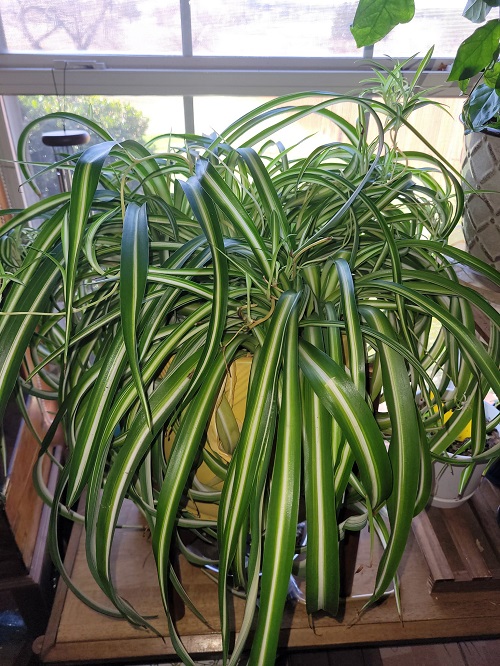
A plant placed in a dim corner may not die, but it also won’t grow. It’s conserving energy instead of using it to produce new leaves. So you see no new growth, even though the plant looks stable. Move it closer to natural light or provide brighter indirect sunlight.
3. Overwatering
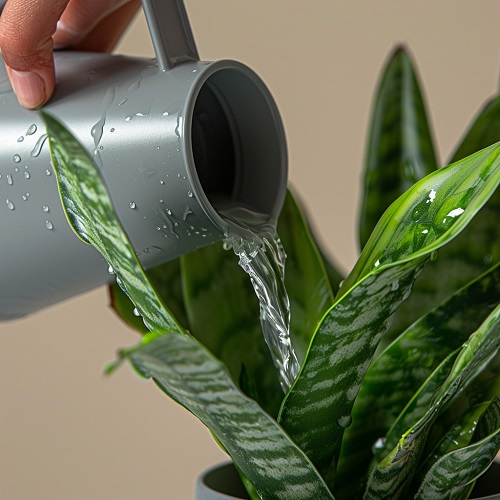
You believe giving water regularly is the way to go. However, excessive water deprives the roots of oxygen. And the most dreadful part is that overwatered plants usually remain green for quite some time. It is better to allow the soil to dry up before watering. Check the top 1-2 inches before watering again.
4. Nutrient Deficiency
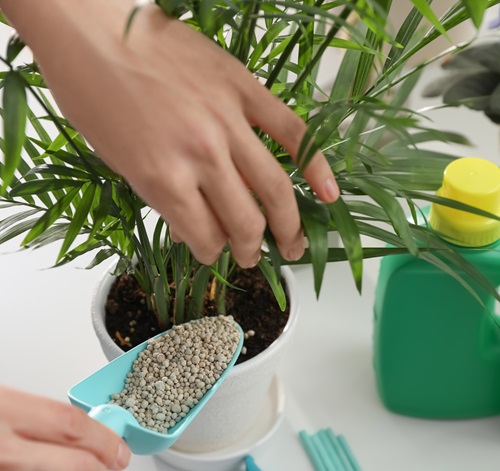
Your plant may be alive, but it might be hungry. If it’s been in the same soil for too long, the nutrients are likely depleted. No nutrients means no fuel for growth. Leaves stay green, but new ones don’t appear. Use a balanced fertilizer every few weeks during the growing season.
5. Seasonal Slowdown
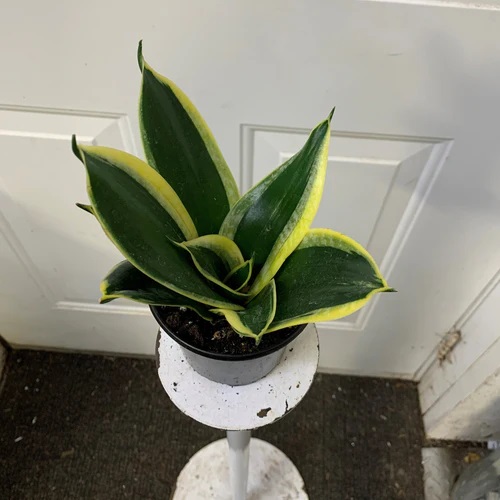
Plants naturally slow down during certain seasons, especially in winter or low-light months. Growth pauses, even if the plant looks perfectly fine. Be patient. Reduce watering and resume normal care when the growing season returns.
Reminder: Spring and early summer are your plant’s “growth months”—that’s when you’ll notice the biggest changes.
6. Stressed
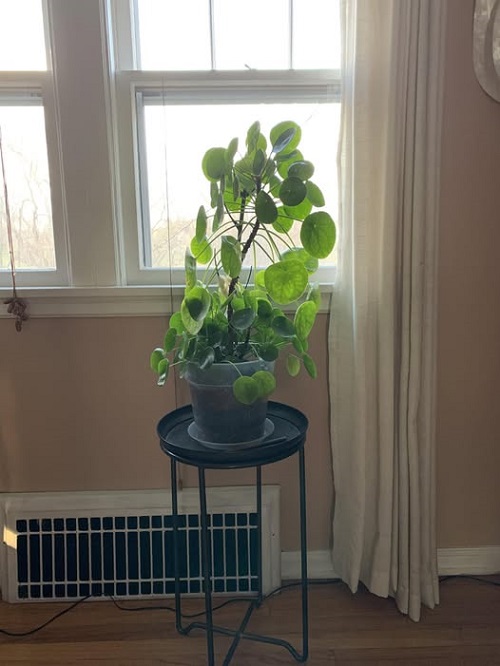
A recent change, new location, repotting, or temperature shift can shock your plant. Even if it looks okay, it might be adjusting internally. Growth pauses as the plant adapts. Give it time. Stability often brings growth back.
Small changes matter: Even shifting your plant from one room to another can take a couple of weeks for it to adjust.
It’s easy to feel like you’re doing everything right when the leaves are green and the plant looks “healthy.” But growth is the real sign of thriving. If you have decided to help your plants to grow now and take care of them, let us know which is your first step in the comments below!