
As an Amazon Associate, we earn a small commission from qualifying purchases — at no extra cost to you.
Is your Spider Plant turning solid green? Here’s why variegation fades—and what you can actually do to bring it back.
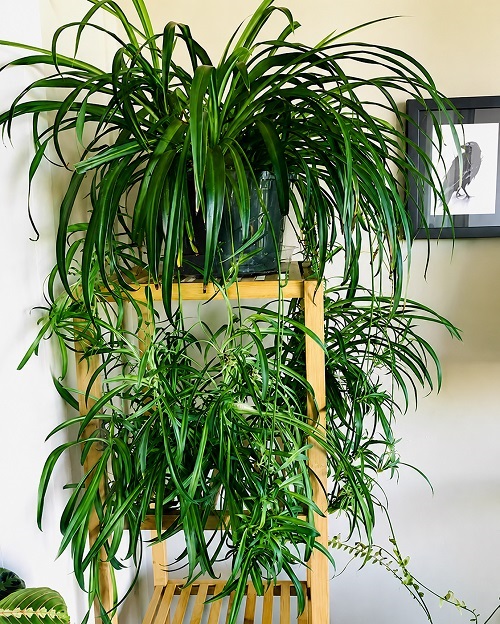
Spider plants are one of the easiest houseplants to grow—until the day you notice something’s off. If your spider plant has been sitting on the same shelf for months, doing its quiet, unfussy thing, and suddenly you notice that the white stripes are gone. Don’t panic! You can fix this by following this guide.
Spider Plant
The spider plant, scientifically known as Chlorophytum comosum, originates from tropical and southern Africa. Over the years, it has spread worldwide and has thrived as one of the most popular indoor plants. Its scientific name may sound fancy, but trust us, this plant is down-to-earth and friendly even for the newest plant parent.
But what about those beautiful white or yellow stripes that made you fall in love with the plant in the first place? They’re fading. Or worse, they’re completely gone. The leaves are just green. It’s a surprisingly common problem, and it’s one that tends to catch people off guard because everything else about the plant looks fine. It’s not wilting, not yellowing.
Understanding Variegation
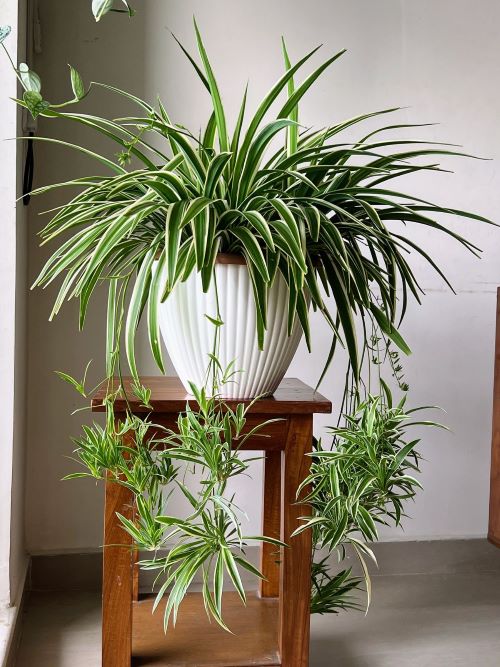
Before looking at the causes, let us understand what those stripes actually are, shall we?
Variegation is the natural pattern of different colors on a plant’s leaves. In spider plants, the green areas are mixed with white or cream sections. These lighter parts contain little or no chlorophyll, the green pigment plants use to make food through photosynthesis. While the green parts do most of the work, the white stripes give the plant its striking appearance.
Causes Of Fading White Stripe
If your spider plant is losing its variegation, these are the most common reasons.
1. Not Enough Light
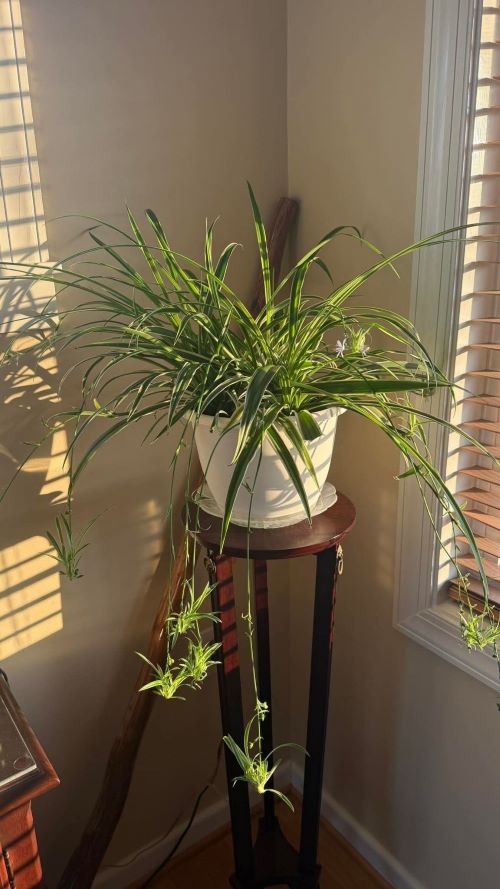
This is usually the biggest reason. When you keep your plant in a space that receives too little light, the leaves start to turn pale green. Spider plants prefer bright, indirect sunlight. But direct sunlight can scorch the leaves, and a dark corner isn’t ideal either.
What to do: Move the plant closer to a bright window where it receives filtered sunlight. An east-facing window works well. A south- or west-facing window is also suitable if a sheer curtain softens the direct sun.
If you grow spider plants outdoors, place them in light shade. Strong afternoon sun can burn the leaves, while deep shade may cause the stripes to fade over time.
2. Less Water
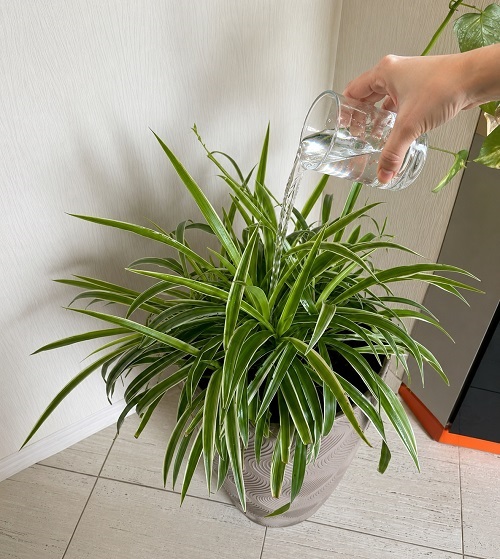
Another reason is that the plant doesn’t get enough water. Spider Plants are very hardy and can grow quickly with very little care. This plant can tolerate some neglect, but will grow lush and produce more leaves when the soil is kept moist with regular watering.
The key to watering a spider plant is finding the right balance. Spider plants are quite tolerant of water. Excessive water will cause the roots to rot, and very little water will cause the leaves to turn brown and crispy. The trick is to keep the soil slightly wet. Allow the top inch of the soil to dry before watering again. In winter, reduce water as the plant is growing slowly. Additionally, always provide good drainage in your pot to avoid waterlogging.
3. Lack Of Nutrients
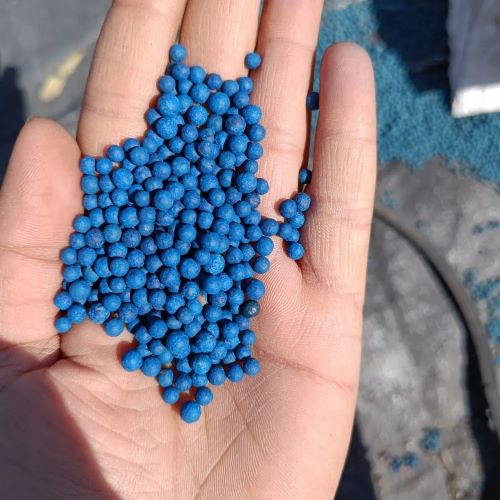
Lack of nutrients is less often a problem than the other things on this list. Spider plants aren’t heavy feeders, meaning they don’t need a lot of food. Feed once a month during spring and summer with a balanced liquid houseplant fertilizer at half strength. Excess fertilizer won’t restore variegation and may damage the roots.
4. Reversion
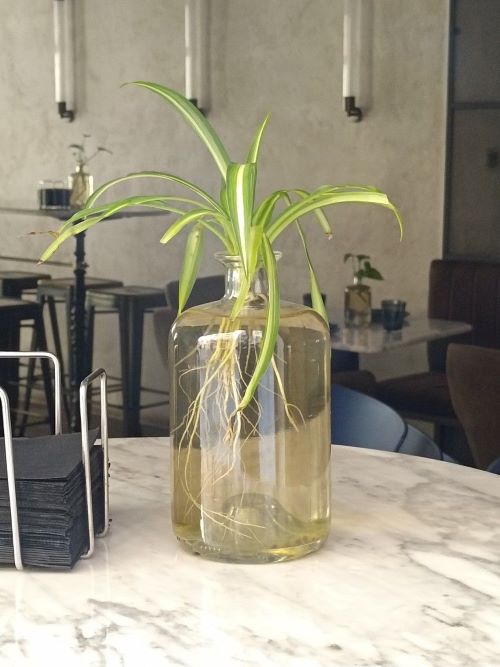
Sometimes, the loss of variegation isn’t just a stress response; it’s genetic reversion. Reversion happens when the cells responsible for the striped pattern gradually give way to fully green cells at a genetic level, pushing the plant back toward its ancestral, solid-green form.
This type of variegation loss is less common but more persistent. The most practical solution is propagation. Spider plants produce spiderettes, small offshoots that dangle from long runners.
5. Choose the Right Variety
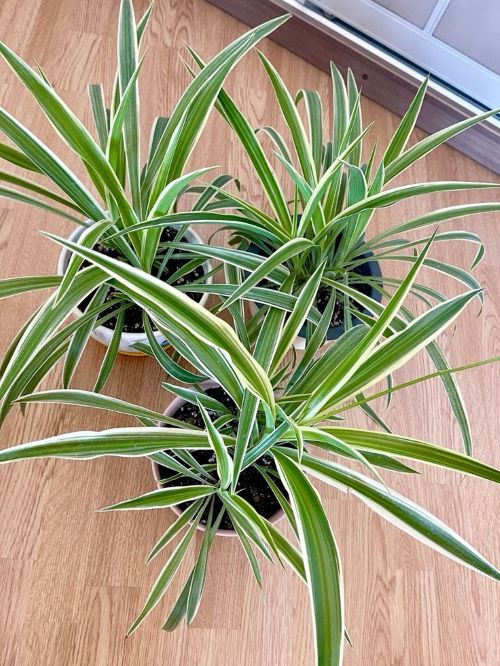
Not every spider plant is naturally variegated. Some varieties grow completely green leaves from the start, and that’s perfectly normal. If you bought your plant recently and it has always been green, check the plant label or variety name before trying to “fix” it. A solid green spider plant is healthy too; it just belongs to a different variety.
A spider plant losing its stripes isn’t a major issue, but it is a signal. Your plant is telling you that something in the environment isn’t right. Once the stripes are back, maintain proper care and a consistent care routine.
If you are facing the same problem, then try following this guide and let us know in the comments if it worked for you.