
As an Amazon Associate, we earn a small commission from qualifying purchases — at no extra cost to you.
Planning to add activated charcoal to snake plant soil? Read the benefits, risks, and how to use it correctly for better growth.
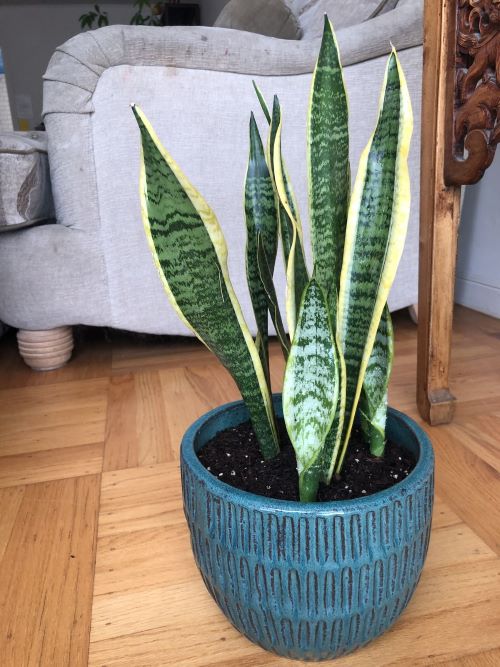
Snake plants are very resistant, so we do everything to keep them safe and healthy. However, we also often wonder if it is really a good choice because one bad experiment with the soil can turn out to be fatal for our snake plants. Now, we have come across activated charcoal, and if you are considering using it, you should definitely read this first.
Activated Charcoal for your Snake Plant Soil
1. Improved Drainage and Airflow
Activated charcoal is porous and lightweight, which means it helps create tiny air pockets in the soil. Snake plants love well-draining and sandy soil that mimics the dry environment of their native habitat. So, charcoal helps in draining excess water more easily.
This lowers the chance of root rot. If your soil was previously wet for days, you’ll find it dries more easily after the addition of charcoal.
2. Odor Control and Toxin Absorption
Activated charcoal has good absorbing ability. It can capture impurities, chemicals, and even moderate odors from the soil. If your potting mix has developed a musty smell because of overwatering or insufficient drainage, charcoal will be a good addition.
Charcoal won’t instantly cure a serious fungal infection, but it can make for a more hygienic and fresher environment that is less favorable to harmful bacteria.
3. Reduced Risk of Fungal Growth
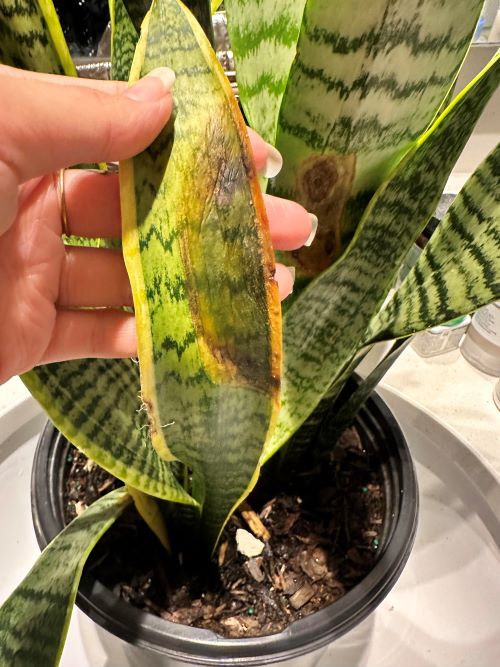
Activated charcoal helps manage excess moisture; it indirectly reduces conditions that promote fungal growth. Snake plants are vulnerable to root rot and fungal infections when the soil remains soggy. By improving airflow and moisture balance, charcoal lowers the chances of these problems developing.
But remember that charcoal is not a fungicide. It supports healthier conditions but doesn’t replace proper watering habits.
4. Better Root Health Over Time
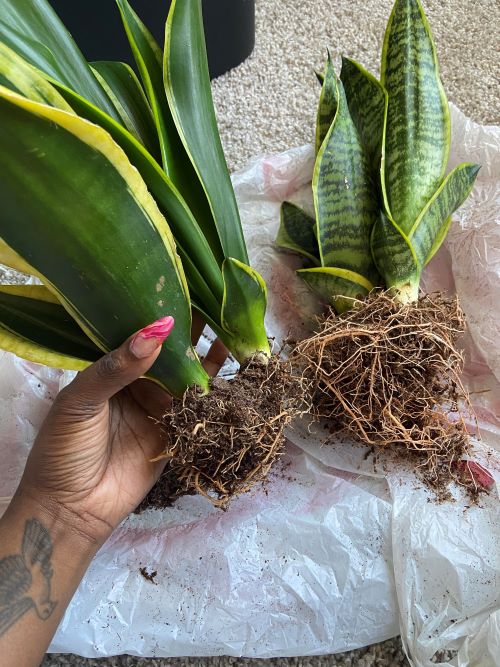
Healthy roots require oxygen, which they might even need more than water sometimes. When soil is compacted, it prevents roots from breathing, and this problem is aggravated in indoor pots that have no drainage. Active charcoal’s porous texture facilitates oxygen flow to the root system.
Eventually, this can lead to a healthier root system. If your plant was under stress due to inadequate soil conditions, you will probably see consistent growth and stronger leaves.
5. Remember
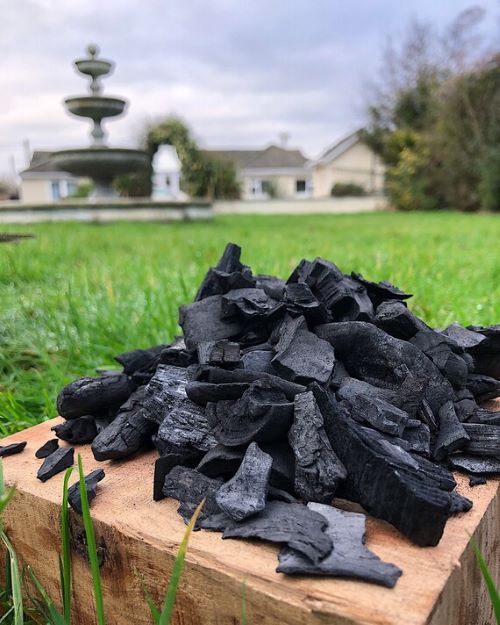
Adding activated charcoal does not give nutrients to your snake plant, as it does not contain significant amounts of nutrients. So if your plant needs nutrients, charcoal won’t be able to help, and the overuse of charcoal can even lead to the drying out of the soil.
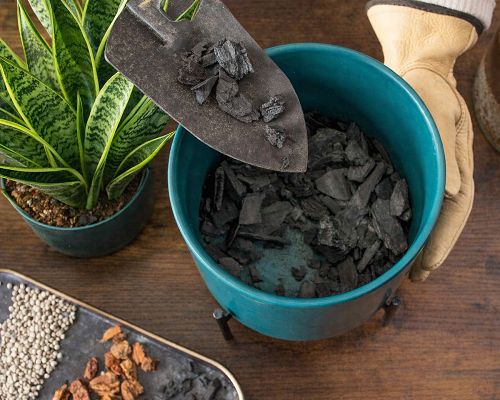
Besides that, it cannot substitute for a well-balanced soil that is a mix of different materials. Snake plants still require a good mix, which could be made up of sand, perlite, or cactus potting soil. Charcoal is ideally added as a minor component, usually about 5% to 10% of the total soil mix, not as the main component.
But, be sure that you are using horticultural activated charcoal, rather than the charcoal for grilling, as that may be filled with chemicals that can be fatal to your plant.
6. How to Use it
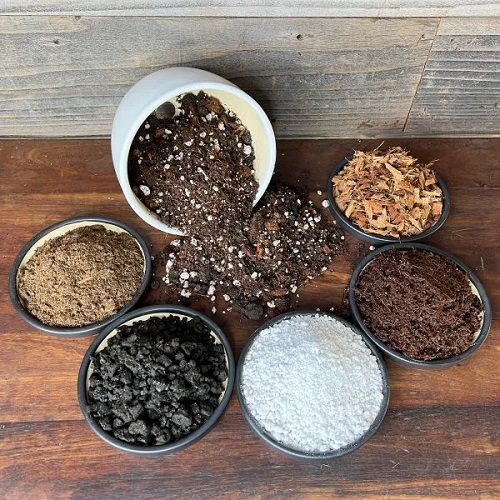
Mix a little activated charcoal into your potting mix that drains well. Your pot must have drainage holes, as charcoal alone cannot rescue poorly draining pots. After you have repotted, water lightly and check how fast the soil dries out compared to before.
Activated charcoal is not a magical solution for your snake plant to grow. However, it does have some benefits that you can utilize only if you plan it wisely. If you have used activated charcoal on your snake plants, please share your experience in the comments section below!