
As an Amazon Associate, we earn a small commission from qualifying purchases — at no extra cost to you.
Ever fascinated by the wide, crested leaves of Myrtillocactus geometrizans forma cristata and want one in your garden? Here is all you need to know.
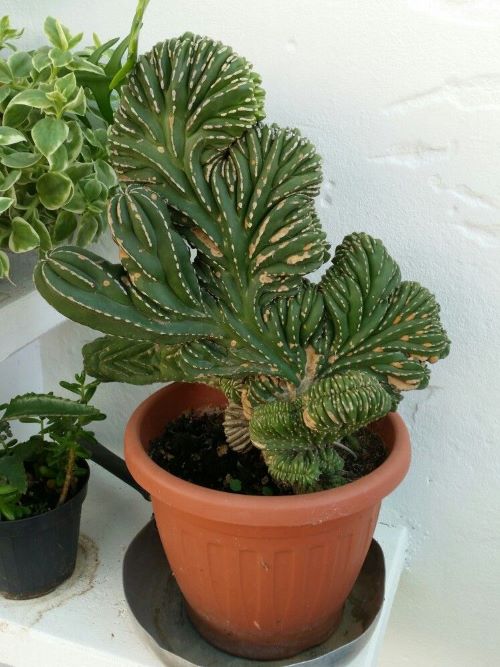
The natural habitat of this plant is on rocky hillsides and scrublands, just like the arid regions of central and northern Mexico. This area is typically dry with high temperatures and minimal rainfall, suitable for this hardy succulent, making it adaptable to drought and harsh conditions.
The most eye-catching feature of this plant is its iconic, blue-green, solid, wax-like-textured leaves. Unlike the standard Myrtillocactus geometrizans, which grows upright with cylindrical branches, the Dinosaur Back Cactus has a crested form. It is so because of the genetic mutation that gives the plant a unique, intertwined appearance, resembling the dinosaur’s back, from where it got its name.
Tricks to grow the Dinosaur Back Plant
This fascinating plant will be a beautiful addition to your garden, thanks to its unique appearance and rarity. They are the easiest to care for and are perfect pet-friendly houseplants.
1. Give Light but Indirect
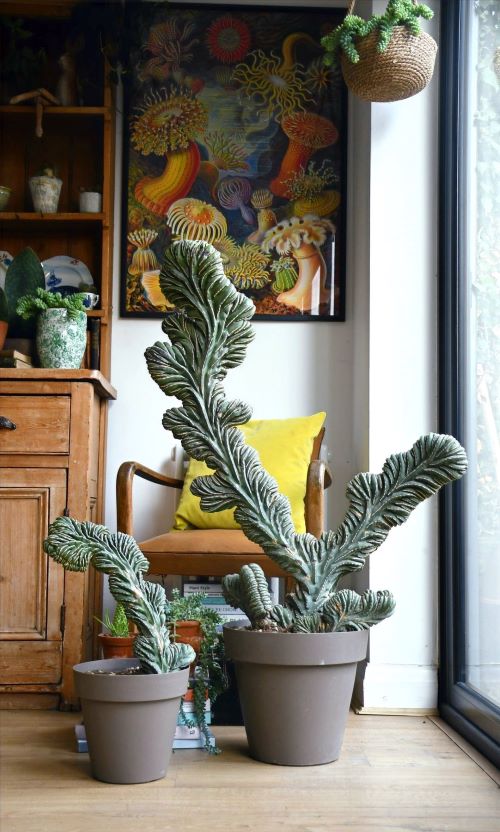
Dinosaur Back plants like to receive plenty of natural light, so the best place for them will be near a south- or east-facing window. Don’t place them in direct sunlight, as it is too intense and may result in scorching the leaves.
When outdoors, place them where they receive filtered sunlight or get partial shade. Avoid the areas where they might receive prolonged exposure to intense afternoon sun, which will cause sunburn.
2. Water When Required
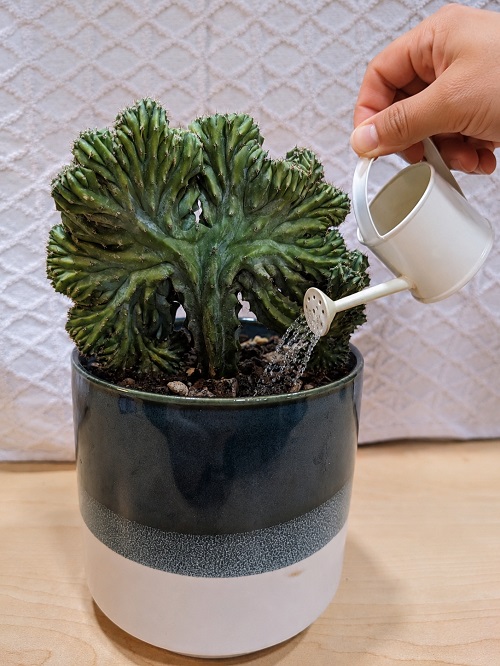
As they prefer dry environments, water them thoroughly but infrequently. According to the humidity levels at your home or garden, adjust the watering to every 2-4 weeks. Always let the top 2-3 inches of soil dry out before watering.
For outdoors, they might need more frequent watering, but that depends on your environment. Adjust the frequency based on rainfall and ensure the soil has good drainage so the water doesn’t collect around the roots.
3. Soil Requirements
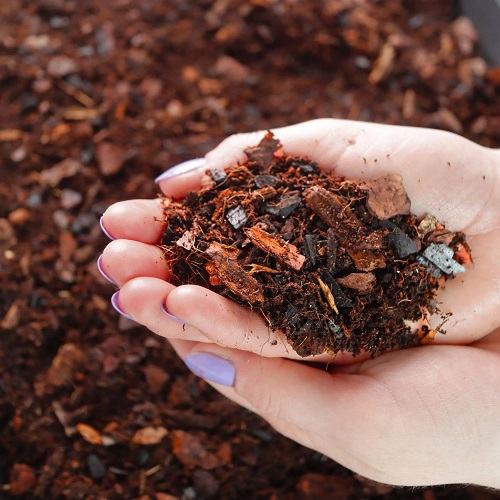
As the Dinosaur Back Plant is a cactus, it thrives in well-draining soil, which gives proper drainage and prevents water from accumulating. The soil recipe for this will be a ratio of 1 part potting soil, 1 part perlite, and 1 part sand or pumice, which works well to improve aeration and drainage.
When outdoors, choose a location with sand or gravelly soil that drains well; if not, incorporate it into that particular place.
4. Feed with Minimal Fertilizer
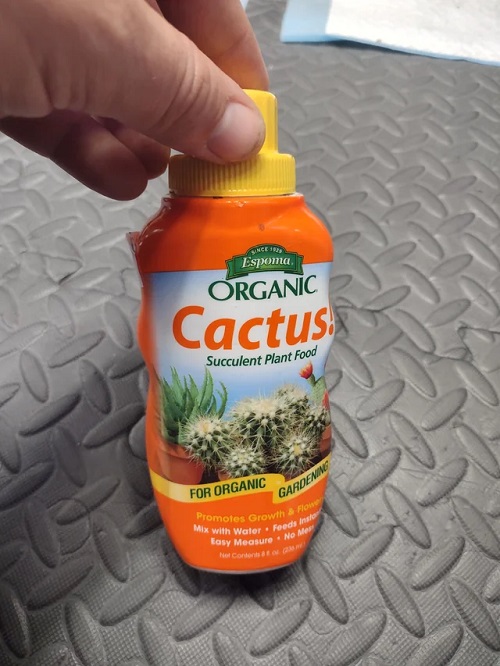
Dinosaur Back generally doesn’t need fertilizer to flourish, but if you want to boost its growth, feed it balanced and diluted cactus fertilizer. The ideal feeding time for them is during their growing season, i.e., spring and summer.
Use a general-purpose fertilizer with a ratio like 10-10-10 and apply it every 4-6 weeks. During fall and winter, stop feeding them, as they need less nutrition during this dormant period.
5. Temperature and Humidity
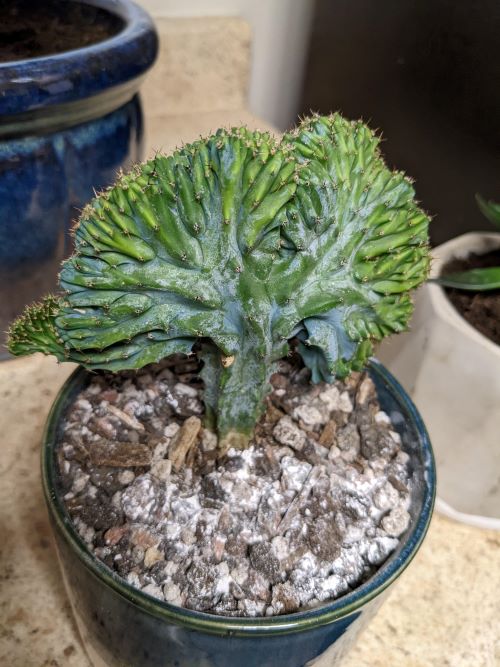
They enjoy a warm, dry climate and like to stay in temperatures between 60 to 80°F. It should not be exposed to temperatures below 50°F for extended periods. Never keep them near heaters or AC vents, as sudden temperature fluctuations will stress your plant.
Maintain the humidity level around 30-50%; that is ideal because they are adapted to low humidity. High levels can lead to fungal infections and root rot. To prevent this, ensure good air circulation around the plant and avoid overwatering.
6. Potting and Repotting
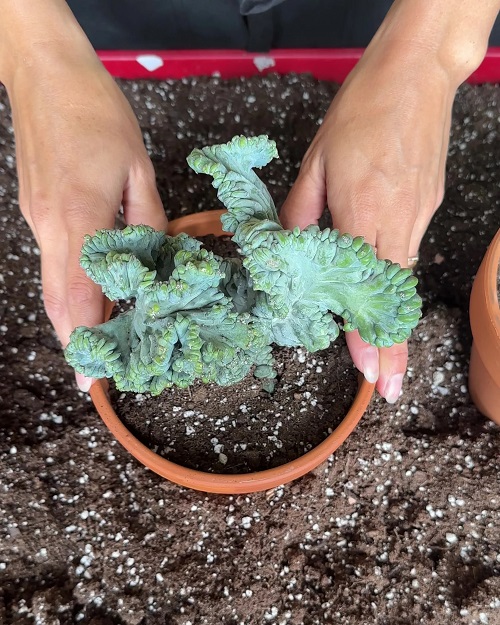
When picking up the pot, check that it has proper drainage holes to ensure excess water can escape. And, when you are repotting, select a container slightly larger than the current one to accommodate the plant’s root growth.
Remove the plant from its old home and shake off any excess soil from the roots gently. Then place them in the new pot with fresh soil and let the plant settle for a few days before watering it.
7. Prune the Ends
They are slow growers and do not need frequent pruning. But it will remove the dead ends and encourage compact growth. It will also help in improving air circulation and preventing the development of pests and diseases.
Prune the dinosaur back during the growing season with the help of scissors rubbed with alcohol, which will allow it to recover and grow back soon.
8. Propagate to get Plantlets
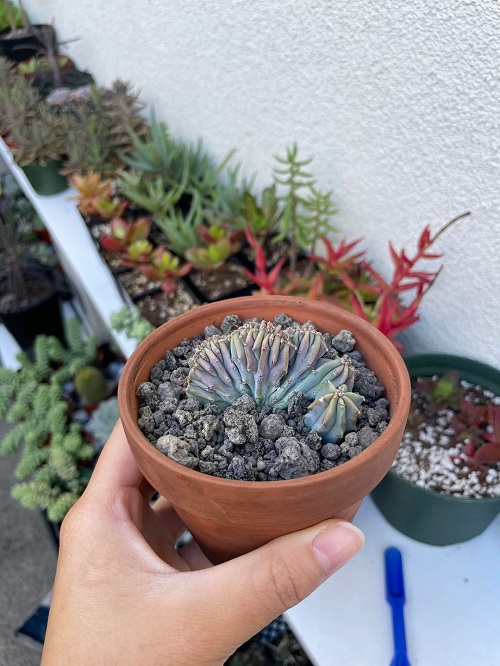
You can propagate them from cuttings or offsets. For offsets, hunt for small, mature growths at the base of the main plant. Separate the offsets from the mother plant and let the cut ends form a callus for a few days to prevent rot. Then keep your plantlets in a well-draining cactus mix, water them lightly, and place them in a warm, bright location with indirect sunlight. For cuttings, take a healthy section of the plant and allow it to callus, then plant it in a suitable soil mix.
9. Flowers and Fruits
Surprisingly, this plant bursts into cream-colored flowers in summer, which further turn into tiny, sweet, plum-like fruits. To see flowering, ensure that the plant receives plenty of bright, indirect light and is kept in a stable environment with proper watering and care.
10. Wipe the Leaves
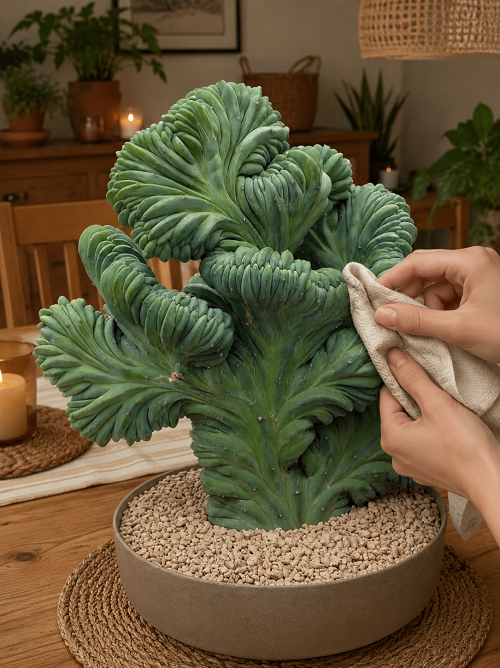
As they have textured foliage, dust accumulates easily and they can’t absorb light efficiently, which affects the overall growth. Gently wipe the leaves with a soft damp cloth once every couple of weeks. It will give the plant a fresh look with shinier foliage and will also improve photosynthesis.
11. Rotate the Pot
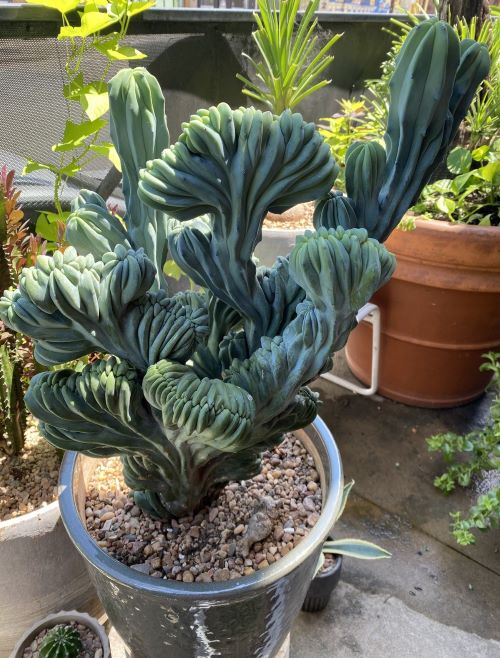
Plants have the tendency to grow naturally towards the light. If you have kept the pot in one direction for months, then the cactus will become uneven and lean heavily to one side. So, to get a balanced and fuller look from all angles, rotate the container slightly every week so it receives equal light exposure. It is a small trick but shows a noticeable difference with time.
12. Pests and Diseases
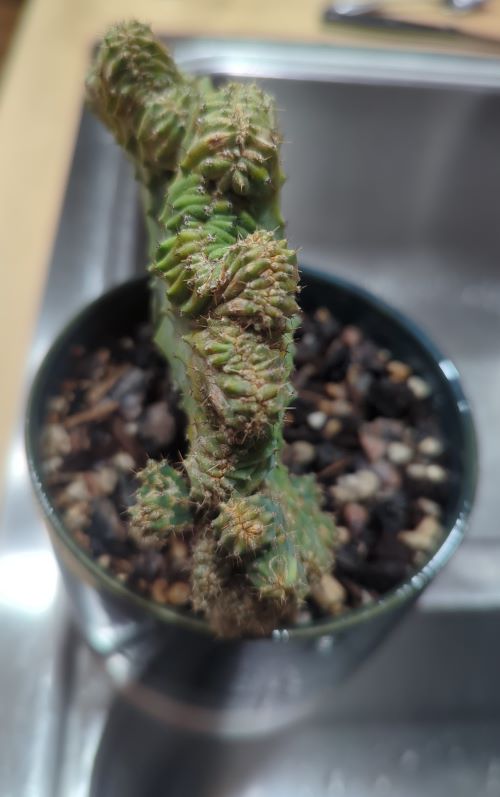
Pest infestations such as spider mites and mealybugs can appear, showing some visible signs like webbing and white cotton-like clusters, which damage the plant. Treat them by spraying insecticidal soap or neem oil. If you see the leaves are getting yellow or mushy, giving a generally unhealthy appearance, this is because of overwatering. When they receive insufficient light, they become leggy, thus losing their vibrant look.
This plant looks wild and dramatic, but caring for it is all summed up in the above 12 points. Add them to your indoor collection and tell us in the comments section what you liked the most about this plant.