
As an Amazon Associate, we earn a small commission from qualifying purchases — at no extra cost to you.
Explore houseplants that grow plantlets on their leaves to score unlimited free baby plants effortlessly. Plus, discover easy care tips!
Wouldn’t it be wonderful if plants could handle the hassle of propagation all by themselves? All the tedious work of taking cuttings and the nervous wait for roots to grow would be completely gone! Well, if this sounds like a dream indoor garden, it’s time to bring home these stunning houseplants that grow plantlets on their leaves. Read on to learn all about these self-cloners and discover an easy care guide to keep them thriving indoors.
Want to make plant parenting effortless? Browse our Amazon Gardening Storefront for hand-picked soils, pots, and care tools recommended for indoor gardeners.
4 Houseplants That Can Grow Plantlets from Leaves
1. Mother of Thousands
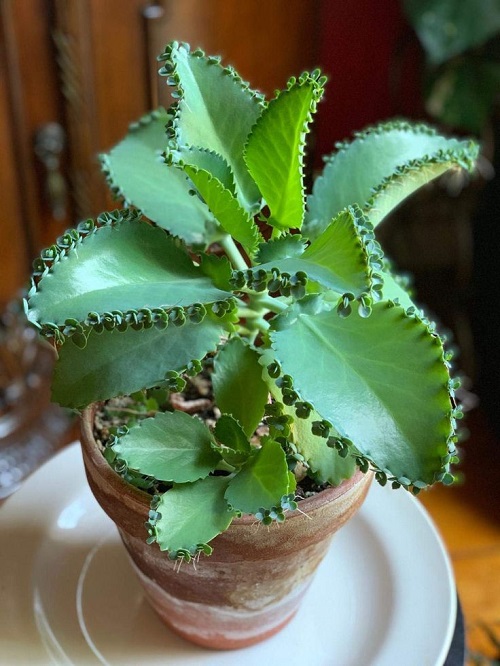
Scientific name: Kalanchoe daigremontiana
A low-maintenance succulent with fleshy, waxy, spear-shaped leaves featuring a purple mottled pattern on their undersides. It is popular for its serrated leaf margins that produce dozens of miniature plantlets. Once mature, these mini plantlets drop off into the soil below and root effortlessly.
A single plant can produce hundreds of plantlets in its lifetime, earning it the name ‘Mother of Thousands’.
Warning: Toxic to humans, cats, and dogs
2. Piggyback Plant
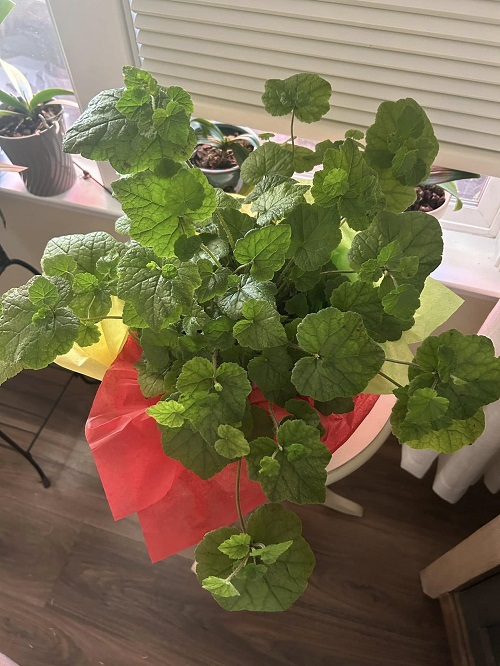
Scientific name: Tolmiea menziesii
A shade-loving perennial with soft, heart-shaped green leaves covered in fine hairs. It is popular for its tiny, fully formed baby plantlets that sprout directly at the base of mature leaf blades, making it look as though the daughter plantlets are getting a piggyback ride from the parent leaf.
As these plantlets mature, the parent leaf naturally droops to the ground, allowing the daughter plantlet to establish itself independently.
Never run out of plant care reading material again. Explore Amazon Kindle for the ultimate e-reader setup.
3. Air Plant Kalanchoe/Cathedral Bells
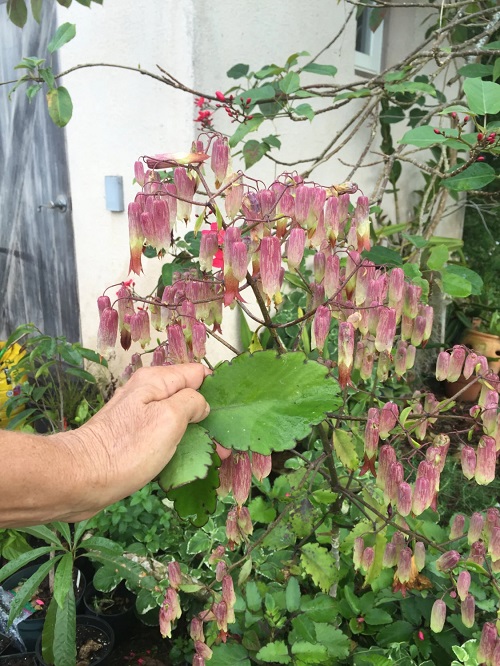
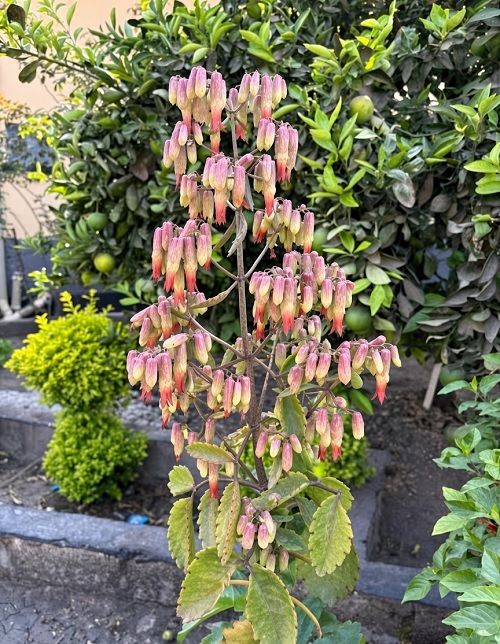
Scientific name: Kalanchoe pinnata
Another tropical succulent from the genus Kalanchoe, characterized by thick, scalloped green leaves that often develop a subtle reddish-purple border in bright light. It bears plantlets along the scalloped notches of its leaves, especially if a leaf detaches and rests on moist soil.
Warning: Toxic to humans, cats, and dogs
4. Walking Fern
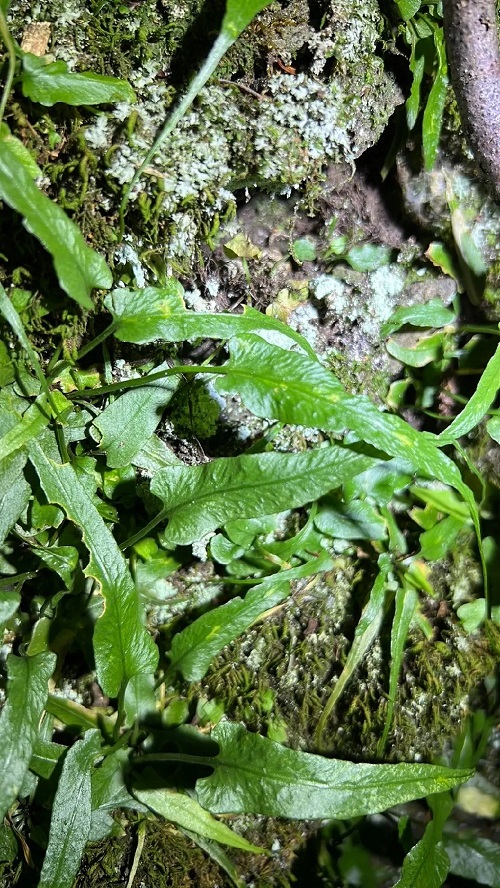
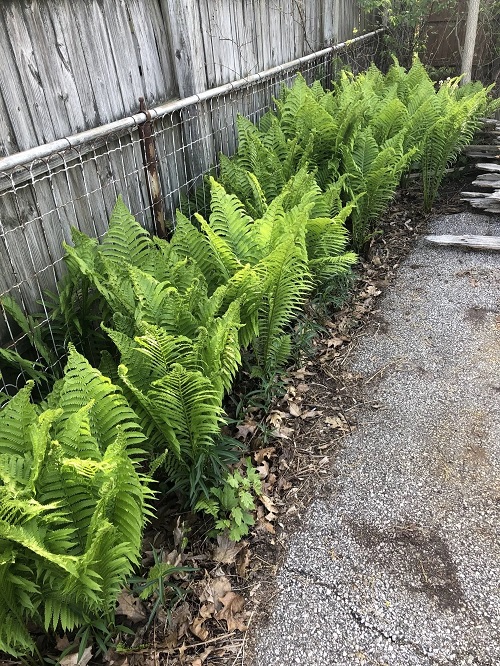
Scientific name: Asplenium rhizophyllum
A unique evergreen fern featuring long, narrow, undivided fronds that taper into fine, thread-like tips. It is popular for its arching frond tips that bend down to touch the soil, sprouting brand-new plantlets right where they contact. Over time, as new plantlets root and form their own leaves, the plant appears to walk!
Care Guide for Houseplants That Grow Plantlets on Their Leaves
Lighting
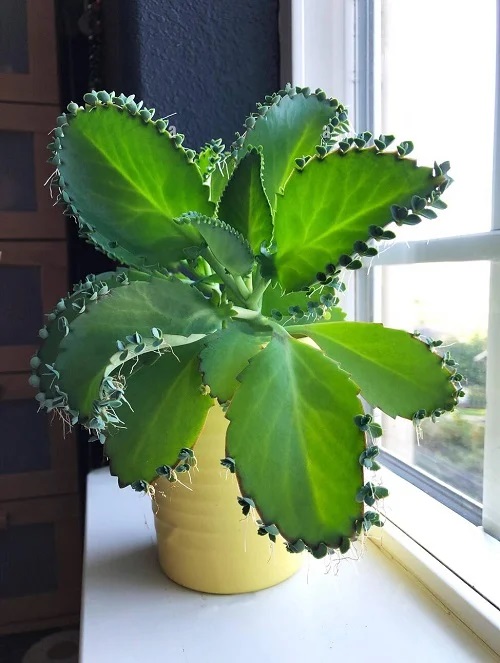
Most leaf-propagating houseplants thrive in bright, indirect sunlight. If you want those gorgeous sun-stressed colors and compact rosettes of your indoor plants year-round, check out these high-efficiency grow lights designed specifically for indoor succulents and houseplants.
Watering
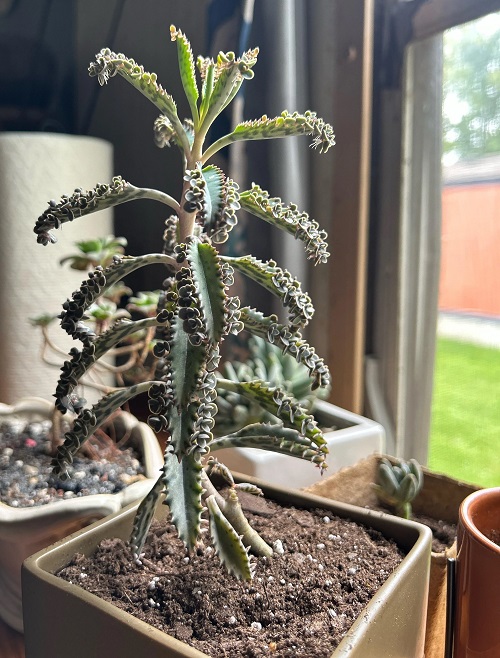
Plants that grow plantlets on their leaves range from succulents to ferns, so their watering needs vary:
Succulents: Allow the soil to dry out completely between waterings.
Ferns & Piggyback Plants: Keep the soil consistently moist, as these species prefer higher humidity.
Keep your succulents and ferns thriving by checking root moisture instantly. Check out our top -rated soil moisture meter to keep your indoor jungle happy and healthy.
Spacing
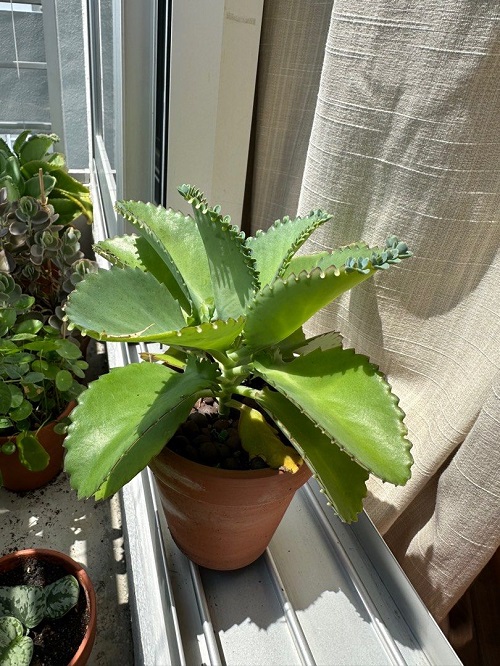
Plants like the Mother of Thousands produce numerous plantlets on their leaves, which easily drop into the surrounding soil. Unless you want Kalanchoe seedlings messing with their neighboring pots, keep these plants isolated or give them plenty of space away from your other houseplants.
Propagation
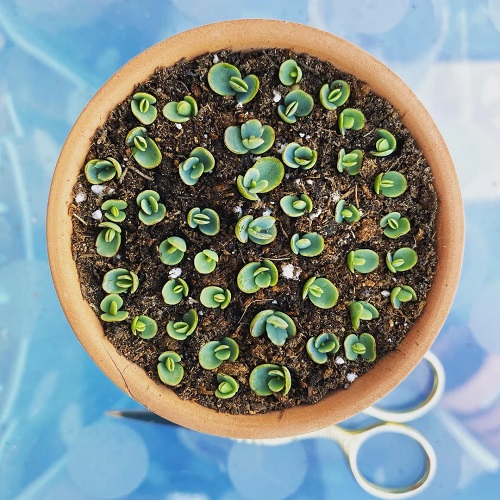
When the tiny plantlets are fully formed, simply pluck them gently from the main leaf and place them on top of a moist potting mix to start new plants.
Potting Mix
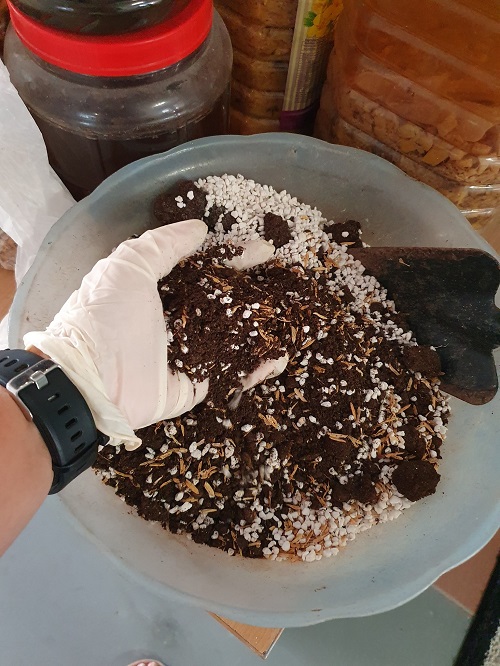
Use a gritty cactus or succulent potting mix for succulents like Kalanchoe species to ensure fast drainage. However, for Ferns & Piggyback Plants, opt for a rich, moisture-retentive, peat-based potting soil. Also, ensure your pot has adequate drainage holes.
Give your self-cloning succulents the drainage they crave! Shop our favorite gritty cactus and succulent potting mixes to prevent root rot and keep plants thriving.
Bringing these cool leaf-propagating wonders into your home lets you witness nature’s most thrilling tricks firsthand! Houseplants that produce plantlets on their leaves add vibrant energy to any indoor space, plus you get an endless supply of baby plants to gift to fellow plant lovers. Whether you are enchanted by the prolific charm of the Mother of Thousands or the quirky habits of the Walking Fern, these self-cloning plants bring an extra dose of fascination to your daily plant routine.
Want a foolproof roadmap to a thriving indoor garden? Check out our top-rated plant care guide book packed with expert tips, troubleshooting steps, and propagation secrets.