
As an Amazon Associate, we earn a small commission from qualifying purchases — at no extra cost to you.
Tame nature’s fiery flora with 4 easy carnivorous plants for beginners! Master watering, lighting, and soil for a thriving indoor garden.
Does a plant hunting prey sound thrilling to you? Then, bring home these beginner-friendly carnivorous plants and watch them in live action every day! These ingenious plants reside in nutrient-poor bogs and have evolved to thrive on insects. Read on to unlock the roadmap to the ultimate care guide for your new bug-eating flora!
Don’t leave your new plants’ success to chance—stock up from the gardening essentials storefront today to make growing carnivorous plants a breeze!
4 Carnivorous Plants For Beginners To Grow
1. Venus Flytrap
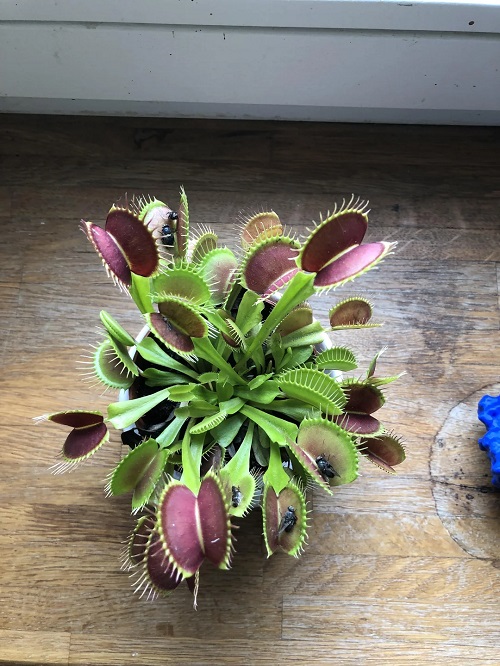
Scientific name: Dionaea muscipula
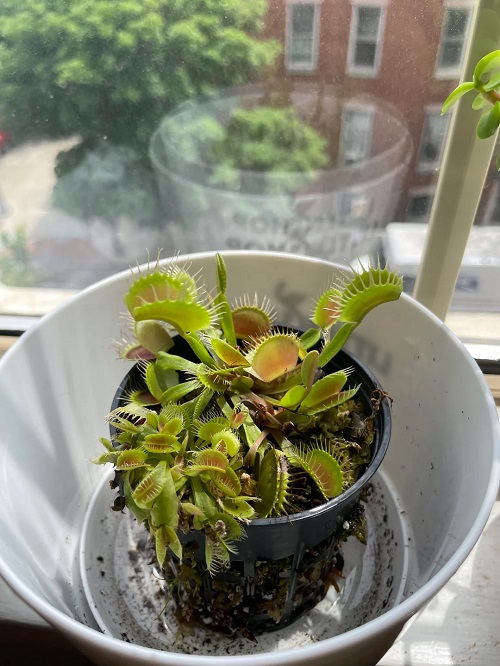
Everyone’s favorite among carnivorous plants. They feature modified leaves arranged as serrated blades, which bear trigger hairs that snap shut when touched twice in rapid succession. These are among the fastest in the plant world.
Pro-Tip: Watching a plant snap is exciting, but it is energy-expensive for the plant, so don’t force-shut empty Venus Flytraps.
2. Sundews
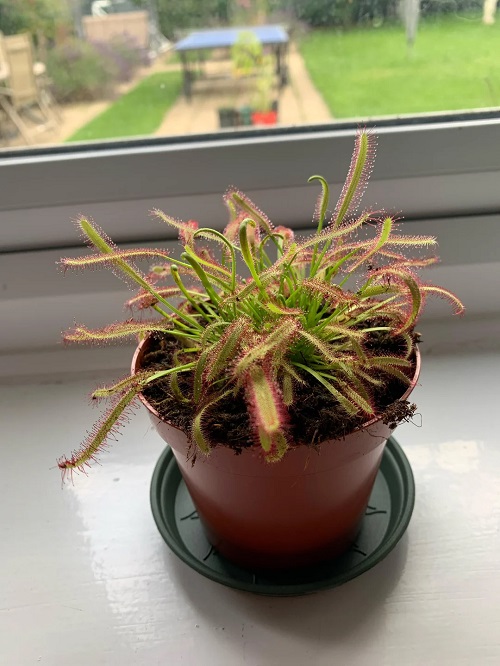
Scientific name: Drosera
These eye-catching plants are adorned with glistening dew, but the sneaky part is that these dew drops are sticky and trap insects. When an insect is stuck in the sticky dew, the leaf slowly rolls around it and digests it.
Looking for budget-friendly tools and accessories? Explore Amazon haul to score the best deals on everything you need to keep your indoor jungle thriving.
3. North American Pitcher Plant
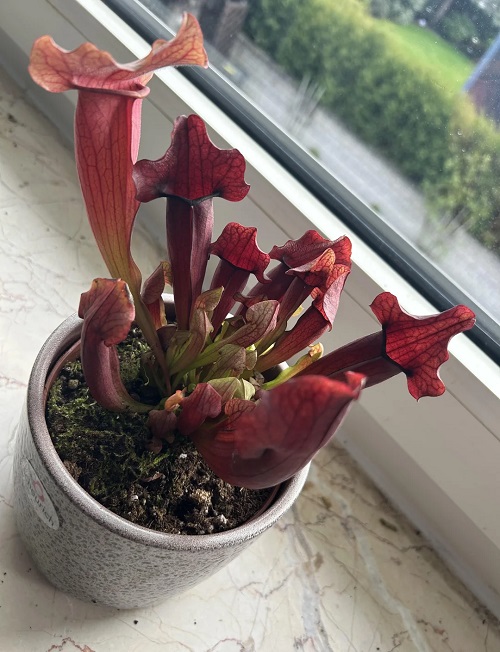
Scientific name: Sarracenia
This is one of the most underappreciated plants in the carnivorous flora. It features tall, trumpet-like pitchers that contain acidic digestive juices.
They lure insects through bright colors and sweet nectar around the rim. Once an insect approaches the rim, it slips down through downward-pointing hairs into the acidic pool and turns into a plant meal.
Pro-Tip: Never manually fill pitchers with water unless specified, such as new arrivals or accidental spills of digestive juices.
4. Tropical Pitcher Plant
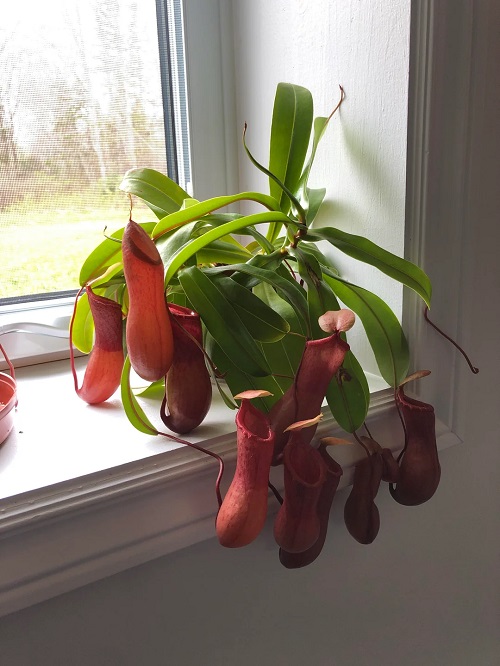
Scientific name: Nepenthes
If you want a hanging carnivore, then this trailing epiphyte is the ultimate choice. They lure and trap insects like the American Pitcher Plant; however, they bear pitchers at the ends of climbing tendrils, creating a fascinating, fiery display.
Pro-Tip: Unlike other boggy plants, they hate soggy potting mix, so use a well-draining, airy potting mix.
Ultimate Carnivorous Plants For Beginners Care Guide
One simple rule when caring for carnivorous plants is to say goodbye to all the traditional plant care methods you have learnt, because these plants need the opposite! The best approach is to mimic their native boggy or tropical environments.
Lighting
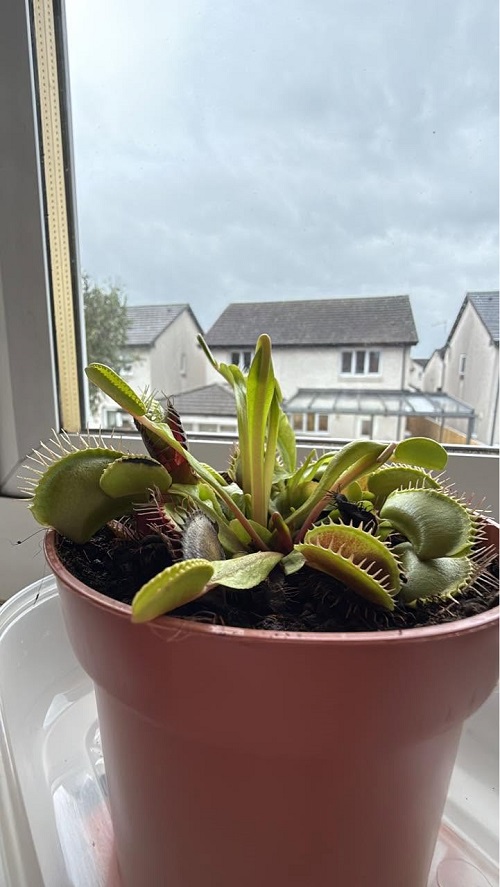
Venus Flytraps, Sundews, and Sarracenia are natives of open, unshaded bogs and wetlands. Therefore, they are adapted to full, bright sunlight. Provide them uninterrupted sunlight for at least 6 hours. In contrast, Nepenthes is tropical and thrives in indirect, dappled light.
Struggling to meet their 6-hour sun requirement? Shop top-rated full-spectrum grow lights here to mimic natural bog conditions right indoors!
Watering
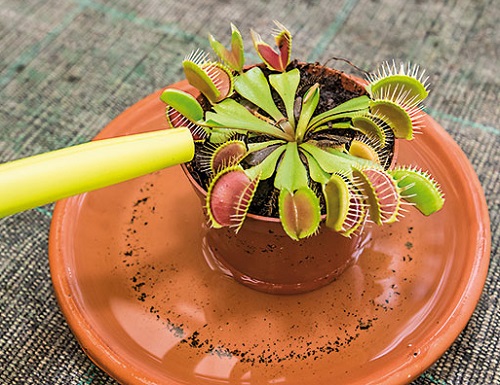
Boggy soils lack dissolved minerals and salts. You can mimic it by using distilled water, harvested rainwater, or RO water for carnivorous houseplants.
Use bottom watering (by placing water-filled shallow trays below the pots) for bog-adapted Venus Flytraps, Sundews, and Sarracenia. However, top-water Nepenthes and let the excess water drain away completely.
Potting Mix
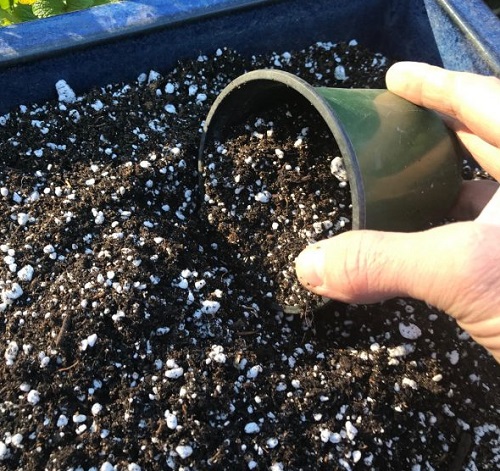
Never use traditional, commercial garden mixes. They are loaded with compost and fertilizers, which burn carnivorous plants’ sensitive roots. Rather, use a perfect ratio of unfertilized perlite/ sphagnum moss.
Pro-Tip: If you don’t want to mess with manual blending, skip the hassle and grab this pre-mixed, unfertilized perlite and sphagnum moss soil blend to give your carnivorous plants the exact bog conditions they crave!
Fertilizers
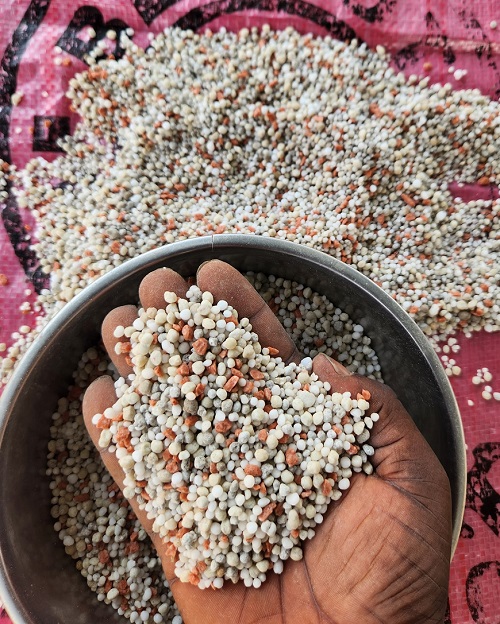
Never apply standard fertilizers available in the market. They are bug-eaters, so feed them the same! One or two traps fed with small live insects once a month will satisfy their needs. However, if you feel your plant needs an extra boost, supplement with root-safe, diluted fertilizers designed for carnivorous plants.
Want to give your plants a growth boost without the hassle of catching live insects? Grab this convenient container of dried soldier fly larvae with feeding tweezers for easy meals!
Repotting
Repotting helps replenish the plant’s growing medium. Repot every 1-2 years in early spring into a 1-2 inch larger pot than the previous one.
Bring extraordinary wonders of the plant kingdom home by nurturing these beginner-friendly carnivorous plants. Their predatory nature may seem complex, but they are pretty straightforward to grow indoors. Once you crack the code of lighting, watering, and other needs, your bug-eating flora will thrive with stunning new traps for years to come!
Want to dive deeper into the fascinating world of bug-eating plants? Check out The Savage Garden by Peter D’Amato—the holy grail of carnivorous plant care books!