
As an Amazon Associate, we earn a small commission from qualifying purchases — at no extra cost to you.
Got a new plant at home and wondering where to keep it? Isolate it first while you figure out its place? Why? Read this to find out!
That gorgeous new houseplant may look perfectly healthy at the nursery. Fresh leaves, rich green color, and no pests. So the only thing that would come to mind would be to plant it right away. Now stop exactly right there and let us explain.
Starting a new plant quarantine routine? Browse our Amazon Gardening Storefront for pest-control supplies, inspection tools, pots, soil, and everyday plant-care essentials.
Should You Quarantine Every New Houseplant Before Bringing It Home?
Need a few quarantine essentials for a new plant? Try Prime for free, if eligible, and make it easier to order plant-care supplies as you set up your quarantine space.
Yes. Because sometimes, the biggest threat to your indoor garden might be invisible.
Bringing home a new plant can also mean bringing home fungus gnats, spider mites, mealybugs, scale, thrips, or plant diseases that aren’t immediately visible. Once they spread to your existing collection, getting rid of them can become much harder.
So, what to do? Quarantine them.
Every plant? Yes, because sometimes it is the safest approach, especially if you have a big collection.
Setting up a quarantine corner for your new plant? A small plant stand, separate tray, and drainage saucer can help keep the new arrival away from your existing collection.
What Does Plant Quarantine Actually Mean?
Quarantining means keeping a new plant separate from your existing houseplants for a short period while you inspect it for pests, diseases, or other problems. It could be a separate room or a location altogether. Keep its leaves, soil, watering can, tools, and other plant care items separate from your old plants during this period.
Quarantining is particularly important for plants purchased from nurseries, garden centers, plant shops, markets, or online sellers where you don’t know exactly what conditions the plant was kept in. Because even plants that appear healthy can carry mites, larvae, or infections.
Tiny pests can be surprisingly difficult to spot. Keep a magnifying glass nearby to inspect leaf undersides, stems, and new growth more closely.
Now, if you are getting it from a trusted source, you might as well can skip the quarantining part.
How Long Should You Quarantine A New Plant?
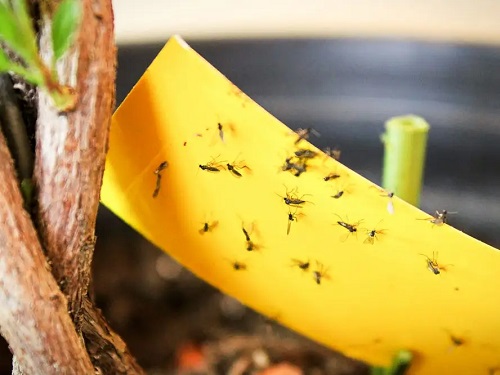
Somewhere between 2 and 4 weeks can work well. During this time, inspect the plant regularly and not just once. Look underneath leaves, around leaf joints, along stems, and near the soil surface. Check for tiny moving insects, sticky residue, brown or raised bumps, distorted new growth, yellowing or unusual spots, and fungus gnats around the soil.
Worried about fungus gnats around the soil? Yellow sticky traps can help monitor and catch adult flying pests while you keep an eye on the plant.
What To Do If You Find Pests?
Definitely don’t panic.
Move it much further from your collection and identify the problem before treating it. Depending on the pest, you may need to physically remove insects, wash the foliage, replace heavily infested soil, or use an appropriate plant-safe treatment.
Remember: Continue monitoring after treatment because one round isn’t always enough if eggs are involved.
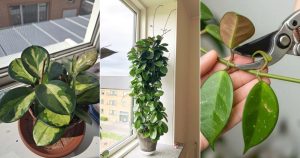
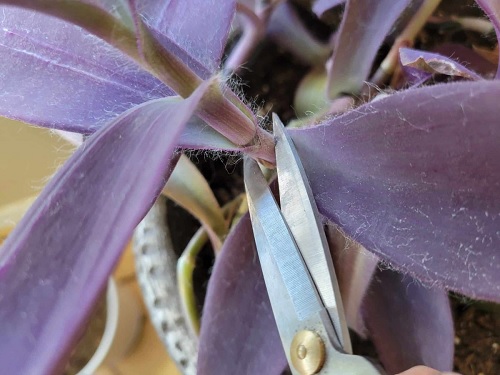
If heavily damaged or infested foliage needs to be removed, a pair of clean pruning shears can make the job easier while helping you avoid spreading problems between plants.
When To Bring It To Its Peers?
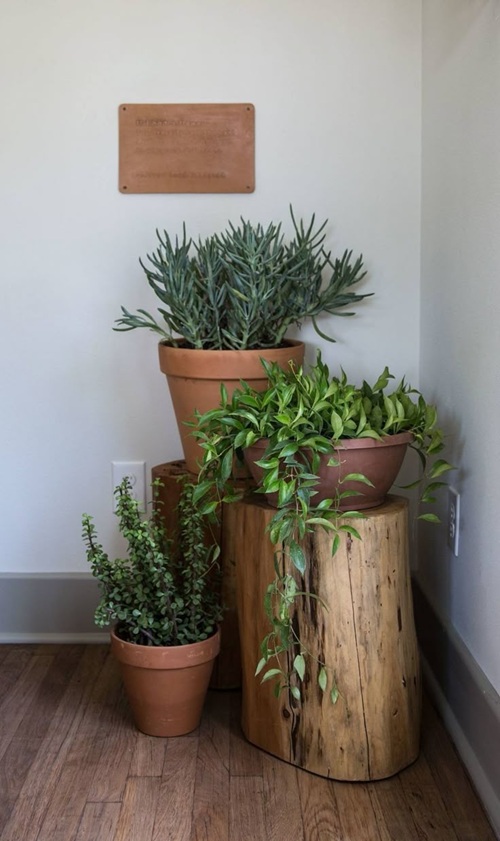
Once your plant has spent its quarantine period with no signs of pests, disease, or unusual decline, you can gradually bring it into your plant collection. This period isn’t about assuming that every plant is infected, but it’s about refusing to let one unknown plant put danger to your entire collection.
Want to get better at spotting plant problems early? Explore houseplant care and pest-control books for practical guidance on identification, prevention, and treatment.