
As an Amazon Associate, we earn a small commission from qualifying purchases — at no extra cost to you.
Can a snake plant outgrow its pot without looking rootbound? Perhaps. Check for signs, crowded rhizomes, and repot tips. Read to learn more!
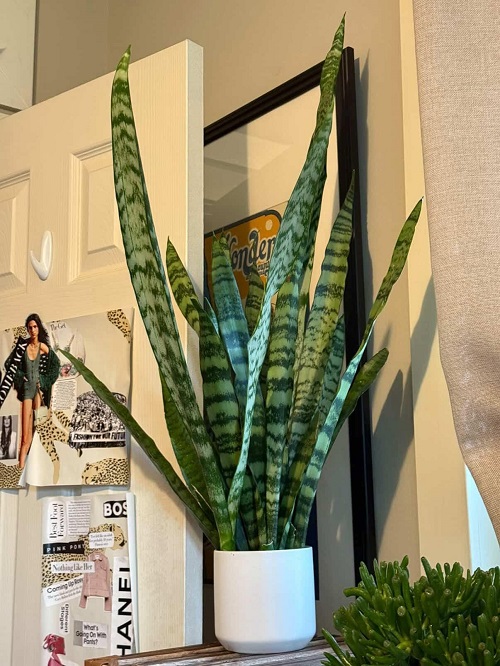
What are snake plants famous for? Being the toughest and strongest, right? Because they can tolerate neglect, survive low-light conditions, and can go a long time without water. But you know, there is something they are not very open about. And that is telling you when they have outgrown their pot. Sounds familiar but confusing? Let us explain.
Ready to give your snake plant the right amount of room? Explore our Amazon Gardening Storefront for well-draining soil, pots with drainage holes, moisture meters, repotting tools, pruning shears, and other houseplant-care essentials.
Can a Snake Plant Outgrow Its Pot Without Looking Rootbound?
Simply put, a snake plant can become severely rootbound while still looking perfectly healthy above the soil. So, can it actually outgrow its pot without giving you the signs of tightly packed roots? Yes. And it can hide it pretty well.
Why Snake Plants Can Hide Rootbound Conditions
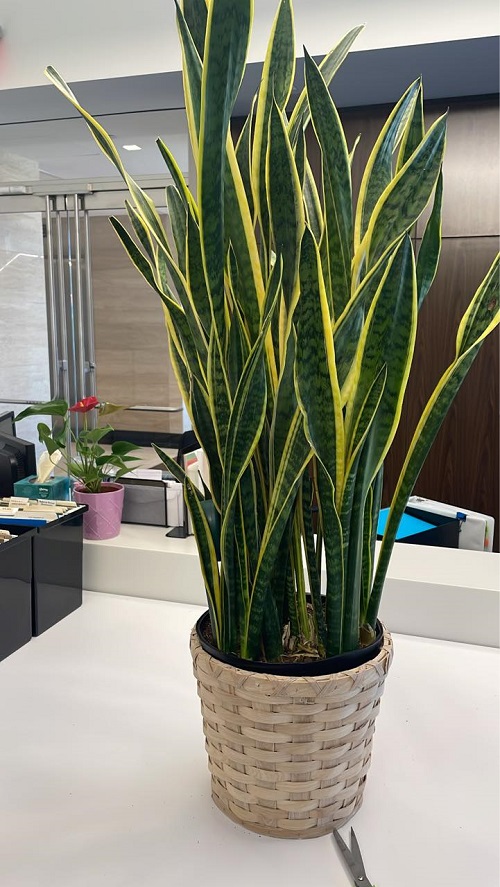
Snake plants have a different root system from many common houseplants. Instead of producing an enormous network of fine, delicate roots, they develop thick rhizomes – underground stems that grow horizontally and produce new leaves and roots.
These rhizomes can fill the container eventually, and the foliage doesn’t change. So a snake plant may look green and upright even when the inside of the pot has become occupied by roots and rhizomes.
Worried about what is happening beneath the soil? Keep a well-draining snake plant or succulent soil mix ready for the next time your plant actually needs repotting.
Check The Pot
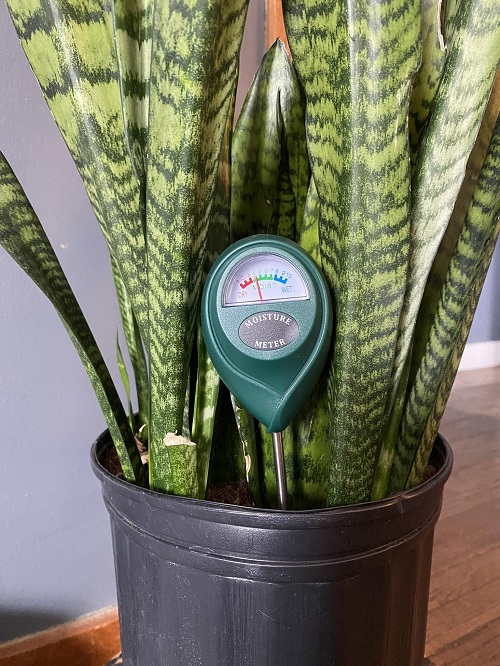
What do you see while watering? If it immediately rushes through the drainage holes, then the soil might have become compacted, or the root ball may have taken up much space. But if the soil stays wet for long, the issue may be poor drainage rather than rootbound roots.
Not sure whether the soil is staying wet for too long? A soil moisture meter can help you check moisture levels before reaching for the watering can.
See the growth. If you assume that your snake plant has sufficient light and care but suddenly produces smaller leaves and fewer shoots, or stops producing new growth, then it is a sign of less space. However, slow growth alone isn’t enough evidence because snake plants naturally grow slowly, particularly in low light.
Did you check the rhizomes with roots? Because they are the plant’s underground storage and growth system. As they multiply, they can become tightly packed against the sides of the container. Sometimes new shoots might be pushing against the pot’s edges or growing close to the rim.
Do Not Panic
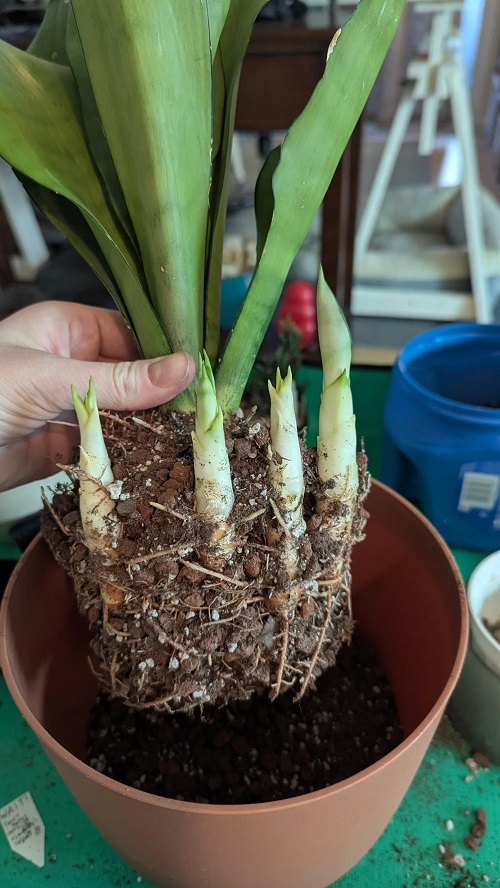
Don’t think that this calls for frequent repotting. Being slightly rootbound isn’t harmful. The rhizomes store water and nutrients, and these plants naturally prefer having their roots somewhat snug rather than filling a huge container.
Repotting too early can actually create another problem. A huge oversized pot holds more soil around the roots, which can stay wet for longer. For a drought-tolerant snake plant, that can increase the risk of root and rhizome rot. So do not repot just because the plant has been in the same pot for years.
Want a breathable option for your snake plant? A terracotta pot with drainage can be a great choice when you’re ready to give those crowded rhizomes a little more room.
When Should You Actually Repot?
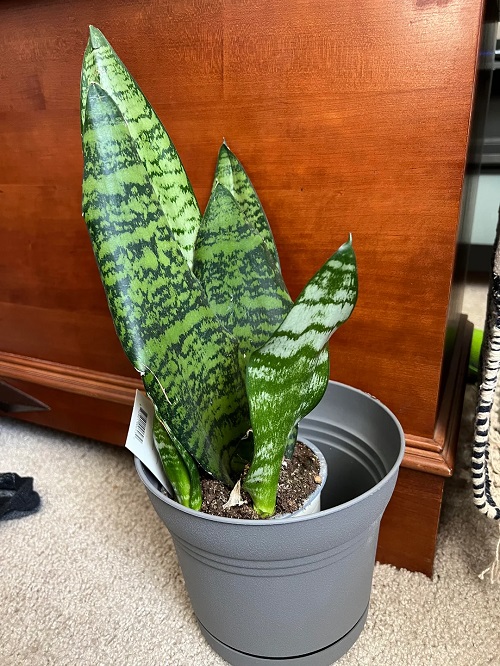
Check for signs such as rhizomes that are visibly overcrowded and pressing against the pot. Or roots that emerge from the drainage holes. If you see the plant is becoming unstable, tipping over, and its growth has stopped, along with its growth being distorted, those are a few signs too.
When you repot, choose a container slightly larger than the existing one and make sure it has proper drainage. Accompany this with better light and water, and you’ll be almost done.
Want to become more confident with your houseplants? Explore a practical houseplant-care book covering watering, lighting, soil, repotting, propagation, and common plant problems.
A snake plant can absolutely outgrow its pot without looking dramatically rootbound. Its thick rhizomes allow it to quietly occupy more and more of the container while the leaves continue looking perfectly normal. And if this came as a new thing to you, then let us know what you are going to do about it in the comments below!