
As an Amazon Associate, we earn a small commission from qualifying purchases — at no extra cost to you.
Exploring soil-less growing to keep your indoor plants dirt- and pest-free? Learn how to switch your favorite houseplants to semi-hydroponics
Let’s be honest, all plant parents have gone through the heartbreak of root rot, fungal gnats, and sneaky mealybugs. Here we bring you the ultimate solution to all of your pesky problems—semi-hydroponics! A simple yet amazing tweak to your potting mix with LECA or PON to keep your indoor plants less prone to soil-related pests.
Gear up for your soil-less journey: Head over to our Gardening Essentials Storefront to grab everything you need to get started
What is Semi-Hydroponics (PON)?
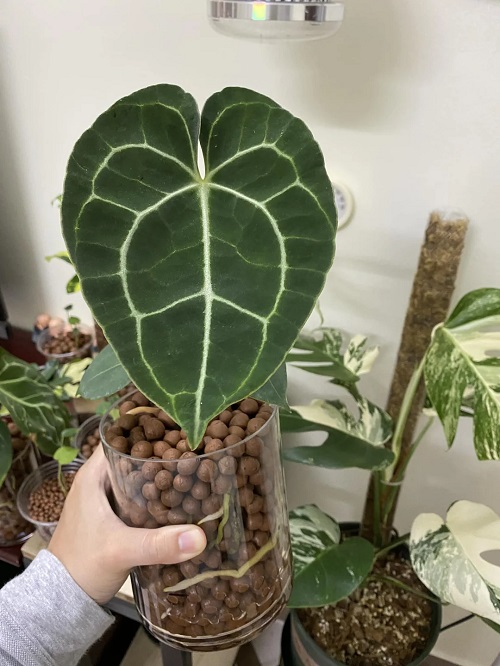
Semi-hydroponics replaces soil with an inert growth medium. Why? Because soil hosts not only plants but unwanted pests along with them. Semi-hydroponics uses inert growing media such as LECA, pumice, or zeolite, which provide no organic food source for many soil-dwelling pests. Hence, it can help keep your indoor garden less prone to certain soil-related pest problems.
With semi-hydroponics, indoor gardening is finally under your control, as everything from watering to supplying nutrients is a calculated task rather than confused guesswork as in soil.
Ready to ditch the dirt? Grab the Lechuza PON Substrate to give your green babies a super-aerated, pest-free palace!
Benefits of Semi-Hydroponic Houseplants
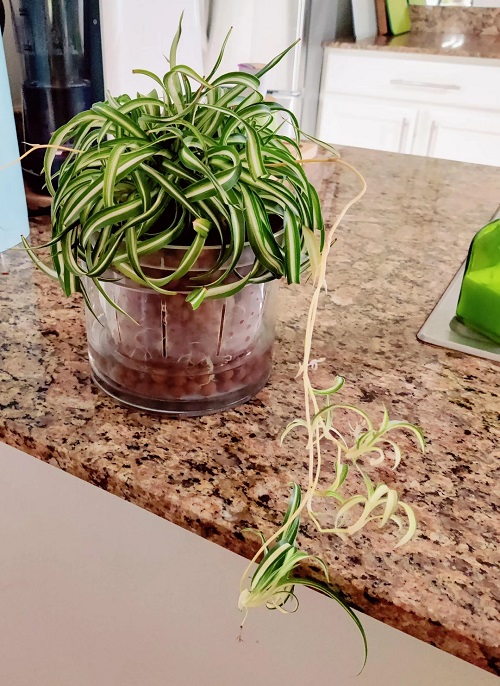
No more watering chaos: Kick the guesswork out the window. As the water level is now clearly visible, simply water your plants when the water level drops below the optimum mark and rest carefree.
Liberation from pests: Fungal gnats and root rot can become less common. With no soil to hide in, some soil-dwelling pests have fewer places to breed and develop.
Dirt-free repotting: Welcome to mess-free gardening! Because semi-hydroponics uses compact LECA or PON media, you can repot without dirt on your floor or under your fingernails.
Thriving houseplants: Houseplants get a cozy home with balanced nutrition and aeration, all ready to thrive.
Feed your green babies like a pro and supercharge your soil-less setup with the AeroGarden Liquid Nutrients.
Best Semi-Hydroponic Houseplants
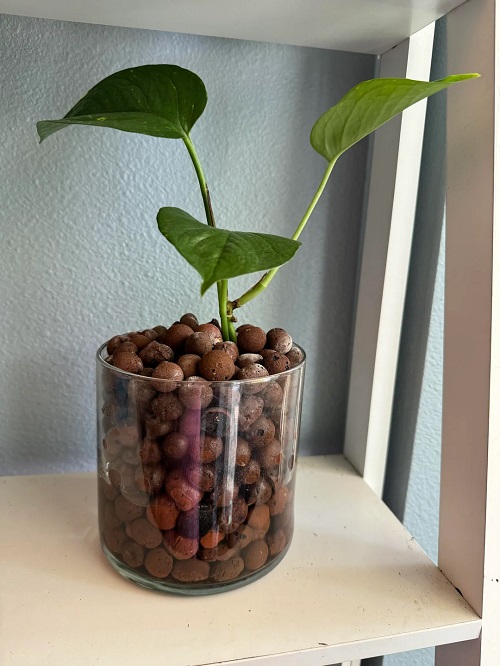
Pothos: Thanks to their hardy nature, Pothos are the easiest plants to start your soil-less gardening journey.
Hoya: As native epiphytes, Hoyas love well-aerated, porous potting media, making them one of the best candidates to thrive in semi-hydroponics.
Alocasia: These tropicals thrive in humid and airy pots. If you want those striking elephant ears thriving with less effort in your indoor garden, it’s time to repot in PON or LECA.
Anthurium: Another tropical that loves moisture and humidity! A perfect candidate for semi-hydroponics.
Philodendron: Philodendrons often adapt seamlessly to semi-hydroponics without much shock; hence, they are a popular choice among indoor gardeners looking to grow lush greens in semi-hydroponics.
Monstera: Monsteras are excellent water-root growers, and that’s the core trait needed to thrive in semi-hydroponics.
Ready to cultivate your ultimate playlist? Unlock over 100 million songs and ad-free podcasts with Amazon Music Unlimited to keep you company while you prune and repot!
How to Switch from Soil to Semi-Hydroponics
Follow this simple step-by-step guide to switch your houseplants from soil to semi-hydroponics easily.
1. Prepare LECA or PON

Firstly, place PON or LECA balls in a strainer or colander and rinse thoroughly under running water to remove any processing dust.
If you opt for LECA, soak it in water for 24-48 hours to allow the porous clay pebbles to maximise absorption. You can skip this step for PON media.
2. Clean Your Houseplant
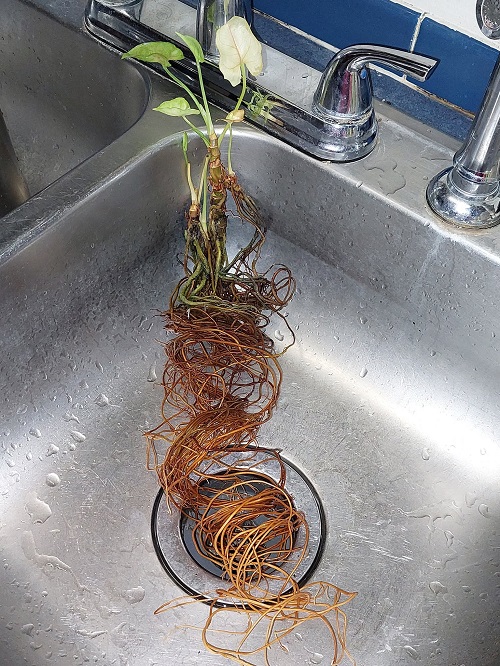
Choose the hardiest plant among your collection. Gently unpot it and rinse the roots under water to remove every trace of soil.
Tip: Trapped soil can lead to rot and pests! So make sure your potting media is completely dirt-free.
3. Ready to Pot
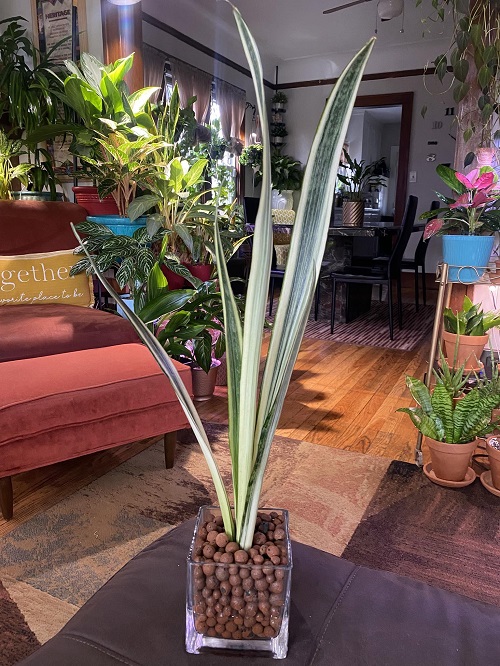
Fill the bottom third portion of your pot with LECA or PON media and set your plant in it. Now, add more potting media to stabilize the plant.
Tip: LECA is chemically inert, so adjust its pH with pH up or pH down solutions.
Ready to give your roots room to breathe? Shop LECA Clay Balls and upgrade your green babies to a super-aerated, pest-free paradise!
4. Time for the Feed
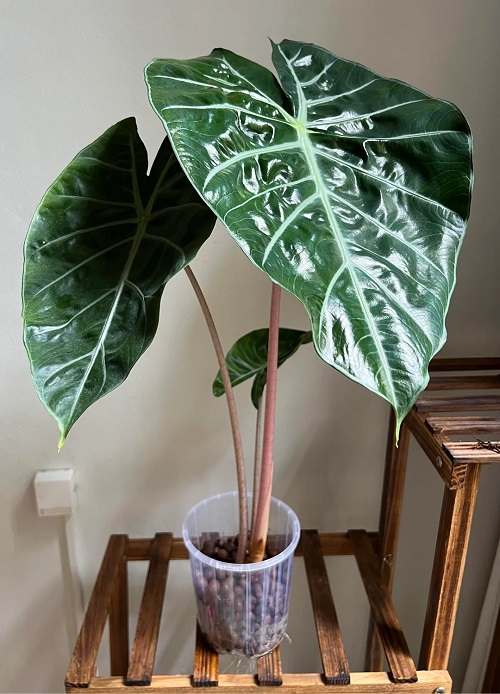
Add a balanced nutrient solution so that it stays within the bottom third of the pot. Let capillary action take its course, so don’t fully submerge your houseplants’ roots in the nutrient solution.
Tip: Flush out your semi-hydroponic setup at regular intervals because fertilizers can build up in the media.
Semi-hydroponic houseplants can be a great addition to your indoor plant collection if you want a lower-effort setup. So say goodbye to annoying pests and rot forever by going soil-less. Choose your best semi-hydroponic houseplant and start your soil-less journey. In no time, your houseplants will reward you by flaunting their happiest, healthiest growth yet!
Read The Complete Guide to Soilless Gardening — The ultimate blueprint and reference manual for growing thriving plants without dirt.