
As an Amazon Associate, we earn a small commission from qualifying purchases — at no extra cost to you.
Ever wondered why some snake plants are dwarf while some grow so huge to touch our ceilings? It could be your, or it couldn’t be. Read ahead!
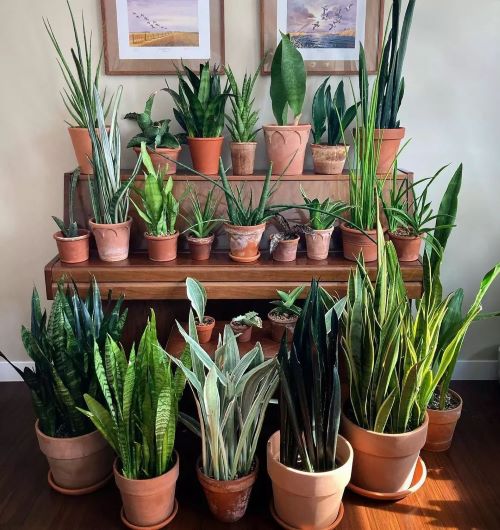
You bring home a snake plant and place it in a beautiful corner, hoping that it will grow into a beautiful and tall living beauty. But after following every step in the care routine, the snake plant still didn’t grow to be what you expected. Now this calls for understanding that it could either be the snake plant or it could be you overlooking some things as routine, but in reality, they are mistakes.
Why Some Snake Plants Stay Short
The ground reality that we need to understand is that some snake plants are naturally dwarf and compact. We know it came as a shocking fact because we always assume snake plants grow tall and upright.
1. Genetics
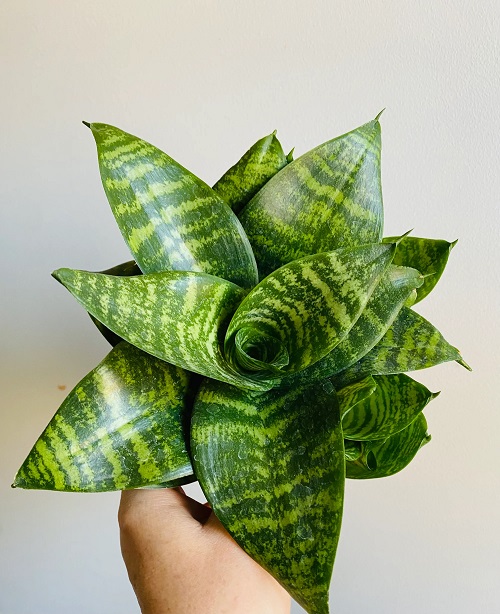
Just like some animals, snake plants also come in different sizes because of their genetics. And the bird’s nest snake plant is a great example of that. They do not produce long upright leaves but form compact rosettes. Many of our gardening peers try to make them grow taller, not realising that they have grown as much as they could.
2. Pot Size
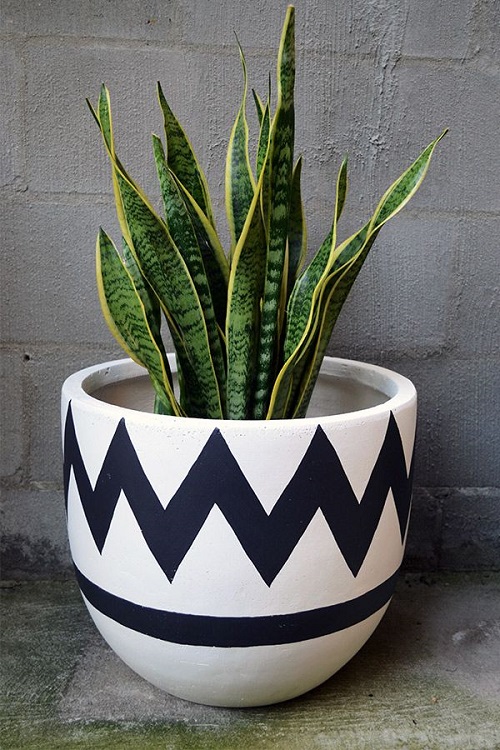
Snake plants like being slightly root-bound, but there is a limit to it. When roots fill a pot and have nowhere to expand, the growth slows down eventually. So, the plant starts directing its energy towards surviving instead of producing larger leaves. Look for roots circling the pot, pushing against drainage holes, or lifting the plant upward because that calls for a repot.
Suggestion: Avoid using an extremely oversized container because snake plants like a gradual increase in pot size, not immediate.
3. Poor Soil? Poor Growth.
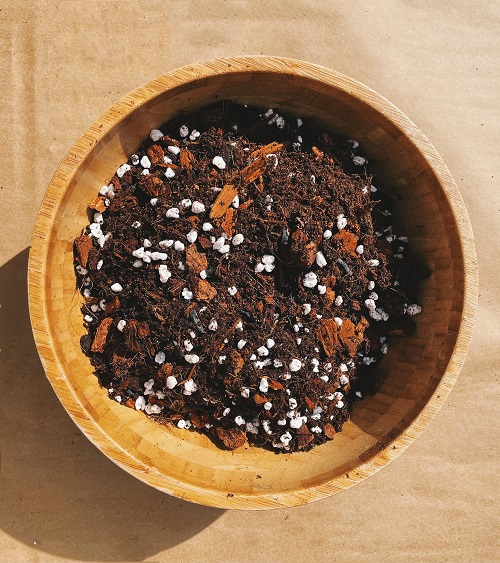
Many people focus on watering and completely forget about the soil. Snake plants need a well-draining soil mix that allows them to breathe. When soil becomes compacted, depleted, or heavy over time, root health will begin to decline. This results in reduced nutrient availability, weak root development, slower leaf production, and smaller growth.
4. The Main Villain – Overwatering
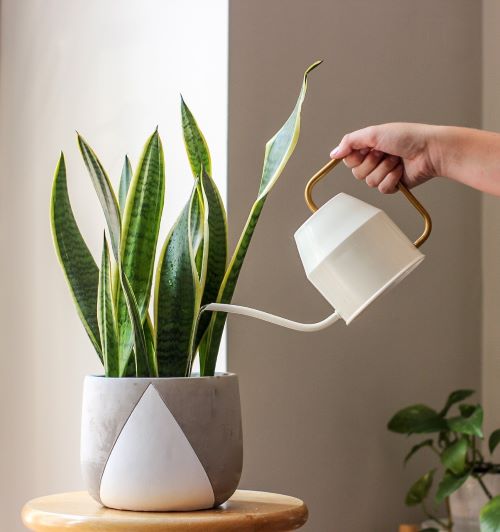
If there is one mistake that stops every plant from reaching its potential, it is going to be overwatering. Snake plants have evolved in a dry climate where water is often scarce. Their thick leaves store moisture, which makes their survival easy. But when we overwater, the soil stays wet for too long and is unable to get oxygen to breathe, which leads to yellowing of leaves or declining growth.
Myth Buster: Gardeners assume more water means more growth, but in reality, more moisture leads to the opposite.
5. Light Matters
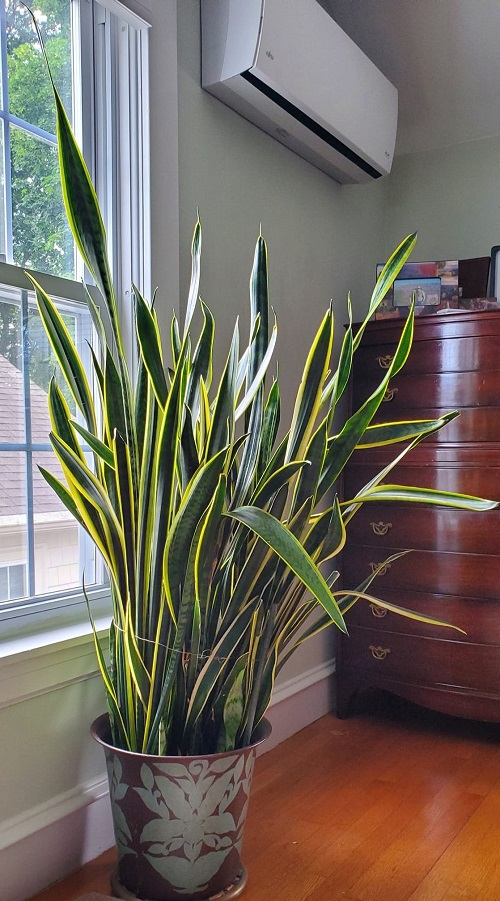
Snake plants are known to survive in dark corners, and they can. But there is a difference between growing and surviving. In low-light conditions, the plant conserves energy and may look healthy but produce a handful of leaves. Bright indirect light allows the plant to get the energy needed to develop stronger roots, larger leaves, and bloom.
6. Nutrition Time
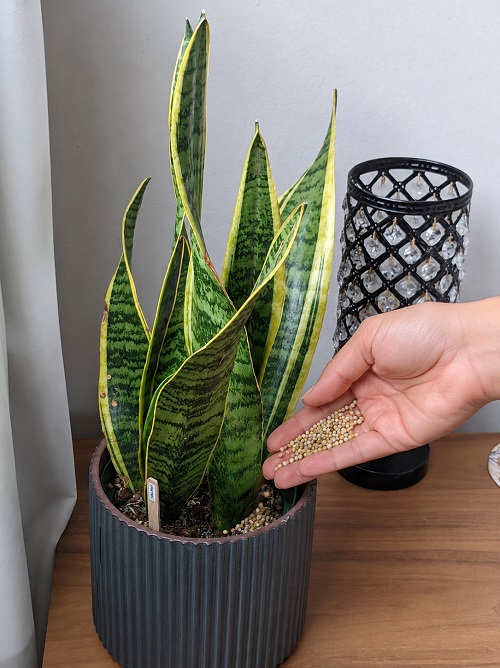
Snake plants are not heavy feeders, but they need their share. If it has been kept in the same soil for years, the soil will obviously run out of nutrients. And without adequate nutrients, growth becomes slow, and leaves may remain smaller than expected. So choose a balanced fertilizer during the growing season to provide a boost of nutrients.
So you see, it is on us. From the time we choose to identify the variety to the time we take care of it. It is our responsibility to figure out what our snake plants need the most. We would love to know which variety of snake plant you have, so comment that down, for us to make a care guide for that as well!