
As an Amazon Associate, we earn a small commission from qualifying purchases — at no extra cost to you.
These rare and trending houseplants in 2026 are winning hearts for their unique talents. Want to know why?
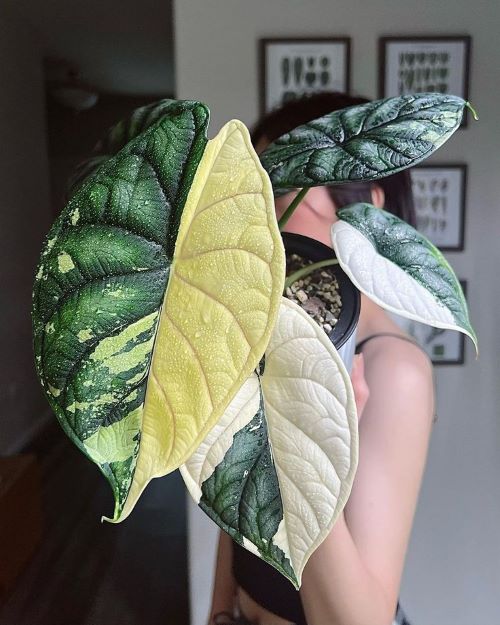
We are seeing a shift in houseplant trends in 2026. Collectors are increasingly drawn to rare plants with unusual foliage, dramatic textures, sculptural growth habits, and unique forms.
At the same time, advances in tissue-culture propagation have made several once-unattainable species more accessible. And this has ignited interest among gardeners everywhere. If you’re looking for a rare houseplant to add to your collection, these trending picks might help you find your next favorite.
This article lists some Amazon products that will help you to make your rare houseplants live and breathe happily and healthily.
Rare Trending Houseplants of 2026
1. Philodendron Spiritus Sancti
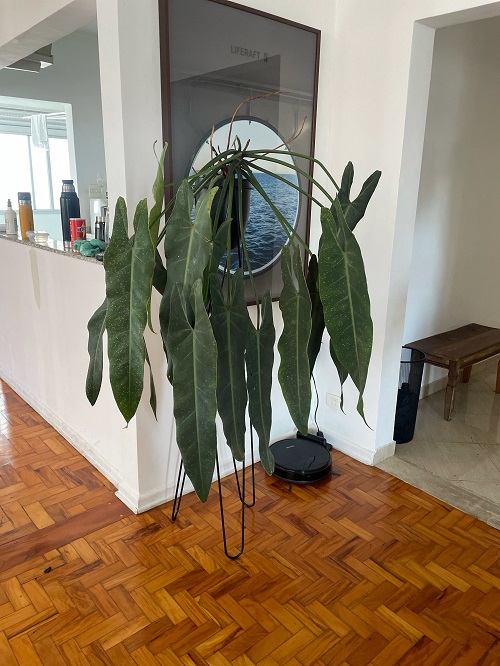
Scientific Name: Philodendron spiritus-sancti
From beautifully elongated leaves to their green and glossy dark green leaves with reddish-pink tint on the other side, this plant is a dream born to life. It’s native to a tiny region in Brazil. Its scarcity and limited availability have made it one of the most coveted plants among collectors.
Why It’s Trending in 2026: For years, it has been endangered and a rare variety for anyone to own. But tissue culture propagation has made this plant much more accessible to us. And this makes it something that everyone wishes to own.
Care Tip: Now these beauties need a great amount of bright and indirect light. If you cannot assure that, then a full-spectrum grow light will rescue you from this trouble.
2. Variegated Monstera (Thai Constellation & Albo)
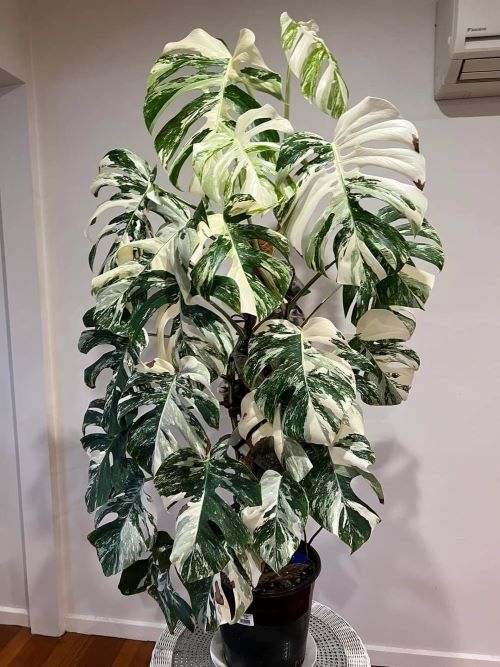
Scientific Name: Monstera deliciosa
The Thai Constellation brings with it creamy, galaxy-like speckles on every leaf, while Monstera Albo gives us unpredictable white sectors that make it unique. And because of this, their dramatic leaves continue to dominate the world of plants.
Why It’s Trending in 2026: Thanks to tissue culture, we have another set of plants that has become affordable to own. But this also increases their popularity and demand everywhere.
Care Tip: Monstera need support to climb because this is non-negotiable. A sturdy moss pole and stake can help the plant mature properly and climb more easily.
3. Anthurium Warocqueanum (Queen Anthurium)
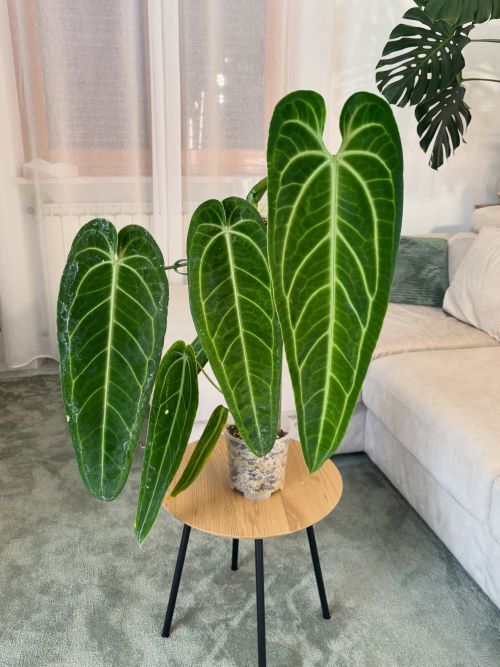
Scientific Name: Anthurium warocqueanum
Bow to the Queen Anthurium, which captivates you with its elegance. Its velvety, dark green leaves can grow several feet long, and they have striking silver veins. While every plant here is loved for its appearance, this one is loved for its challenge of humidity, because that makes gardeners test their growing skills.
Why It’s Trending in 2026: We are no longer only seeking conventional houseplants; we want something beyond classic variegation, and we seek something velvety, with striking veins, and a dramatic size that speaks for all the mysterious plant owners. And this is where this one fits well.
Care Tip: Queen Anthuriums thrive in high humidity. And if you are unsure about humidity levels in your home, then a humidifier will be the right pick for them to bloom beautifully.
4. Stephania Erecta
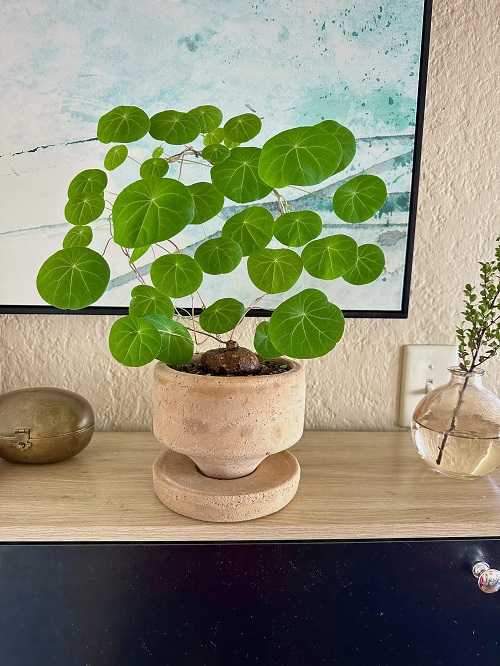
Scientific Name: Stephania pierrei
Stephania Erecta is not a typical tropical houseplant. Did you know this fun fact? It develops from a big bulb-like caudex, which generates thin stems with completely round leaves that look like green coins hovering in the air. Its elegant look attracts anyone who sees it.
Why It’s Trending in 2026: Are you a minimalist? Then we have something for you. Stephania Erecta could be your soulmate because it forms a beautiful living sculpture with its unusual shape, silently and magnificently, rather than a traditional houseplant.
Care Tip: While growing, this plant will love slow but evenly moist soil, but it will hate a soggy soil. So we need to strike a balance. Why not have a self-watering planter to eliminate the problem in itself?
5. Alocasia Dragon Scale Variegata
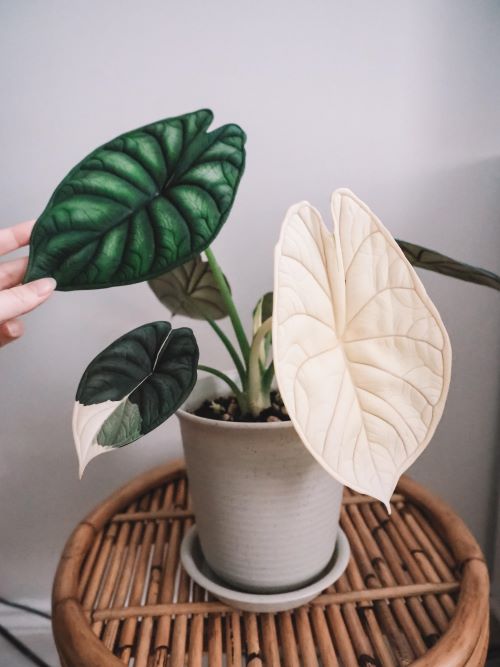
Scientific Name: Alocasia baginda ‘Dragon Scale’
Dragon Scale Variegata combines heavily textured leaves with unpredictable splashes of cream and mint variegation. Its reptile-like foliage creates a look that looks like a dream because these are unlike any other houseplant, making it a centerpiece in any collection. Simply put, a premium variety at a premium price.
Why It’s Trending in 2026: No two things can look alike, and this is what these rare variegated Alocasias help us understand. We are drawn to Dragon Scale Variegata because of its dramatic texture, variegation, and unique color patterns, and we think you might be too.
Care Tip: Alocasia needs warm conditions with moderate to high humidity. Can you ensure that? And if you think you’ll be guessing the entire time, then get rid of all the guesswork and let a digital hygrometer monitor the humidity levels and ease your stress.
6. Monstera Burle Marx Flame
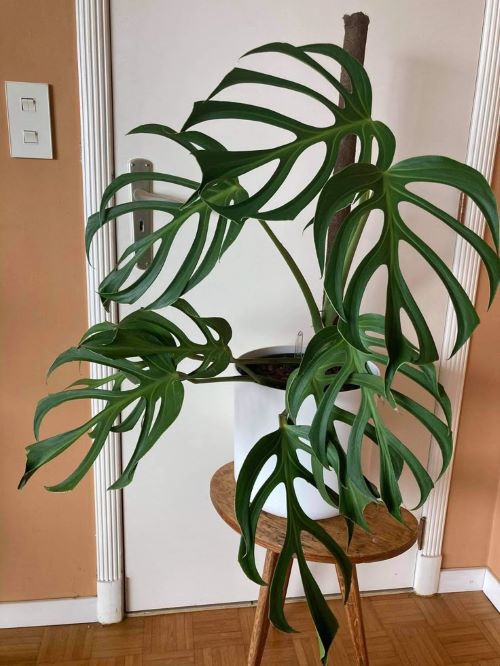
Scientific Name: Monstera deliciosa ‘Burle Marx Flame’
The Monstera Burle Marx Flame has become a classic because of its unusual leaf shape. Instead of developing traditional monstera splits, mature leaves form deep and flame-like fenestrations that create a dramatic effect. And did you know that catch? These fenestrations take years to develop.
Why It’s Trending in 2026: As collectors move beyond variegation-focused plants, their interest is increasing in unusual natural leaf forms that continue to grow. Burle Marx stands out because its mature foliage develops dramatic flame-like sculptural and leathery leaves, unlike any other Monstera, putting it up on our charts.
Care Tip: We need to ensure that they are consistently fed during the growing season with a balanced fertilizer that helps them to grow healthily and steadily.
7. Monstera obliqua (Peruvian Form)
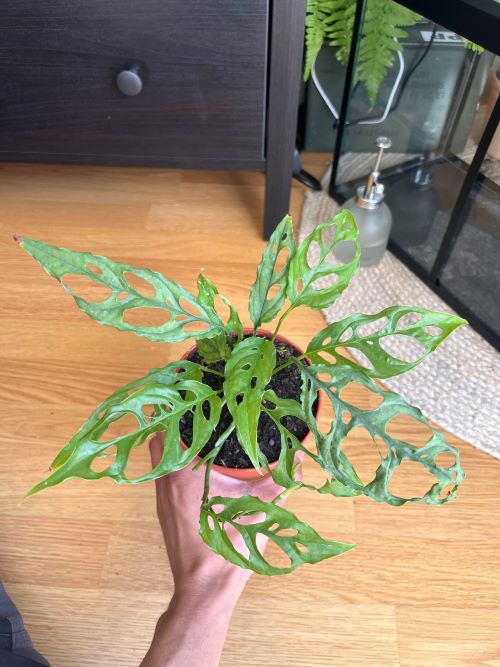
Scientific Name: Monstera obliqua
This plant is a rare climbing vine famous for its incredibly thin, paper-like green leaves. The foliage features extreme, skeletal fenestrations where massive open holes cover up to 90% of the entire leaf surface.
Why It’s Trending in 2026: As collectors move beyond heavily variegated plants, interest is growing in species with unusual foliage structures, and this one has highly perforated leaves and a lace-like finish to top the charts.
Care Tip: This baby is delicate, and they require excellent drainage while still looking forward to some moisture around the roots. Choose a potting mix with some bark, perlite, and coco chips to allow for air circulation and good drainage.
Rare houseplant trends will continue to evolve because collectors will always be searching for plants that offer something extraordinary. Whether it is texture, foliage, or growth habits. While we bring to you another list soon, we thought that a guide to houseplants can be a perfect substitute for that for a while.