
As an Amazon Associate, we earn a small commission from qualifying purchases — at no extra cost to you.
Isn’t it heartbreaking to see the plants cherished for their variegations revert to green? Then understand the why and how, and help them out!
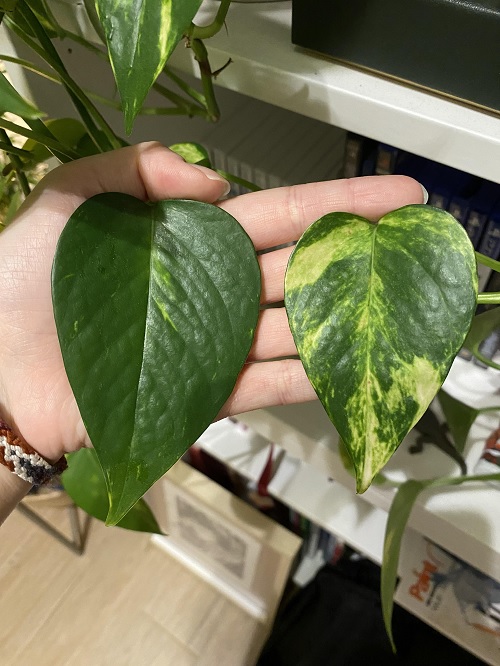
Our prized possessions, or the infamous variegated plants, are loved for their unusual leaves. But that is not always as permanent as we assume it to be. There is reversion and a lot more technicalities you need to find out. But until then, it is not something as scary as you think it to be. Let us explain.
Want to give your variegated plants better care? Browse our Amazon Gardening Storefront for grow lights, pruning tools, moisture meters, pots, fertilizers, and other indoor gardening essentials.
Variegation and Reversion
Variegation Is More Than a Colour Pattern
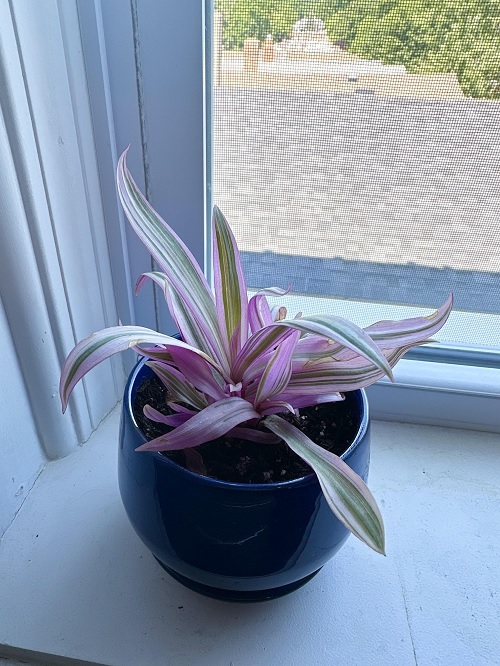
Let us break it down. In many houseplants, variegation is chimeral, which means genetically different cell lines exist side by side in the plant. Some cells contain functioning chloroplasts and produce chlorophyll, while others produce little or none. The result is the beautiful green-and-white, green-and-cream, or green-and-pink pattern.
And before we proceed, this is unpredictable.
Because, see, a new leaf develops from a growing point called the meristem, and the mixture of cell types present there influences what that leaf looks like. If a developing shoot becomes dominated by normal green tissue, every subsequent leaf from that shoot may emerge green.
Curious about your plant’s changing patterns? Browse plant magnifying glasses, pruning tools, and propagation supplies for closer observation and hands-on care.
Why Green?
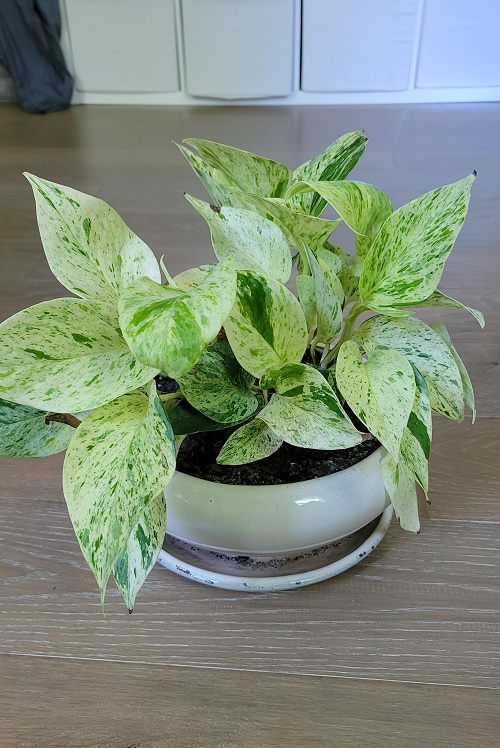
That is the color of the army. The green portions of a leaf are the plant’s main photosynthetic workforce. Pale or white tissue contributes much less to photosynthesis because it contains little chlorophyll. This means a heavily variegated plant has less photosynthetic machinery than an otherwise identical green plant.
When light is limited, this difference gets more important. Green tissue can produce energy more efficiently, allowing it to grow vigorously. Over time, a green shoot can therefore outgrow and overshadow the slower variegated growth. Low light does not magically turn a white leaf green; rather, it can favour the green cell line during new growth.
Not sure whether your variegated plant is getting enough light? Browse adjustable LED grow lights for houseplants to provide consistent supplemental lighting when natural light is limited.
It Can Happen Even in a Well-Cared-for Plant
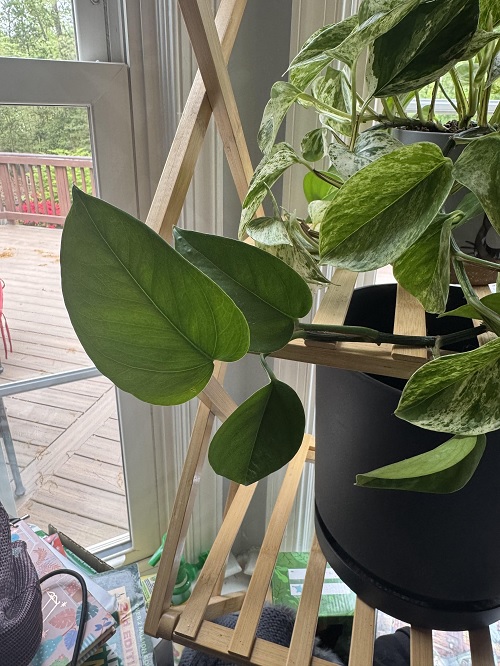
Reversion is not always caused by poor care.
Some chimeral cultivars can be unstable naturally. A plant can occasionally produce an all-green branch even when its light, watering, and nutrition are excellent. Seasonal changes and rapid growth can also make an existing tendency toward reversion more noticeable.
So if one branch suddenly starts producing increasingly green leaves while the rest of the plant remains variegated, the plant may be expressing its underlying instability rather than simply suffering from neglect.
Keep your plant-care routine consistent with a digital light meter, soil moisture meter, and indoor plant thermometer to monitor its growing conditions.
Can You Turn a Green Leaf Variegated Again?
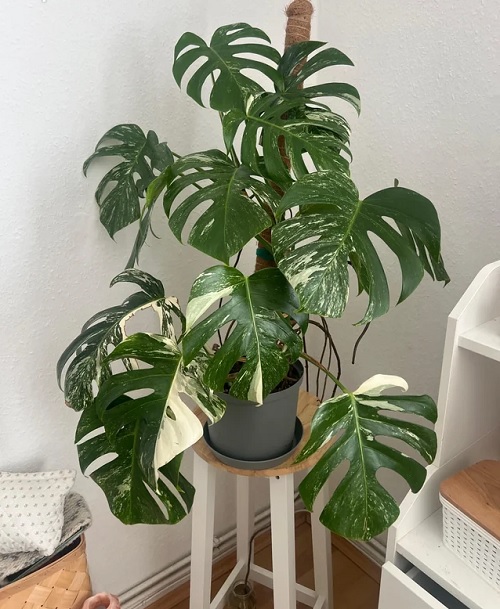
Unfortunately, no. Once a leaf has developed as green, better lighting cannot repaint the tissue that has already formed.
But the ball can still be in your court.
Focus on the next growth. If a stem has reverted, trace it back to the last node that still shows good variegation and prune the green section back to that point. This removes the green growth and gives a still-variegated growing point a chance to produce new leaves. The remaining plant also needs adequate bright, indirect light so the same conditions do not continue favouring green growth.
Need a few plant-care essentials? Try Prime for free, if eligible and make it easier to order grow lights, pruning tools, and other gardening supplies.
Chasing More Sun? Stop.
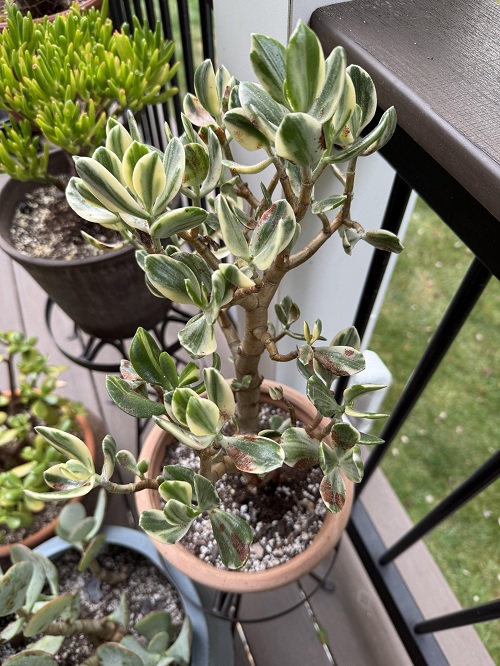
Anything in excess is bad. Even sunlight. Extremely bright direct sunlight can damage chlorophyll-poor white tissue even though the plant needs good light overall.
The end goal is strong and consistent light appropriate for them. Watch the new leaves rather than trying to judge the entire plant from its older foliage.
Most importantly, remember that not every variegated plant reverts for the same reason. Chimeral instability, genetics, tissue-layer behaviour, and growing conditions can all influence the final pattern.
And just in case your curious mind asks for more, there are houseplant care books that you can always turn to. Until you get one for yourself, let us know how your plants are doing in the comments below!