
As an Amazon Associate, we earn a small commission from qualifying purchases — at no extra cost to you.
Thinking of tossing out your dried-up houseplant? Don’t just yet! Try these simple, proven tricks to bring your dry house plant back to life
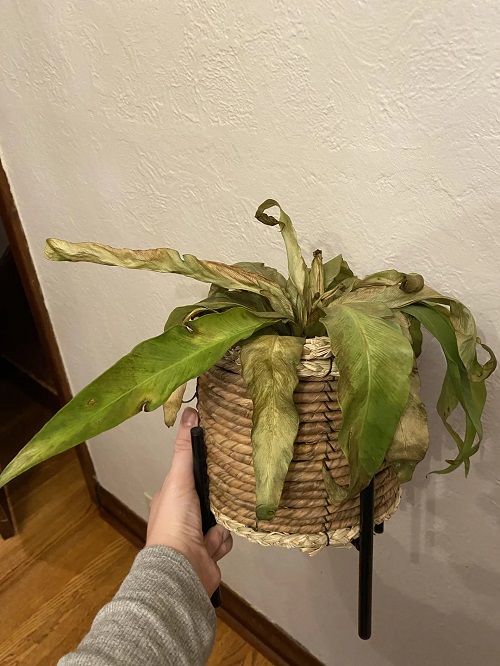
Having to look at the lifeless foliage of your houseplants after all your best efforts can be disappointing. But here is some good news: dried-up doesn’t necessarily mean it’s dead! It may just be waiting for your help to bounce back. So, here we bring you a complete guide to turn your parched plants lush again without repotting.
Check out our Amazon Gardening Storefront for moisture meters, pruning tools, and other plant-care essentials to help you bring your struggling houseplant back to health.
Is Your Houseplant Actually Dying?
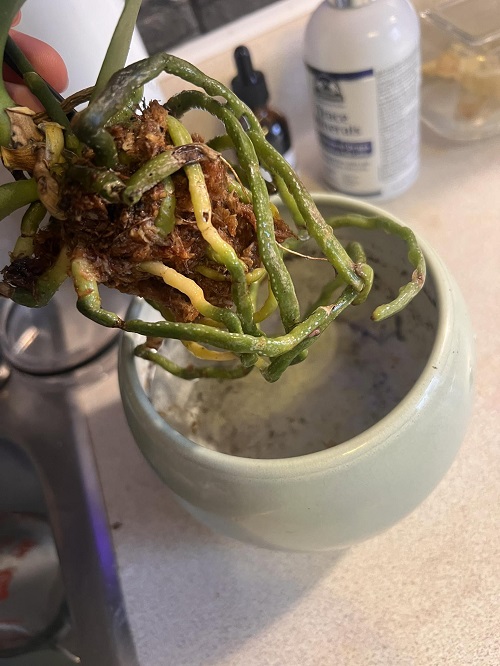
Before you plan a rescue operation on your houseplant, it is essential to check if there is still life beneath all those brown and crispy leaves.
Scratch Test
All you need to do is scrape your stem base with a garden knife. If you find green tissue beneath the crust, then good news – your plant is very much alive!
Root Test
Roots are the heart of a plant, and as long as they thrive, the plant survives. Gently pull out a few root strands and check for color and firmness. If your roots have white-to-yellow tips and are firm with no browning (which means no rotting!) Your plant has hopes of survival.
Stem Test
Lastly, go for a snap test. Bend your stem to see if it snaps with a brittle sound or just bends flexibly. A snappy, brittle stem points to dead growth, but no worries—you can still revive a houseplant if its lower roots and crown are still alive.
Want your gardening gear delivered fast? Try Prime for free, if eligible, and get your plant essentials shipped in a snap!
How to Revive a Completely Dry Houseplant Without Repotting?
Reviving a completely dry houseplant doesn’t always require repotting, as simple adjustments to its care routine can sometimes be the best solution. Once you make sure your houseplant is alive, proceed with this simple step-by-step guide to save it.
1. Change Your Watering Ways
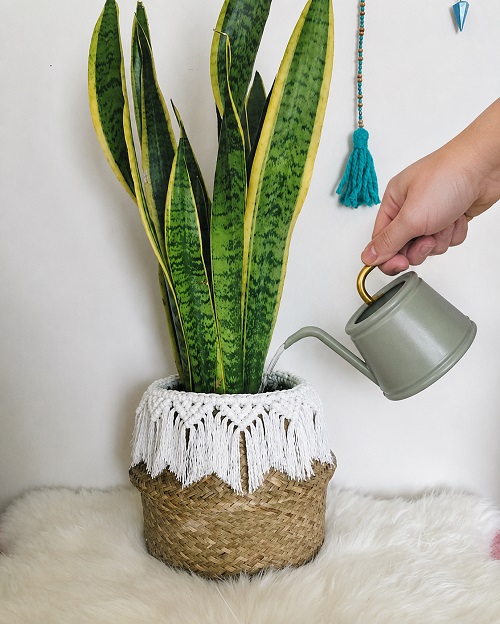
Before you treat your plant, take a quick peek at the soil—chances are, it’s your watering schedule that needs to be fixed, and not the plant itself.
Over-watering: It leaves plant roots with very little airspace to breathe. If your soil appears soggy, that’s a red flag.
The fix: Immediately say goodbye to your watering can for a few days, and only water when the topsoil dries out.
Under-watering: It can turn your potting mixture hydrophobic. Water ends up seeping right down the sides, meaning all those watering sessions were basically for nothing because the roots never got a drop!
The fix: Instead of just drizzling water over the top, try bottom-watering. Just pop your plant pot into a tub of water for 20 to 30 minutes. It lets the soil loosen up and gives your roots a chance to finally get a really good drink!
Tired of playing the guessing game with your watering schedule? Check out this top-rated soil moisture meter on Amazon to know exactly when your roots need a drink.
2. Cut The Dead Ends
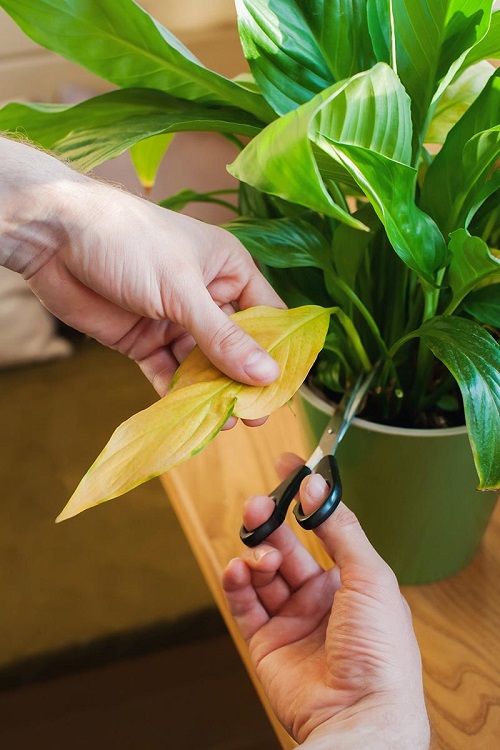
All those browning leaves and twigs drain your plant’s energy, so it’s time for a plant haircut! Pick up some disinfected shears and trim away all the lifeless leaves, twigs, and stems. Now your plant can focus its energy on new growth instead of trying to save the dying parts. Get professional garden shears on our storefront to give your plant the ultimate refresh.
3. Fix The Lighting
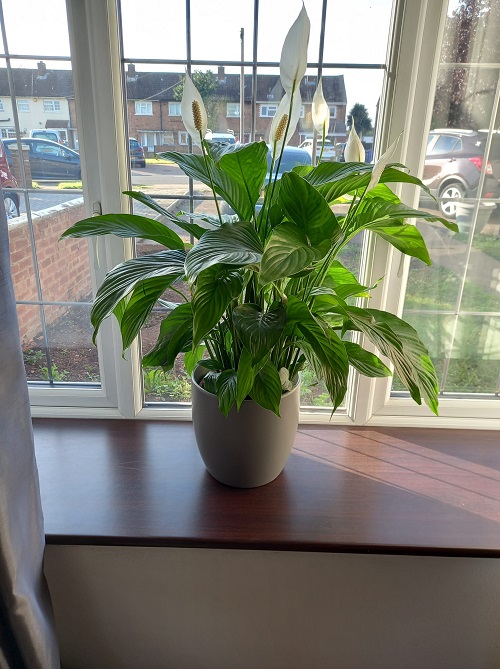
Sunlight is indeed an essential element for plants, but harsh rays can be fatal for a recovering plant. Opt for bright, indirect lighting spots to keep scorching sun rays away while it heals.
4. Fine-Tune Humidity Levels
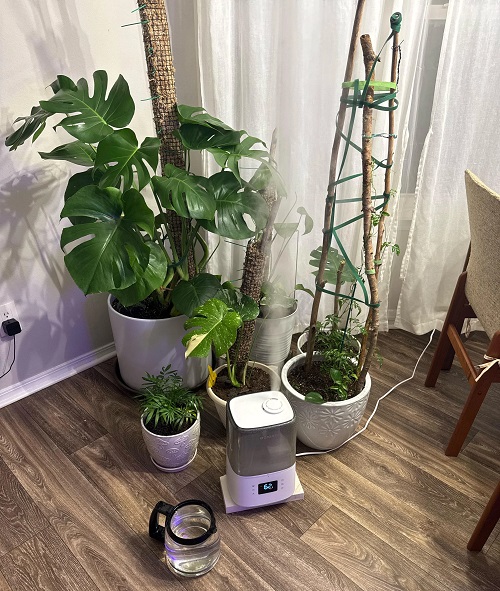
Many popular houseplants (like Monsteras) love a little extra air moisture to thrive. Propping your plants up close together is an easy trick to naturally build a more humid microclimate around them.
Elevate your garden time with unlimited offline music. Try Amazon Music Unlimited free for 30 days to take your favorite albums straight into the backyard
Is Your Houseplant Reviving?
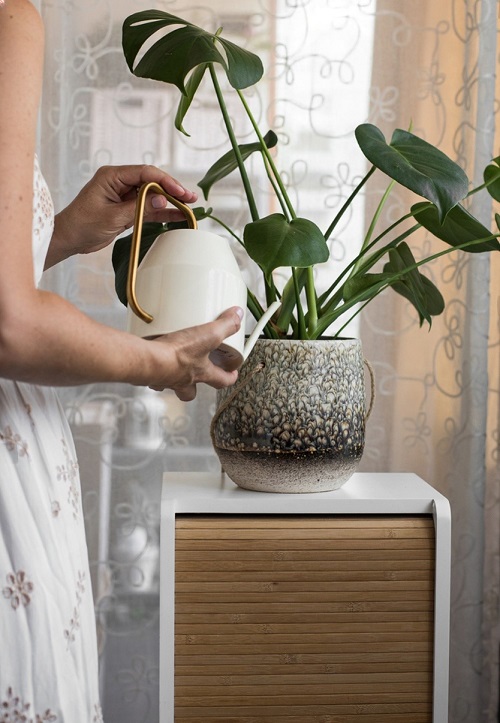
Once you finish the treatment process, be patient for two to four weeks. Any signs of new foliage growth, green shoots, or perky leaves is a great sign that your plant is making a comeback!
Reviving a dried-up plant doesn’t always demand major effort like repotting, as a few simple tricks for soil, watering, and pruning, can help your houseplant bounce right back. Time to jump in and get your plants happy and thriving again!
Never kill another houseplant: Keep this comprehensive rescue manual on your shelf for every plant emergency. Grab your copy of “How Not to Kill Your Houseplant New Edition: Survival Tips for the Horticulturally Challenged”