
As an Amazon Associate, we earn a small commission from qualifying purchases — at no extra cost to you.
Is your watering can stirring up houseplant drama? Learn what happens when plant leaves get wet, plus watering hacks to keep them happy!
If you regularly mist your houseplants and think it will keep their glossy leaves looking their best, you may be wrong! While occasional intentional showers can help with certain plant issues, they can also invite many diseases and disorders. Read on to learn what happens when plant leaves get wet so you can make the right plant care decision.
Ready to Upgrade Your Plant Care Routine? Check out our handpicked Amazon Gardening Essentials Storefront for the best misters, watering cans, and gentle plant-cleaning tools to keep your indoor jungle thriving safely!
Why Wetting Plant Leaves Is a Double-Edged Sword
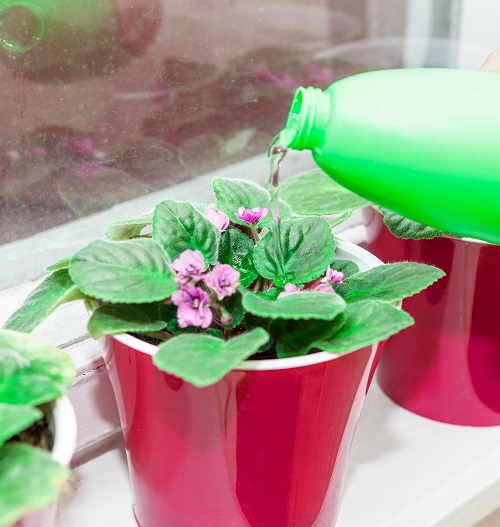
Most plant parents think that showering plant foliage is an act of love, but it isn’t always!
Roots are the primary water absorbers and have specialized tissues that pull in moisture and nutrients. In contrast, leaves are food makers and bear stomata—the plant’s primary breathing systems. Dumping water directly on the leaves can damage these delicate breathing pores and is the perfect invitation for many diseases and disorders.
Interestingly, there are certain benefits, and wetting leaves can be a good defense when dealing with certain pests and plant problems. Read on to learn when to wet your plants’ leaves and when not to.
Want to avoid hidden watering blunders? Check out our guide, The Silent Mistakes That Slowly Kill Succulent Plants, to keep your collection safe and thriving!
What Happens When Plant Leaves Get Wet (Pros)
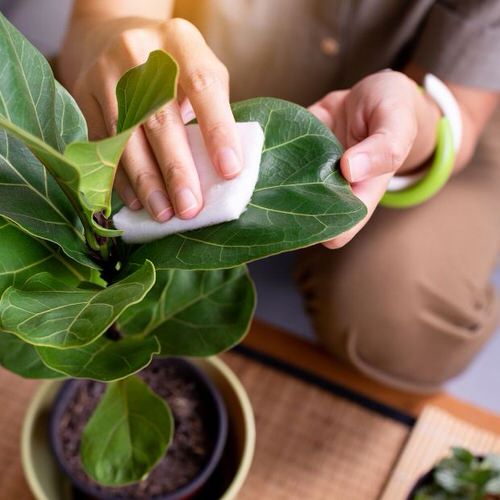
Wash Away Dust: Houseplants usually catch dust on their glossy leaves. A quick shower and a wipe-down can help them photosynthesize better.
Knock Off Pests: A water rinse can knock off many sap-sucking pests like spider mites and aphids. However, follow up with a quick cleanup using towels or neem-oil-infused plant cleaning wipes to prevent clogged leaf pores.
Foliar Feeding: For stressed roots, foliar feeding offers an excellent way to deliver quick nutrients to plants. However, remember that roots are always the primary source of nutrient uptake.
Want to Keep Foliage Clean Without the Risk? Upgrade your plant care kit with a gentle, continuous fine mist watering spray to hydrate your plants safely without soaking their delicate breathing pores!
What Happens When Plant Leaves Get Wet (Cons)
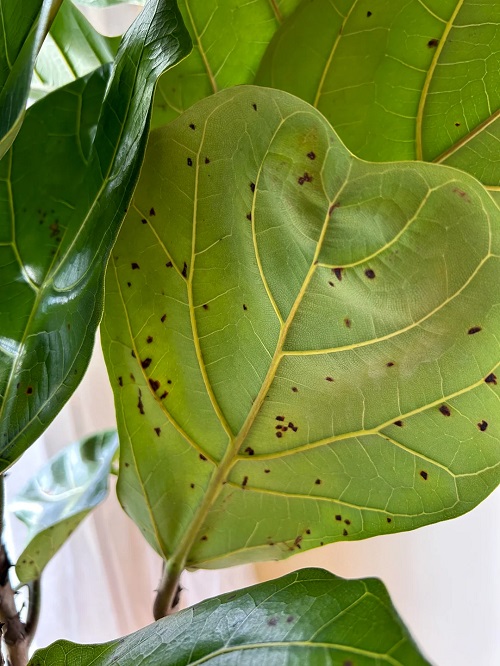
Fungal Spores: Many fungi need moisture to germinate, and wet leaves provide the perfect landing spot for fungal spores to grow and infect. If pests are bothering your indoor jungle, grab a bottle of organic neem oil spray to deter them safely.
Bacterial Spores: Bacteria heavily rely on water splashes to move around plants, and they multiply rapidly in wet foliage. As natural pores open due to moisture, they create a direct pathway for infectious bacteria to enter the plant.
Stomatal Invasion: Standing water on leaves can interfere with gas exchange through the stomata, disrupting natural plant processes like respiration and transpiration.
Sun Scorching: Water droplets on leaves act as magnifying lenses, focusing intense sun rays onto specific spots and causing blisters and sunburns.
Calcium Spots: When hard water evaporates, calcium deposits settle on the leaves, leaving visible spots and potentially affecting the leaf’s appearance.
Ready to Score Unbeatable Deals? Explore the Amazon Haul Storefront to discover cozy home decor and clever plant accessories starting at just $2.99—all backed by Amazon’s trusted guarantee!
The Best Way to Water Plants
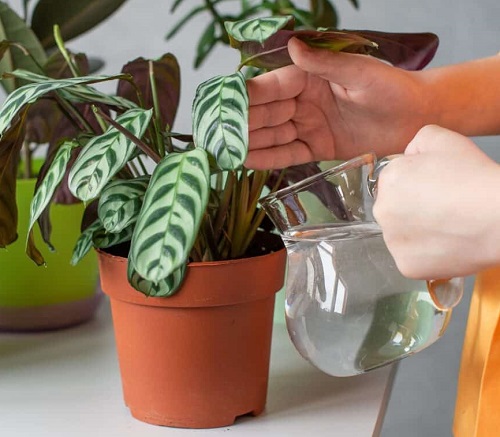
Water at Soil Level: Unless your plants have lingering dust or pests, direct your watering spout toward the root zone to keep the foliage completely dry.
Water at the Right Time: Water early in the morning so bright light and warm air can evaporate any accidental spill on the leaves.
Provide Balanced Aeration: Keep your indoor space well-ventilated so any standing water on the leaves can evaporate quickly.
Watering plant leaves isn’t all evil. While it can open the door to pests and disorders, rinsing helps with some plant concerns. We hope our simple care guide on the pros and cons of wet leaves helps you make an informed decision and keeps your indoor space thriving with lush green leaves.
Ready to Master Your Indoor Jungle? Dive into our ultimate Houseplant Guidebook for step-by-step care routines and troubleshooting secrets to keep every leaf on your plants thriving!