
As an Amazon Associate, we earn a small commission from qualifying purchases — at no extra cost to you.
Is your fishbone cactus looking flat and lifeless? Read this ahead of time to have no more dullness but only fullness from now onwards.
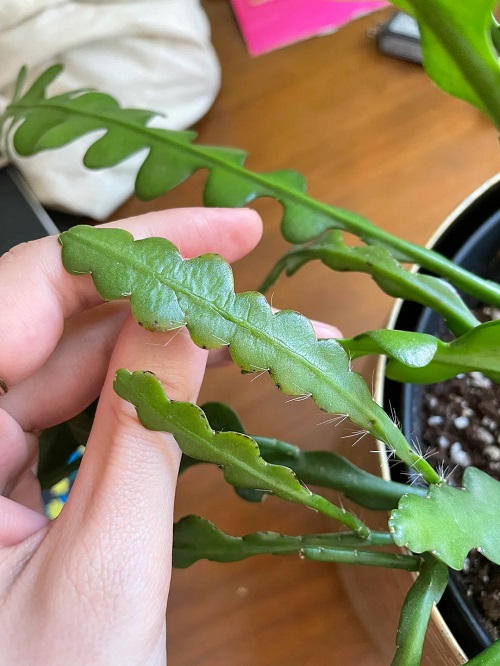
You brought home a fishbone cactus with those stunning zig-zag leaves; it is the kind that instantly makes a space feel aesthetic and Pinterest-worthy. For a while, it looked perfect. But now? The leaves seem limp and flat, and there is just sadness around. Hear what the fishbone cactus is trying to tell you!
Something is Wrong with your Fishbone Cactus, but what?
Some leaves start to lose their firm, slightly plump structure. They begin to feel thinner, softer. Maybe they even start drooping awkwardly instead of holding their shape. You water it a bit more, thinking it’s thirsty. A few days later, it looks worse, and the blooms? Out of question.
1. Overwatering is the Villain
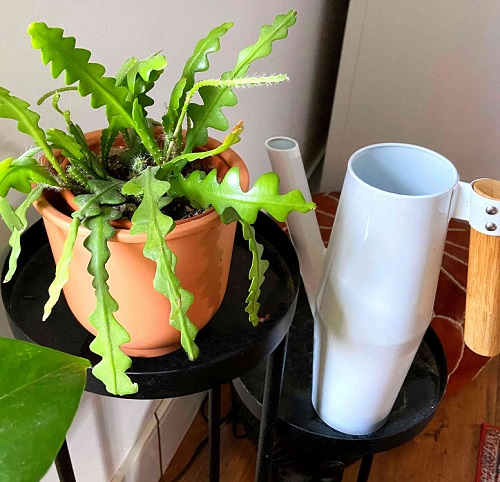
Keeping the soil too wet is the biggest mistake, making it dull and lifeless. The roots will begin to rot if they are exposed to moisture for a prolonged period. This means the plant will not be able to take in water and nutrients properly. If you notice the stems being soft and mushy, leaves turning yellow, and soil remaining wet for several days, that is a signal for you to cease watering.
2. Underwatering is the Silent Killer
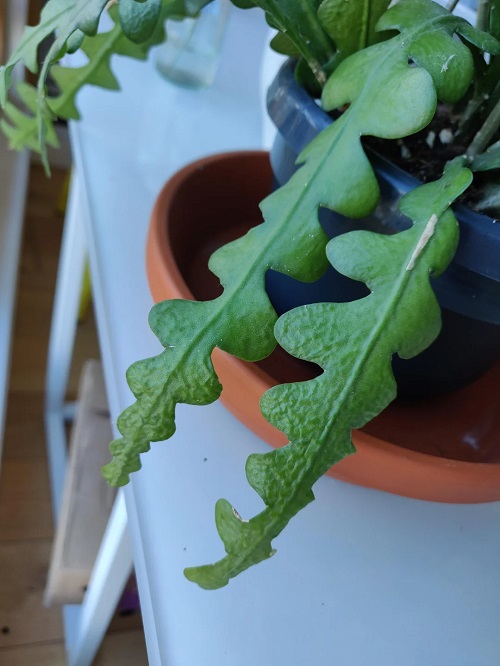
If you’ve been neglecting your plant, it might simply be thirsty. A dehydrated fishbone cactus will lose its plumpness and start looking thin and wrinkled, almost like it’s struggling for life. Stick your finger into the soil. If it’s completely dry and has been for a while, your plant is asking for water.
3. Lighting Issues
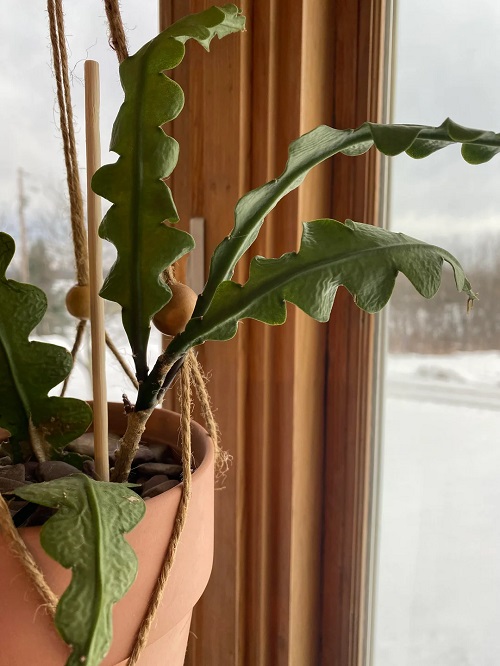
This plant doesn’t like extremes. Too much harsh sunlight makes the leaves get stressed, faded, and weak. And too little light causes the growth to slow down, and the plant loses structure. Fishbone cacti thrive in bright, indirect light. So place it near a window, but not directly under the harsh sun.
4. Poor Drainage
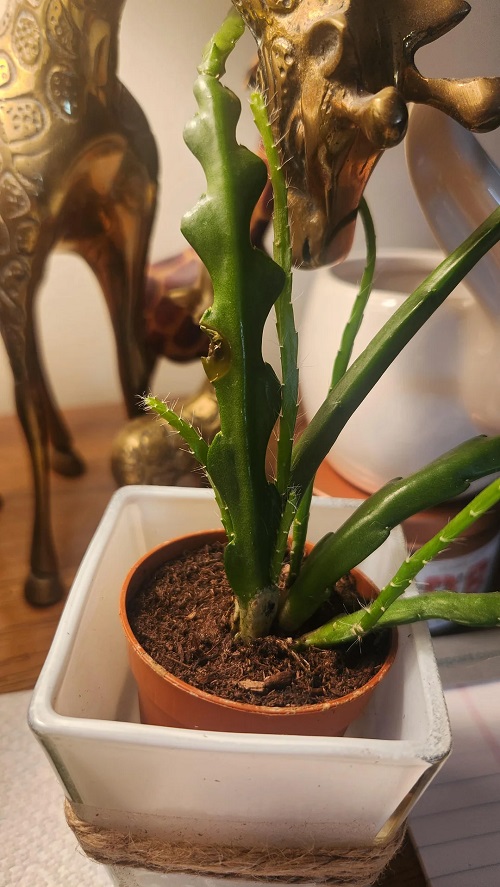
Sometimes, it’s not about how much you water, but where that water goes. If your pot doesn’t have proper drainage, water collects at the bottom, suffocating the roots. This creates the same symptoms as overwatering, even if you have been watering cautiously.
Terracotta pots can also help because they absorb extra moisture faster than plastic pots, keeping the roots healthier.
5. Lack of Nutrients
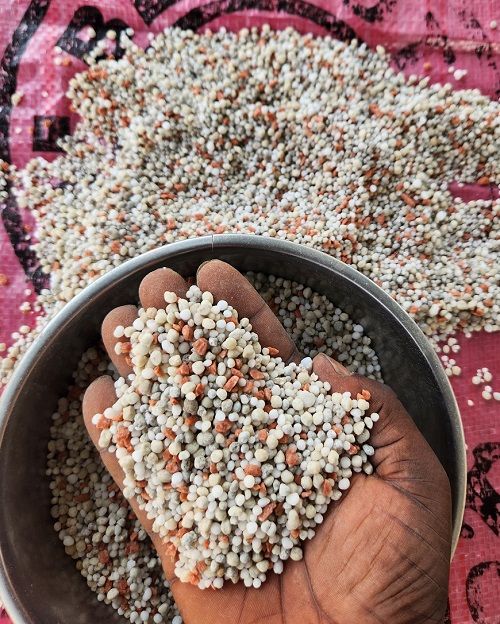
If your plant has been in the same soil for a long time, it might just be exhausted. Flat, lifeless growth can also mean it’s not getting enough nutrients to maintain its structure. A simple monthly fertilizer during the growing season can make a visible difference in their growth.
6. Humidity Matters Too
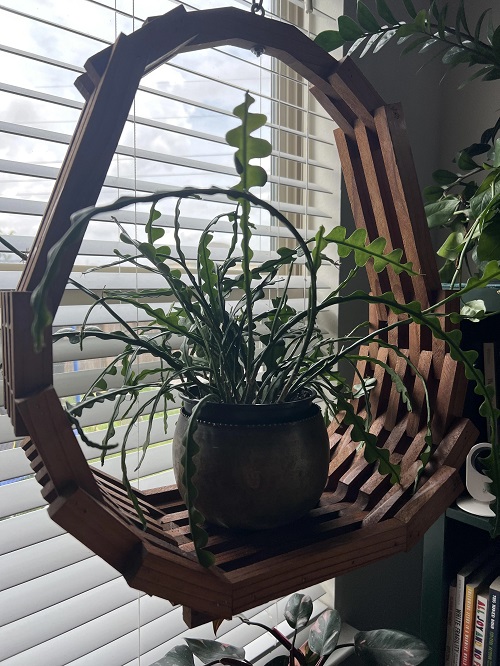
Fishbone cactus is originally an epiphytic cactus, which means it naturally grows in more humid environments compared to desert cacti. If your indoor air is extremely dry, the leaves may start looking weak or floppy. Keeping it near other plants or occasionally increasing humidity around it can help it stay healthier and fuller.
7. How to Bring It Back to Life?
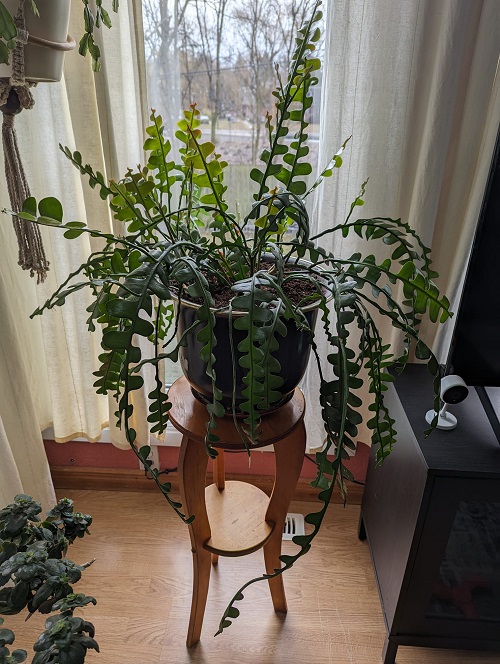
Wait for the soil to dry before watering the plant, and ensure there are drainage holes in the pot. Keep it under bright, indirect light and remove any decayed or dead parts.
Consider repotting if the soil appears compact or old. After some weeks, you may observe some slight changes, such as stronger leaves, improved shape, and new growth. However, you must be patient in this case, mate!
A flat, lifeless fishbone cactus isn’t a failure; it’s feedback. And now that you have the feedback and the correction tips, the space is all yours to protect your little buddy. Let us know how your cactus reacted to these, in the comments below! And hey, try sustainable alternatives to grow these babies.