
As an Amazon Associate, we earn a small commission from qualifying purchases — at no extra cost to you.
Is your peace lily refusing to bloom after repotting? What if we say it’s not something permanent but something that we can help you reverse?
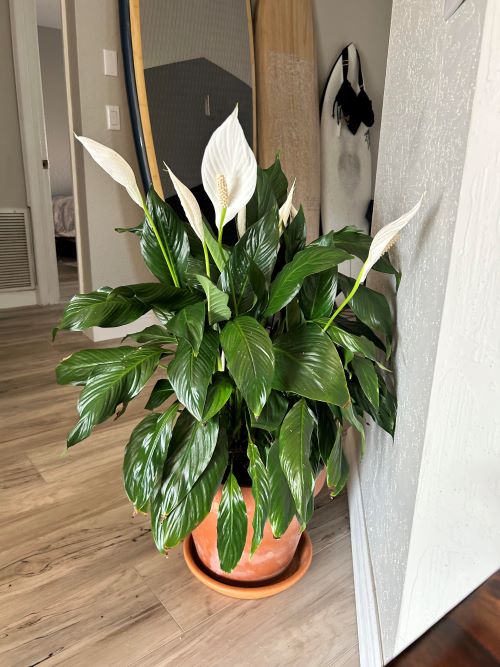
One day, your peace lily is giving a stellar show, and the next, after a few weeks, you notice that repotting made it all go away. The leaves might still look healthy, but what about the appearance? Relax, it is not dead. It has stopped blooming because it is surviving, and after survival comes a beautiful new rejuvenation.
We are with you in this journey of blooming our peace lilies together, which is why we have our Amazon Gardening Storefront for all your essential needs.
Why Peace Lily Stops Blooming After Repotting
Let us take some time to understand repotting. We consider it a new life because of the new soil, more space, and better nutrients. But from our peace lily’s perspective, repotting can feel more like moving houses after staying in the same house its entire life. Of course, it’ll be emotionally attached.
When roots are disturbed, broken, or suddenly placed in a completely new environment, the plant experiences stress. We may not notice it immediately, but the peace lily will show it eventually. Instead of investing energy into producing flowers, it redirects resources towards rebuilding its root system and adapting to its new home.
The delightful news is that this is completely normal. Most healthy peace lilies start blooming again once they have settled into their new pot and resumed active growth.
Why Blooming Stop After Repotting?
1. Root Recovery takes Priority
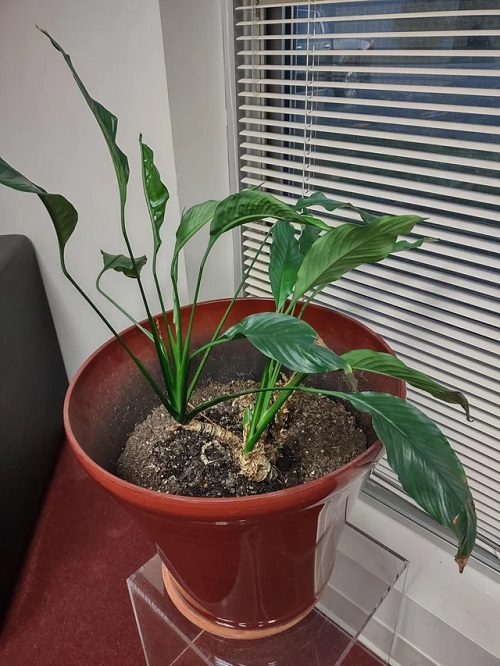
Flowers require a tremendous amount of energy. After repotting, the plant’s first mission is to establish healthy roots. Until the roots settle and begin absorbing water and nutrients, flowering is no longer the driver. The recovery period can last from a few weeks to several months.
2. The Pot Might Be Too Large
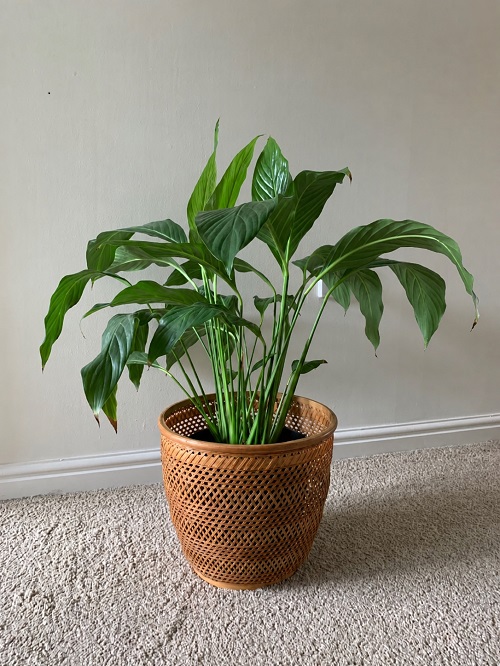
This is one of the most common mistakes. When a peace lily is moved into a new pot that is significantly larger than the previous one, it often focuses on filling the extra space with roots. As long as the plant is investing energy below the soil, bloom production above the soil slows down.
Ideally, choose a pot that is only 1–2 inches larger than the current root ball. A slightly larger pot gives the roots room to grow without encouraging excessive root growth at the expense of flowers.
Not sure if your current pot is the right size? These drainage-friendly indoor plant pots are designed to support healthy root growth without overwhelming your peace lily.
3. Changes in Light Conditions
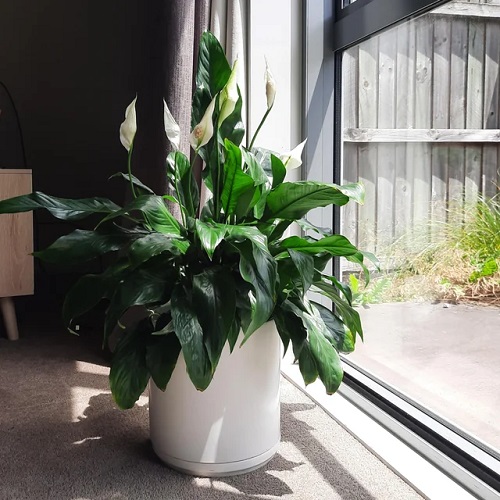
Sometimes the issue might be beyond repotting. After repotting, many people relocate their plant to a different spot. Even a small reduction in light can affect flowering. Peace lilies tolerate low light well, but blooming is another story. To produce flowers consistently, they need bright, indirect light.
Struggling to provide enough sunlight indoors? A full-spectrum grow light will rescue you from this trouble because it encourages strong, upright growth and can make training easier.
4. Nutrient Imbalance
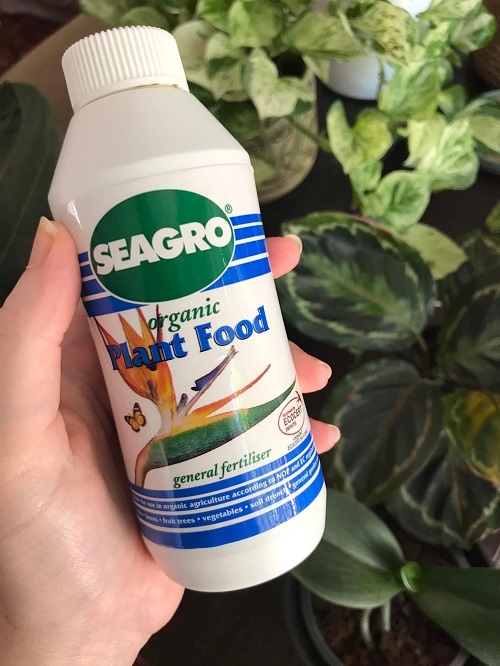
Fresh potting mix contains nutrients, but not always in the right balance. An excess of nitrogen encourages lush green foliage while reducing flower production. If your peace lily suddenly develops lots of leaves but no blooms, it might be getting an excess of nitrogen.
If you want to give your peace lily the best chance to bloom again, then a balanced houseplant fertilizer can provide the nutrients your plant needs once it has recovered from repotting.
5. Repotting Shock
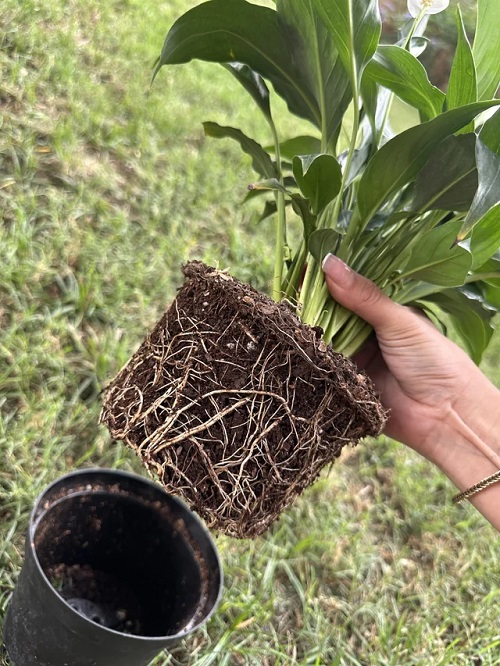
Even when done carefully, repotting can trigger temporary shock. You may find slowed growth, drooping leaves, or the complete absence of flowers. Fortunately, this is usually temporary. Take care of your plant, and you’ll see it recover naturally.
Avoid repotting your peace lily more often than necessary. Most plants only need repotting every 2–3 years or when the roots begin growing out of the drainage holes. Frequent repotting can cause repeated stress and delay flowering even longer.
6. How to Get More Blooms?
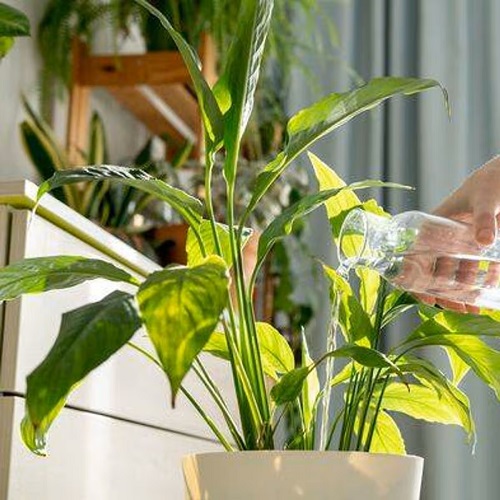
If your peace lily has stopped flowering after repotting, then panic won’t solve it. Relax and provide it with bright, indirect light. Water when the top inch of the soil feels dry. Avoid overfertilizing and maintain moderate humidity. The temperature should be between 18°C and 29°C. And most importantly, be patient.
If your peace lily has healthy leaves but still isn’t blooming after several months, try moving it to a slightly brighter location. A little extra indirect light is often enough to encourage flower production.
Ironically, if a peace lily stops blooming after repotting, then we have done it right. The missing flowers aren’t a sign of something going wrong but simply evidence of what matters most: building roots and preparing for future growth. Rest assured, you can comment and let us know anytime if anything is troubling your peace lily.