
As an Amazon Associate, we earn a small commission from qualifying purchases — at no extra cost to you.
Is your plant calling it quits every other day? Master plant rescue before-and-after transformations to bring your droopy divas back to life!
Tired of your houseplants dramatically drooping overnight? Don’t give up—they are just begging for a plant care routine reset. So before you plan to toss them out, try our revival guide and give your plants a second chance at life. Discover 8 quick rescue guides to pull off your own epic plant rescue before-and-after transformations!
Ready to revive your green space? Browse our top picks from the Amazon gardening essentials storefront to get all the right tools for your indoor plants.
Plant Rescue Before-and-After Transformations
1. Fix Severe Drooping & Crisping Leaves
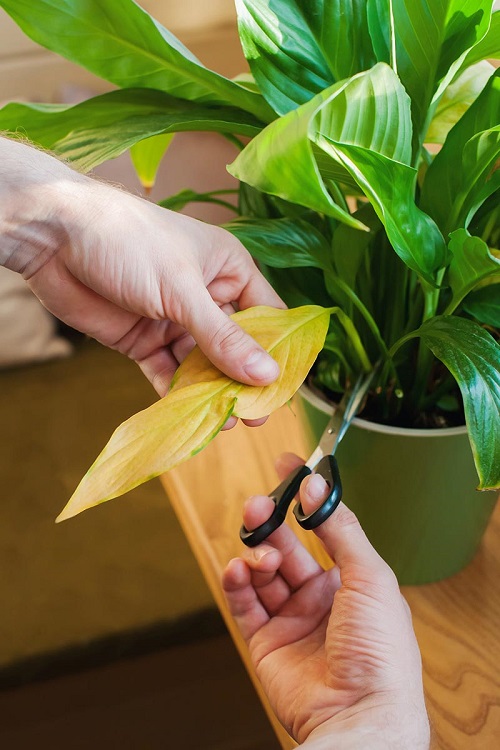
When you let soil dry out for a long time, it compacts and becomes hydrophobic (water-repellent). As a result, when you water after a long break, the water seeps down the sides without reaching the plant’s roots. Because the roots receive no water, the leaves droop and turn crisp.
Rescue tips: When plants refuse water from the top, try bottom watering instead. Place the pot in a shallow tray filled with water for about half an hour.
This allows the water to soak up through capillary action. Also, trim away crisped leaves to help the plant focus its energy on fresh, healthy tissue.
If you tend to neglect watering your plants, explore 30 easy succulents that survive drought to keep your indoor garden thriving.
2. Soft Stems & Root Rots
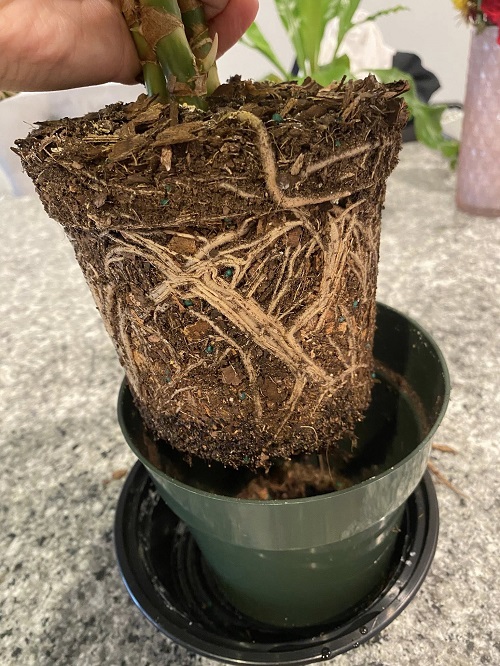
Over-watering is just as problematic as under-watering. A pot full of water is a pot with no oxygen—a perfect recipe for root rot. As a result, you may see symptoms like soft stems and mushy leaves as the roots are deprived of oxygen.
Rescue tips: Roots are the heart of the plant and require immediate rescue. Unpot the plant and trim away foul-smelling, blackened roots. Apply a fungicide to the cuts and repot it in a new pot with fresh potting mixture containing drainage-friendly materials like perlite or bark.
3. Plant Rescue from Sticky Residue & Webbing
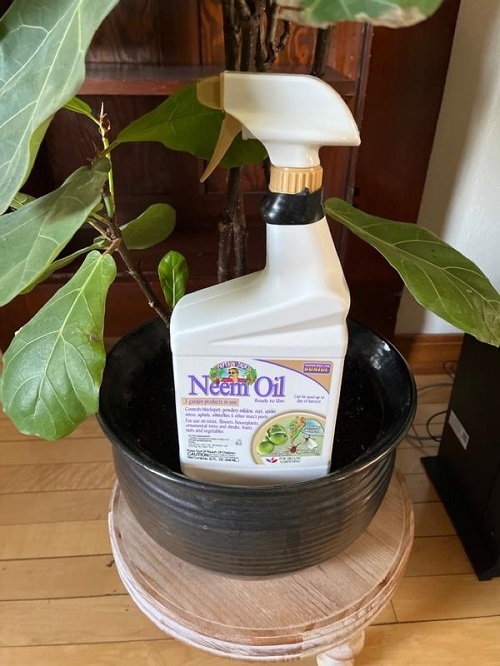
Sap-sucking insects like spider mites, mealybugs, thrips, and aphids drain a plant’s nutrients and cause yellowing, webbing, and sticky residues.
Rescue tips: Quarantine pest-infected plants, as insects can easily move from one plant to another. Rinse the plant’s foliage weekly with insecticidal soap or neem oil spray until it’s pest-free. Also, make a habit of cleaning your houseplants’ leaves regularly with a damp cloth or towel.
4. Prevent Leggy Stems
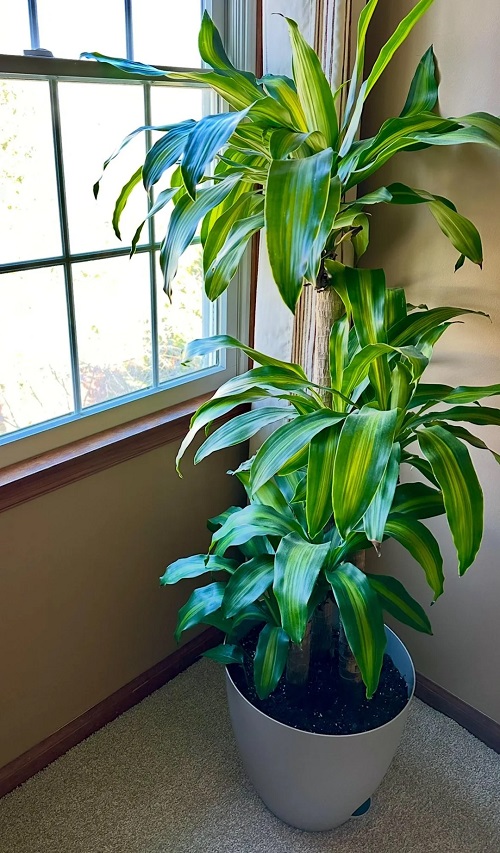
Sunlight is essential for plants. When plants lack sunlight, they expend a lot of energy growing long stems to find light, resulting in leggy stems.
Rescue tips: Prune the long stems to encourage bushier growth, and shift your pot to bright, indirect sunlight. Keep it out of harsh sun until it adapts to the new spot.
Looking for unbelievable finds on a budget? Explore Amazon Haul for trendy home decor and plant care essentials starting at just $2.99.
5. Fixing Humidity
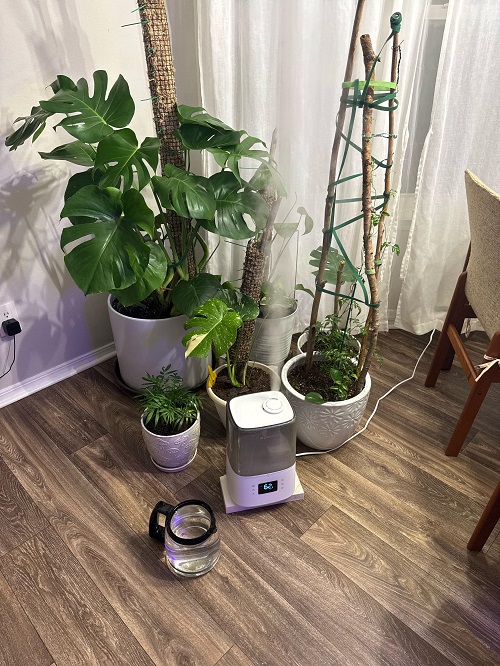
If your indoor space is low on Humidity, your plants’ leaves lose moisture faster than their roots can replace it. This leads to brown, crispy leaf tips.
Rescue tips: Use a room humidifier to create a better environment for your indoor plants. If that isn’t an option, try simple techniques like grouping plants or placing pots on pebble-water trays.
6. Rescue Rootbound Plants
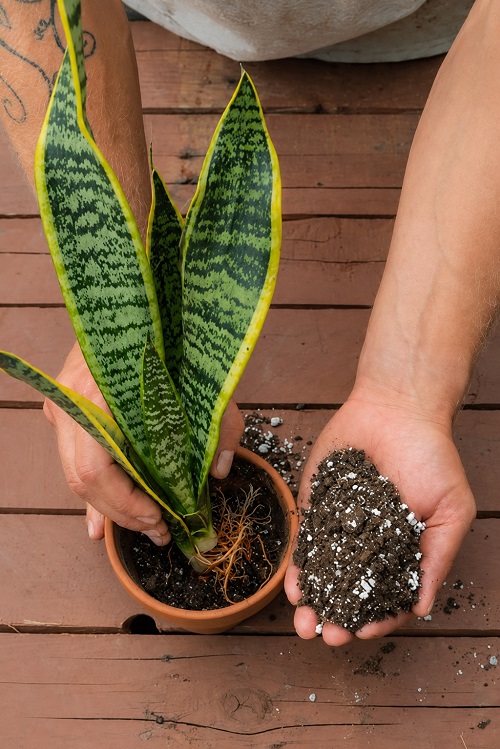
When plants’ roots overgrow their pots, they form dense mats and choke themselves in compact soil. Most of the time, you will see roots popping out of drainage holes.
Rescue tips: Time to shift your plant to a new home! Choose a pot 1–2 inches larger than the old one, and fill it with fresh potting mix and drainage materials like perlite or orchid bark.
Need a fresh home for your growing greens? Shop our favorite durable indoor plant pots and planters with optimal drainage to keep root rot at bay.
7. Plant Rescue from Sunburn
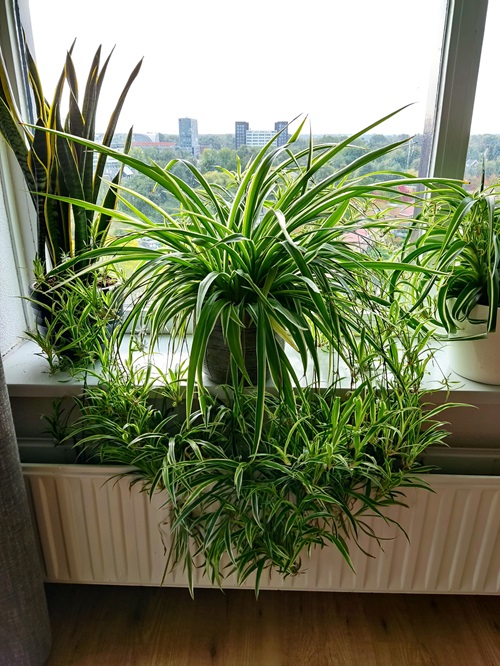
Although sunlight is essential for survival, too much of it can kill a plant. Direct, harsh rays can damage chlorophyll and cause leaves to turn brown and become scorched.
Rescue tips: Place pots in bright, indirect light and prune away scorched leaves, as they can’t recover.
8. Fix Stagnant Growth
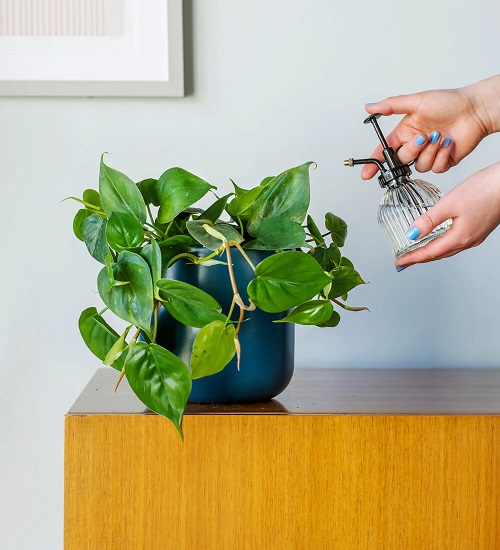
Over time, plants deplete nutrients from the potting mix. When the mix lacks essential nutrients, plants can begin to show stunted growth, even when watered regularly.
Rescue tips: Repot the plant in fresh potting mix filled with balanced nutrients. Also, fertilize non-succulent houseplants every 4–6 weeks during the growing season.
Want to give your greenery a nutrient boost? Discover the best balanced plant nutrients to keep your houseplants vibrant and thriving.
Every time your houseplant throws a droopy or brown tantrum, don’t panic! Use our 8 quick guides to turn your plants’ tragic end story into a happy and thriving one, and celebrate your very own ultimate plant rescue before-and-after transformations!
Want to become a houseplant pro? Grab our complete houseplant care guidebook for expert tips on keeping every green buddy thriving.